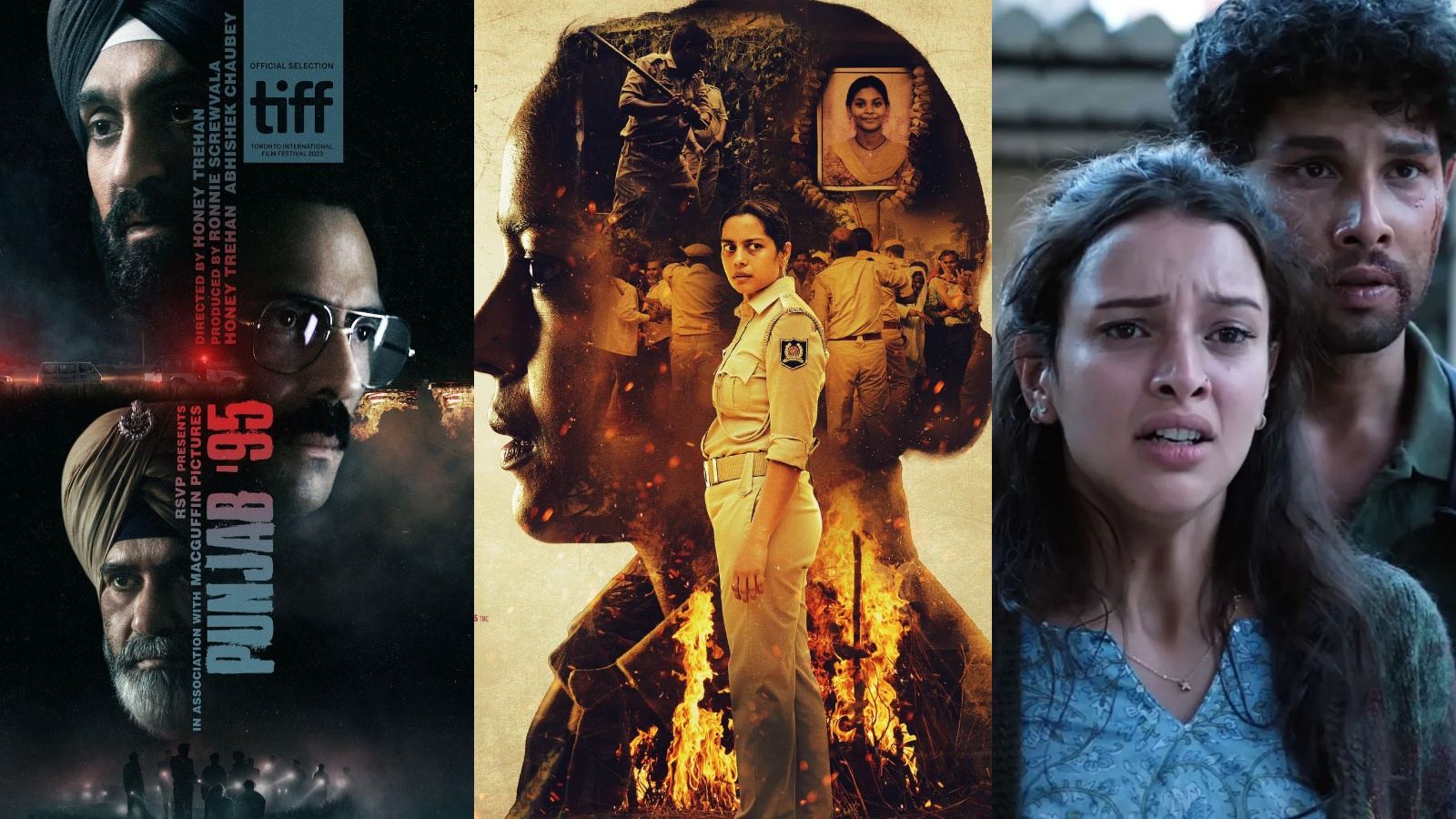
In recent years, the CBFC has intervened in several films by demanding cuts, editing scenes, and in some cases blocking releases. Many observers note that several affected films share a common theme. They explore political issues and caste realities in India.
One of the most discussed examples is Diljit Dosanjh’s Punjab 95. The film is based on human rights activist Jaswant Singh Khalra. Reports say the CBFC demanded more than 127 cuts, including removal of names, locations, references to Punjab, and even Gurbani sounds.
The film premiered at TIFF in 2023. However, three years later it is still awaiting release in India. Reports also suggest that the film underwent significant alterations during the certification process.
Another widely discussed film is Sandhya Suri’s Santosh. The thriller focuses on caste violence, police brutality, and Dalit injustice. Despite being the United Kingdom’s Oscar entry and earning a BAFTA nomination, it reportedly faced a ban in India.
The decision was reportedly based on concerns about negative portrayal of the police and caste issues. Internationally, the film received strong praise from critics and audiences.
Triptii Dimri and Siddhant Chaturvedi’s Dhadak 2 eventually reached theatres, but the path was not simple. The film is a remake of the anti caste classic Pariyerum Perumal. It reportedly underwent several cuts before being cleared.
The changes are said to have reduced some of the stronger depictions of caste discrimination. While the film released in theatres, some critics believe the impact was softened.
Another example is Da’Lit Kids, a six minute Malayalam animated short directed by Appu Soman. The film tells the story of a Dalit child standing up against humiliation. Reports say the CBFC in Mumbai blocked the film without providing a detailed explanation.
Student groups from SRFTI described the move as an attack on freedom of expression. The decision sparked discussions about how student films are treated during certification.
Prateik Gandhi and Patralekha’s Phule also faced scrutiny. The biopic focuses on social reformers Jyotirao Phule and Savitribai Phule. According to reports, the CBFC asked for multiple changes before granting certification.
The requested changes reportedly included removing certain caste terms and softening phrases such as “3000 years of slavery” to “many years”. Some scenes depicting humiliation were also altered.
Like Dhadak 2, the film was eventually released after these modifications. However, critics say the process raised concerns about how sensitive social themes are handled in cinema.
Some commentators point out that films celebrating caste pride sometimes receive tax benefits and official support. This has led to questions about why films addressing caste injustice face greater scrutiny.
For many critics, the debate is no longer only about film certification. They believe the issue reflects a broader discussion about artistic freedom and how cinema portrays uncomfortable social realities.
NTR fans are growing anxious about Trivikram’s ambitious mythological project, tentatively titled God of War,…
Team India started the T20I series against West Indies with a complete performance in Lucknow.…
