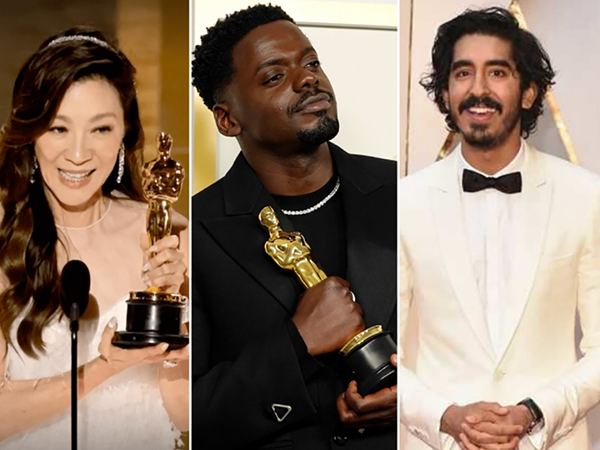
One research study analyzed 1,600 top films from 2007 to 2022, with a specific focus on the films of the past year, revealing the reality behind the facade created by Hollywood.
The past year has been promising for women leads, with 19 movies featuring underrepresented female-identified leads in the spotlight. There has also been a significant increase in Asian-centric films in recent years, with the success of “Everything Everywhere All At Once” likely to further this trend.
However, even for gender-balanced casts, only 15% of the top 100 movies in the past year achieved this, and the representation of non-binary characters dropped to just one. The LGBTQ+ community was represented in only 2% of films, a statistic that has remained largely unchanged since 2014.
Looking at those working behind the camera, over the past 16 years, 88 women have directed top-grossing movies, while 833 men have done the same. The fields of screenwriting and producing have also been predominantly male-dominated. Similarly, in terms of racial diversity, the industry has been largely led by White men. Though the involvement of female have gradually increased, the industry is still male dominated.
So, should Hollywood be criticized for these disparities?
It’s a complex issue with no simple answer. Achieving gender balance behind the camera is certainly feasible. However, achieving equality in front of the camera can be more challenging.
Hating an art because of the gender of those involved in its creation, such as hating “Monalisa” because a man painted it or disliking “Frances Ha” because a woman played the lead, is absurd. Stars are just statistics, but the entertainment industry is about more than just numbers.
Imagine if Samuel L. Jackson had not portrayed Jules Winnfield because of his race or if Christian Bale had not played Batman due to the lack of Black actors in the cast. Likewise, envision Meryl Streep not playing the role of Miranda Priestley solely for the sake of cast balance.
Cinema should be inclusive and accessible to all. However, forcing diversity as a mere gimmick can be counterproductive. In this unbalanced industry, individuals like Sharmila Tagore, Bette Davis, Bryan Cranston, Denzel Washington, and Elliot Page have always thrived, not as tokens for diversity but because they earned their rightful places. This should be the direction we aim for in the world of art as a whole.
Raaka is already shaping up to be one of the most ambitious films of Allu…
Dhanush is currently one of the busiest actors in Kollywood with multiple projects in his…

