In today’s society, debates around childhood upbringing and cultural values often reveal deeper tensions about identity, tradition, and modernity.
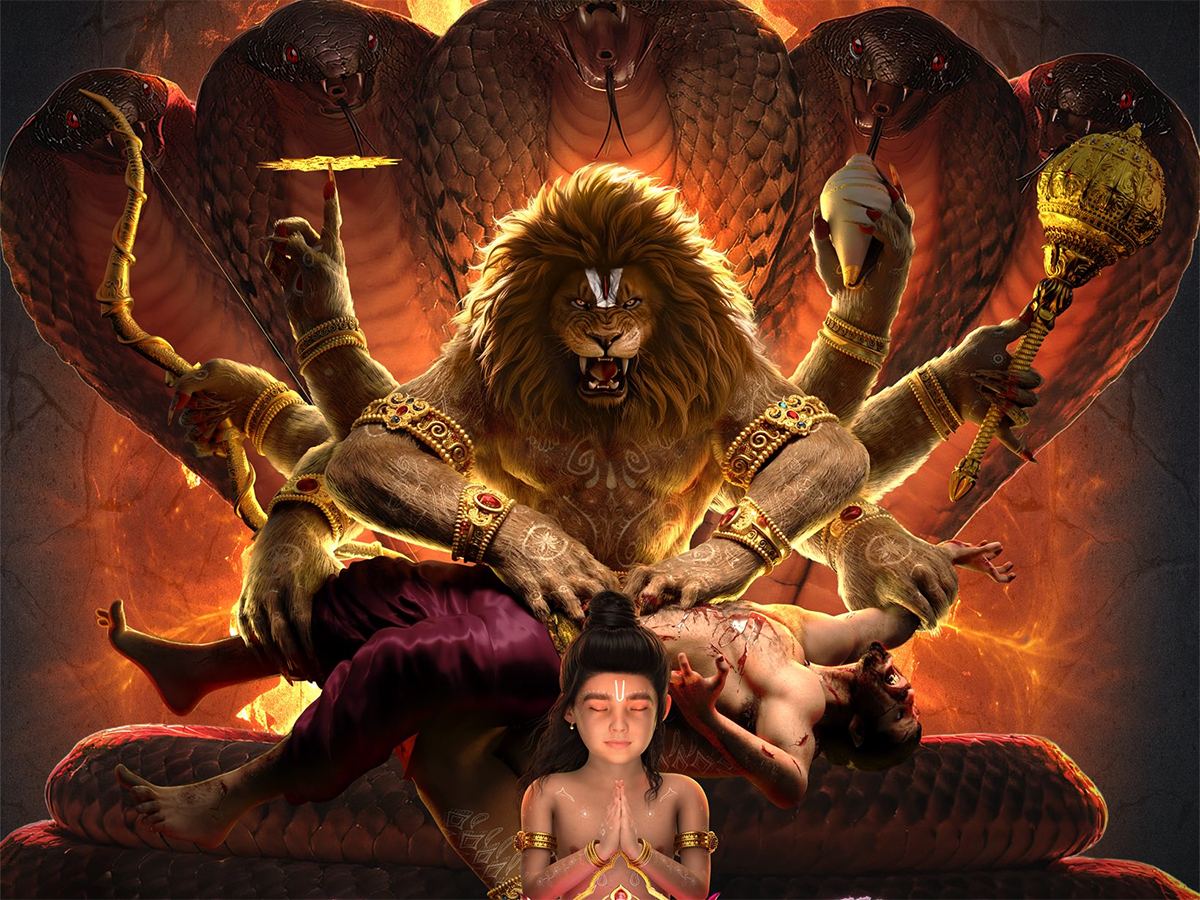
The discussion about whether children should be exposed to the violent imagery of gods, such as in the film Mahavatar Narsimha, touches on these larger concerns about resilience, cultural roots, and the impact of contemporary social trends.
The argument presented here reflects a viewpoint that traditional narratives showing divine violence are important for building mental and emotional strength in children.
The critique of so-called “woke” and liberal attitudes is that they tend to shelter children excessively, making them fragile and unprepared to face real-life challenges.
According to this perspective, elements like divine battles, harsh realities, and even exposure to cultural rituals ensure children develop a strong foundation, helping them to grow into responsible adults capable of handling adversity.
There is also a broader cultural critique about how modern society’s focus on sensitivity, protection from discomfort, and redefinition of identity—including attitudes toward gender and sexuality—is seen as weakening the natural robustness passed down through generations.
The concern is that this may lead to a generation less equipped to endure life’s difficulties, turning away from traditional values of discipline, restraint, and facing reality with courage.
While respect for children’s well-being is vital, this view underscores the importance of balancing protection with exposure to one’s cultural heritage, including its complex and sometimes violent stories.
It invites us to reflect on how tradition and progress can coexist in nurturing resilient and grounded individuals.
Vijay Deverakonda and Rashmika Mandanna visited Tirumala ahead of Ranabaali's release and offered prayers for…
The opposition’s march to the Supreme Court over voter-list revision has put the BJP in…
