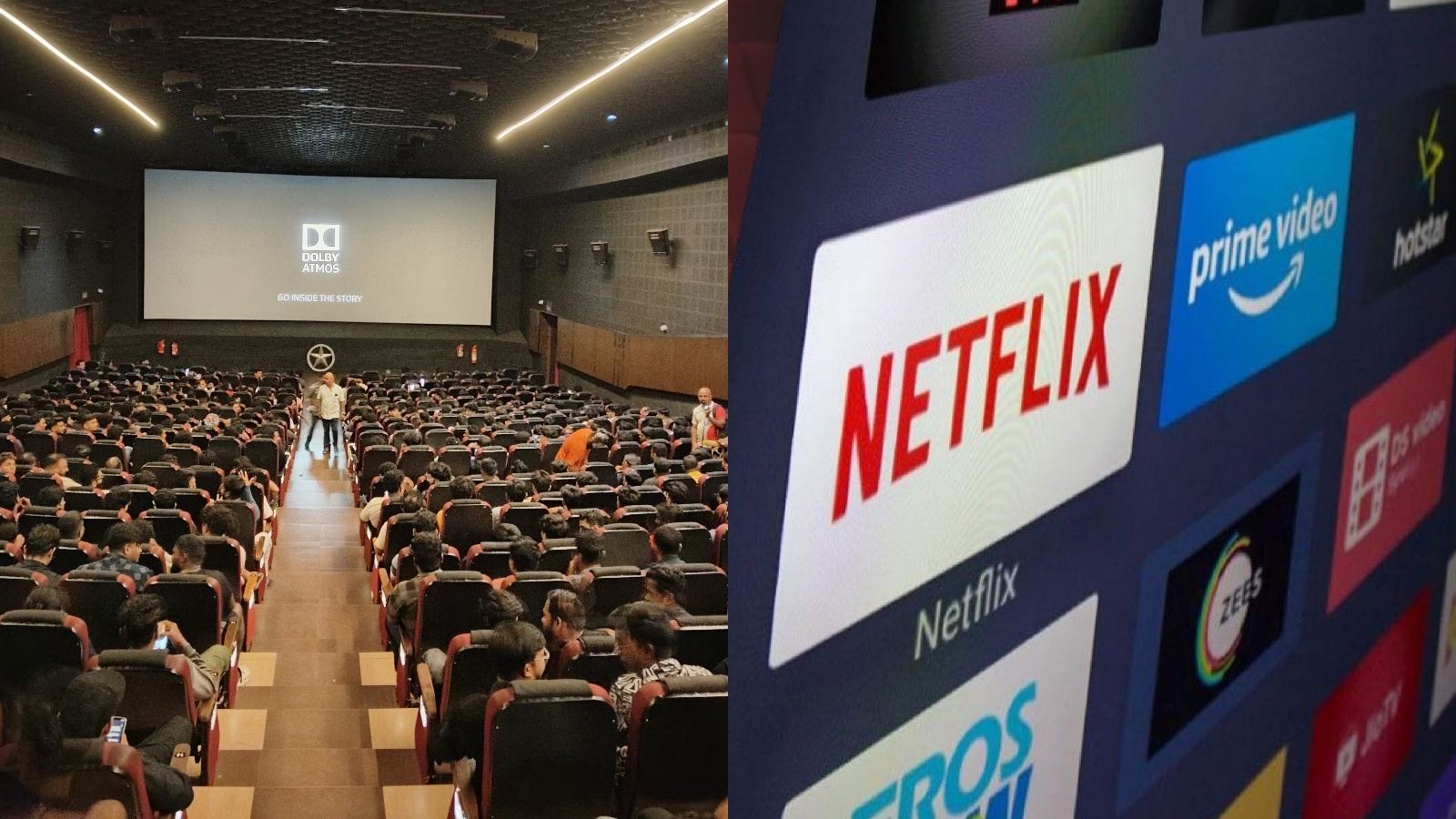
The current, biggest shift in cinema is not just about content, but about time.
A revealing moment came when Matt Damon spoke about how streaming platforms like Netflix now shape films for distracted viewers.
Scripts are specifically designed to hook audiences within minutes, repeat plot points, and survive constant interruptions.
The message is clear. Streaming is all about competing with notifications, scrolling, and second screens.
Theatrical cinema, however, is moving in the opposite direction.
Look at the biggest films in India and globally. Animal runs over three hours. Pushpa 2: The Rule crosses the three-hour mark. RRR, Avatar: The Way of Water, and Oppenheimer all follow the same pattern.
Many of you may have already watched Dhurandhar 2, a whopping 3:55 minutes!
The traditional two-hour format is quietly fading.
Longer films create something streaming cannot replicate. They demand full attention.
When someone buys a ticket, travels to a theatre, and sits through three hours without distraction, they are committing to an experience.
That commitment allows filmmakers to build deeper emotional arcs, stronger characters, and more impactful climaxes.
A short film can entertain. A long film, when it works, transforms the experience into something immersive and memorable. There is also the power of shared viewing.
Of course, length alone does not guarantee success.
Films like Adipurush and Bade Miyan Chote Miyan prove that a long runtime can amplify failure just as easily as success.
But that is the trade-off. When a long film works, it leaves a lasting cultural imprint. When it fails, the disappointment feels heavier.
One of the complaints about Ranabaali since its release has been its lengthy runtime, with…
Venkatesh and Trivikram Srinivas’ upcoming entertainer Aadarsha Kutumbam House No. 47 is slowly losing its…
