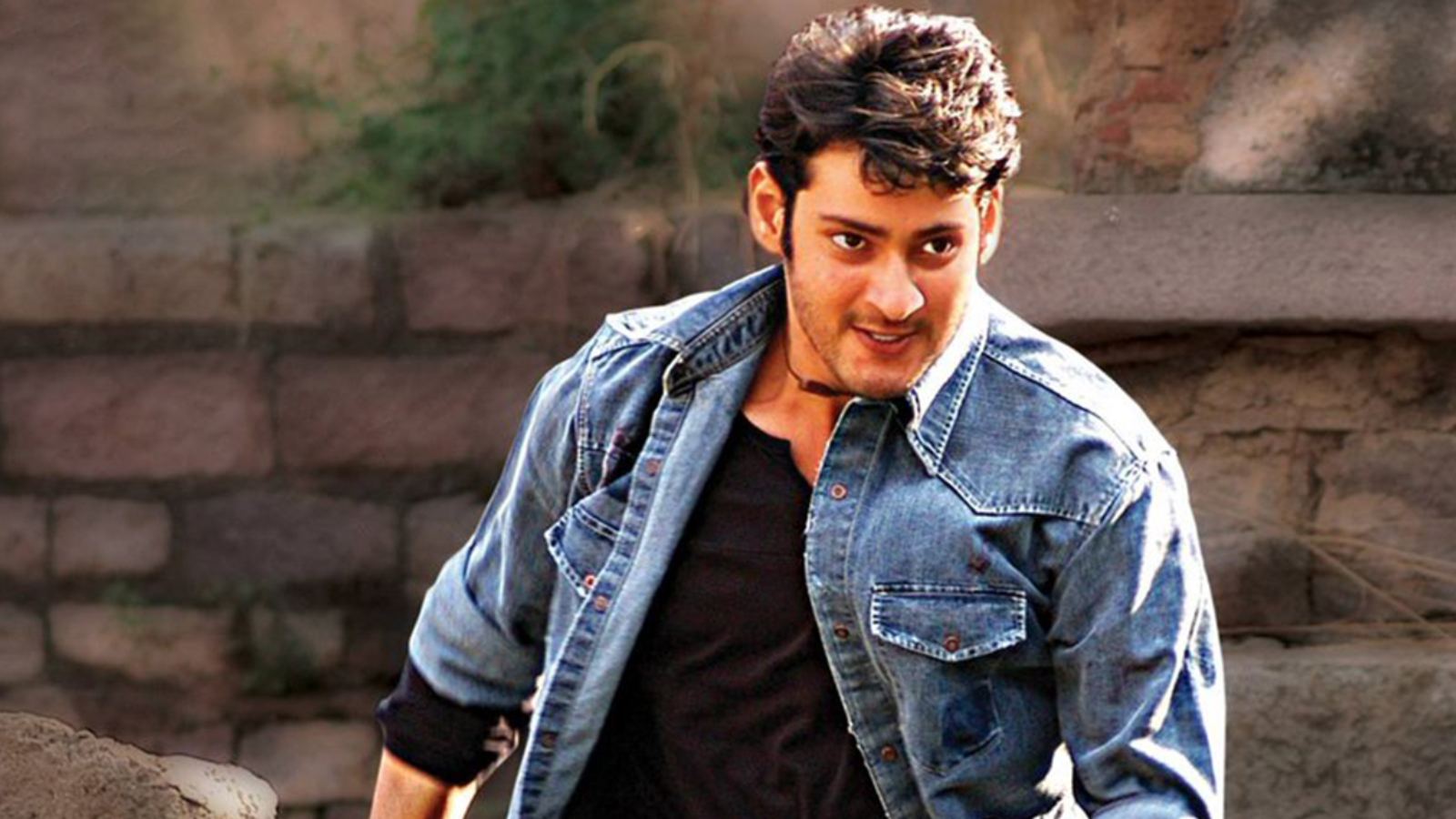
Two decades later, Pokiri isn’t just remembered, it’s still felt.
That’s rare.
Because Telugu cinema has produced bigger films since then. Grander stories, richer production values, more polished visuals. Yet, none have quite replicated the raw impact Pokiri had, and continues to have.
Which raises a simple question:
Why Pokiri?
The answer lies in something most films still struggle to achieve, perfect alignment.
At its core, Pokiri is not a complex film. The plot is straightforward, the world is familiar, and the storytelling doesn’t rely on scale. But everything around it clicks with precision. The writing by Puri is sharp and loaded with attitude. The music by Mani Sharma doesn’t just accompany the film. it amplifies its pulse.
And at the center of it all stands Mahesh Babu.
Not performing, Not trying, Just existing as Pandu.
That’s what makes Pokiri unique. It didn’t rely on exaggerated drama or forced elevation. The character’s power came from stillness, from restraint, from the way Mahesh Babu carried silence as confidently as dialogue. Moments that should have been ordinary, a walk, a glance, a pause, became electric.
Mahesh Babu in Pokiri wasn’t just acting, he was redefining screen presence itself. There’s a rare ease in the way he owns every frame, where even the simplest actions feel charged with intent. A slight smirk, a casual walk, even the way he breathes between lines, all build an aura that cannot be manufactured. He didn’t chase “mass” moments; he became the moment. That’s why audiences reacted not just to dialogues, but to his very presence. It wasn’t about what he did, it was about what he was on screen. And that kind of magnetism doesn’t come from technique alone. It comes from instinct, confidence, and a once-in-a-generation alignment with a character.
The film redefined what “mass” could look like. It proved that you don’t need elaborate setups or loud storytelling to create impact. Sometimes, all it takes is conviction, in character, in tone, in execution.
And then came the lines.
Dialogues that didn’t just become popular, they became part of pop culture. Not because they were loud, but because they landed with clarity and confidence. The now-iconic moments didn’t feel staged; they felt inevitable.
That inevitability is what remakes across industries failed to capture.
Because Pokiri was never just about structure. It was about sync between actor, director, music, and mood. You can recreate scenes. You can replicate dialogues. But you cannot reproduce that alignment.
That’s why every remake felt like an imitation, not a reincarnation.
The film didn’t just break records, it quietly influenced filmmaking grammar. It showed that minimalism, when done right, can overpower scale. It shifted how filmmakers approached heroism, tone, and pacing.
And yet, even for the people who made it, Pokiri remains unmatched.
Both the actor and the director went on to deliver bigger films, but not necessarily a better one. Because films like this don’t come from planning alone. They come from a moment, where everything aligns without force.
A once-in-a-lifetime occurrence.
Twenty years later, Pokiri stands not as nostalgia, but as a benchmark.
A reminder that cinema doesn’t always need more.
Sometimes, it just needs the right man, standing still…and owning the frame and in POKIRI, that is Mahesh Babu.
Actor Suriya has a message for students who spend too much time making reels, focus…
స్థానిక సంస్థల ఎన్నికలలో జనసేన 40 శాతం సీట్లకు పట్టుబడుతున్నట్లు మంత్రి కందుల దుర్గేష్, జనసేన ఎమ్మెల్యే బొలిశెట్టి శ్రీనివాస్…
