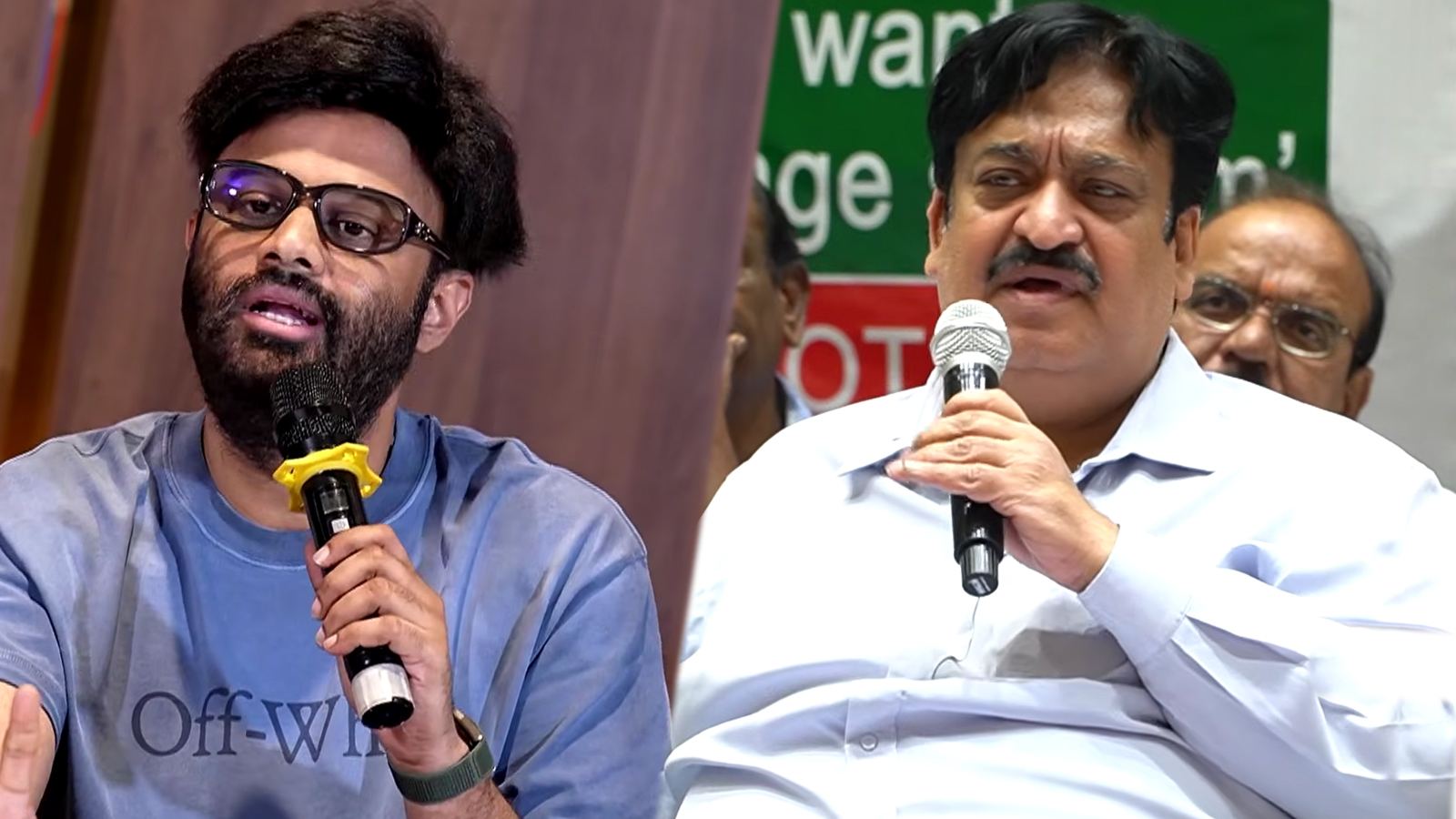
The war in Tollywood has reached a fever pitch, fueled by a specific and damaging accusation from producer Naga Vamsi. Unlike a simple revenue dispute, Vamsi’s strike was designed to paint Asian Sunil Narang as the very person destroying the industry’s traditional backbone. Vamsi’s logic is that by building multiplexes in B and C centers, Sunil isn’t expanding cinema, he’s actively strangling the life out of local single-screen theaters to monopolize the market.
This accusation flipped the script on the exhibitors’ save our screens campaign. Vamsi’s claim suggests that the big exhibitors are the ultimate predators, using their corporate muscle to replace affordable single screens with high-priced multiplexes in small towns. It was this specific traitor narrative that triggered the explosive response from Sunil Narang, moving the fight from the boardroom to the personal gutter.
The counter-response from the exhibitors group supporting Suniel Narang has been one of pure outrage. Stung by the charge that he is killing his own industry, exhibitors challenged Vamsi to point to even one multiplex he has actually built in a B or C center, essentially calling Vamsi’s claim a complete fabrication. This reality check was meant to expose Vamsi as a man who doesn’t know the ground reality of theater infrastructure, leading to the war and the petty insults that followed.
In 2026, this isn’t just about money; it’s a fight over who is the villain of Telugu cinema. By accusing Sunil of killing the grassroots, Vamsi started a fire that has now consumed professional decorum. With the destruction threats and the boycott of major films, the industry’s leaders are no longer just arguing, they are actively trying to dismantle each other’s reputations and businesses in a public, toxic meltdown.
Payal Rajput has strongly reacted to people sharing her videos and making vulgar comments about…
In a sudden development, Jailer 2 screenings at York Cinemas are set to stop from…
