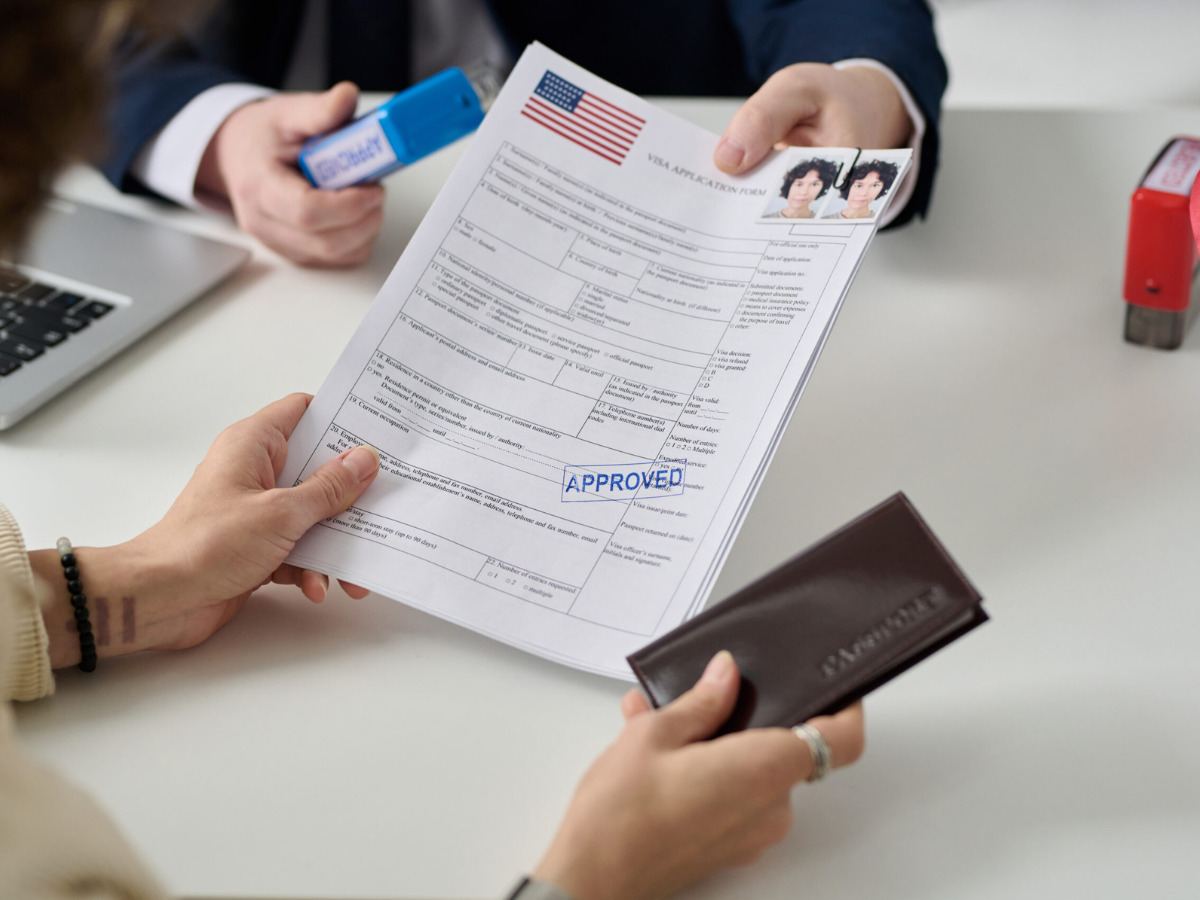
With the added social media screening for F-1 visas, a worrying new pattern is emerging at US embassies. Students report their visas being held up, delayed, or quietly denied, leaving them with more questions.
One such case recently surfaced online. A student applicant was issued a 221(g) form, usually a temporary hold for “administrative processing.” But days later, the visa was flat-out denied without reason or warning.
The student’s wife and child had already been approved, but the main applicant was left in limbo, even though they claimed to have a “clean” social media profile.
Others are facing similar confusion. Many are told to “wait,” but end up seeing their visas silently cancelled.
There’s no real appeal. Just the option to reapply, pay again, and hope someone else stamps it next time.
The visa officers can now flag your application for any online post that seems “anti-American” or “inappropriate.” But what counts as a red flag? No one knows for certain.
Student visa rejections were already on the rise before the introduction of this new rule. And ever since the US has started checking social media profiles, the officers have just gotten a new reason to reject them. Only this time it is stretched out over multiple days.
The last few weeks have been rather dry for the Indian OTT audience with not…
Virat Kohli’s Test retirement is back in the discussion, but this time, the focus is…
