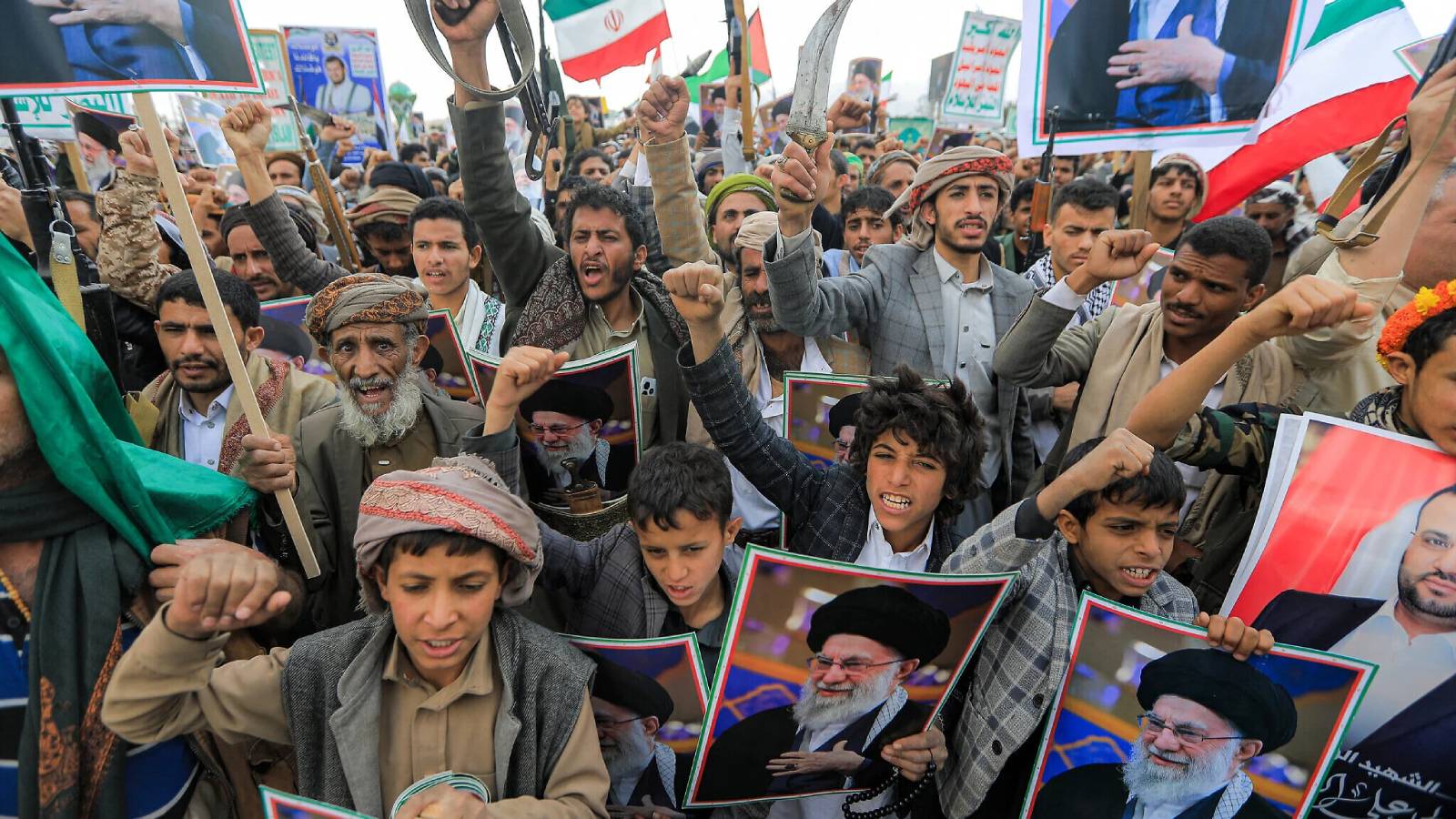
Yemen’s Houthi forces have announced their readiness to intervene in the ongoing Iranian war. They stated that they plan to support Iran against the US and Israel, raising concerns about a wider regional conflict.
The Houthis warned that they will take action if new allies join the US or if attacks occur in the Red Sea region. Their position carries weight due to their control over key maritime routes.
One such route is the Bab al-Mandab Strait, which handles nearly 6 million barrels of oil daily. Along with the Strait of Hormuz, these routes together account for over 25 million barrels of oil movement each day.
This represents nearly 25% of the global oil supply. Any disruption in these regions could have a direct impact on international energy markets and supply chains.
Social media users on X have expressed concern that this development could signal further escalation. The involvement of the Houthis may reduce the chances of de-escalation and prolong tensions in the region.
The economic effects of the conflict are already being felt worldwide. Continued escalation could push the situation towards a larger global crisis if diplomatic efforts do not gain momentum soon.
At the same time, the humanitarian impact is worsening. Reports indicate rising civilian casualties, while instability continues to spread across affected regions.
Oil markets remain highly volatile, reflecting uncertainty and risk. Without immediate efforts towards peaceful dialogue, the situation could lead to wider global instability.
An EB-2 NIW applicant took to Reddit recently to warn others about SmartImmigrant.com. The company,…
Salman Khan is undoubtedly facing a tough phase at the box office. But he has…
