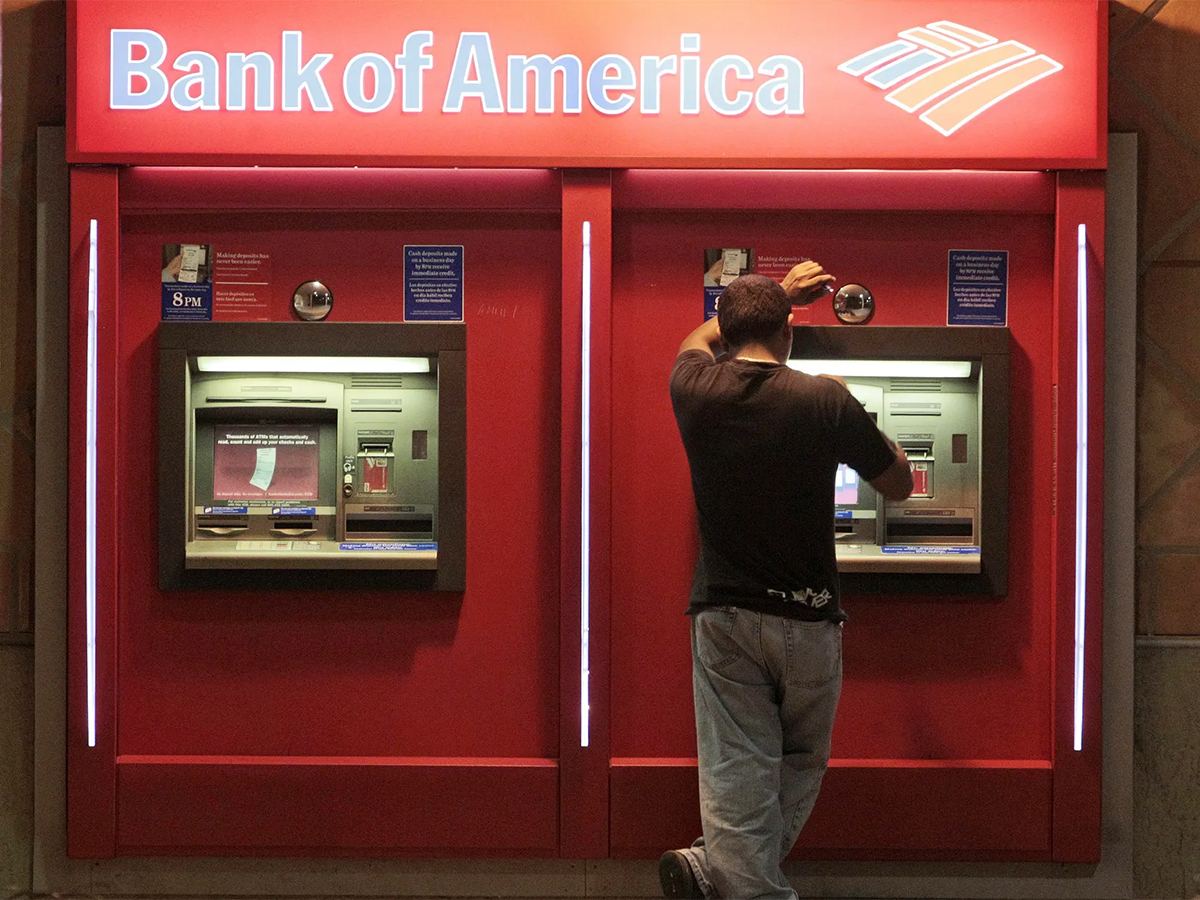
On July 7, a student in Ashburn, Virginia, made a $940 deposit at a Bank of America ATM. The machine took the cash, returned the debit card, and then just froze up. There was no receipt, no confirmation—only an error screen staring back at them.
The next morning, the student returned to the branch, hoping for some assistance. After a nearly 40-minute journey, they were simply told to call customer service.
In the days that followed, the student made several calls, each one filled with long hold times and vague answers. No one could confirm the complaint or provide any updates.
Despite asking for a confirmation email or follow-up, nothing came through. The burden of checking in was entirely on the student.
During a second call, a representative claimed there was no record of the complaint at all. If the student hadn’t saved their claim number, they would have had to start the whole process over again.
There was also no support offered to postpone an overdue credit card payment due to the missing funds. No apologies. No compensation. Not even a temporary solution.
For an international student living alone in the U.S., this was more than just a technical glitch. It meant going days without cash, all while being shuffled between numbers with no one taking responsibility.
It also raised bigger questions about how large banks treat customers who lack power or backup, especially those who don’t fit neatly into the system.
Almost a week later, the student still hasn’t seen their money. No one from the bank has reached out, and the silence just lingers.
Popular Telugu YouTuber Rama Nandana, known as Nandu of Nandu’s World, is facing fresh complaints…
Director M.S. Raju, known for bringing a distinctive sensibility to his films, is back with…
