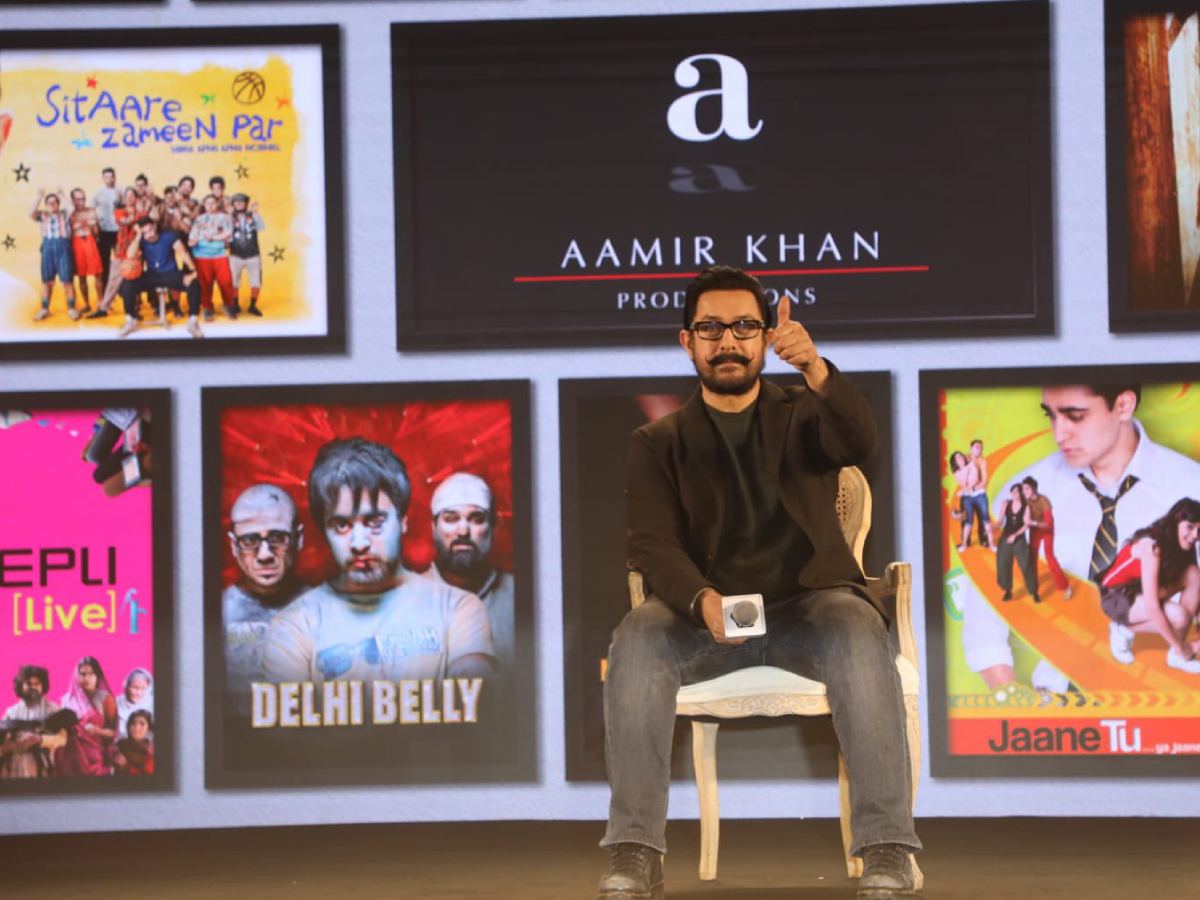
Aamir Khan’s move to release Sitaare Zameen Par on YouTube for ₹100, just 40 days after its theatrical debut, has puzzled fans and industry insiders alike. This decision clashes with his earlier promotional claims of avoiding OTT platforms to “save theaters.” Now, fans are calling out the contradiction.
According to many viewers, Aamir didn’t truly bypass OTT platforms. Instead, he switched from a subscription-based model to a pay-per-view system, which they argue still undercuts theaters. Adding to the criticism is the significantly shortened window of theatrical exclusivity—something Aamir had promised wouldn’t happen.
Before the film’s release, Aamir had mentioned in interviews that the movie wouldn’t come to OTT within 8 weeks, unlike others. But releasing it on YouTube in just 40 days suggests otherwise. While Aamir justified this move by saying he wanted to avoid subscription fees for viewers, many aren’t buying it.
He even claimed that he rejected ₹125 crore from OTT platforms in favor of earning ₹100 directly from viewers. But this logic hasn’t convinced the audience. Most digital-savvy viewers already pay less for monthly OTT subscriptions that offer far more content than a single pay-per-view film.
Many fans point out that if people skipped the movie in theaters, they are even less likely to pay separately for a film that failed to impress at the box office. Aamir’s move, intended to democratize access, might have ended up hurting the film’s chances further.
Making a film available online so soon, regardless of platform, damages the value of its theatrical run. Theaters rely on longer exclusivity to sustain revenue. Aamir’s decision may seem innovative, but to many, it’s just a shift in platform, not a shift in outcome.
Interestingly, some observers suggest that Aamir might be chasing a bigger long-term number than the ₹125 crore he claims to have refused. If the YouTube pay-per-view clicks with audiences, it could rake in much more. But that’s a big gamble, especially when the content didn’t connect in the first place.
Aamir’s change of stance now feels inconsistent. Critics say he’s trying to appear progressive while avoiding tough questions about why people didn’t turn up for the film. His earlier anti-OTT remarks now appear more like strategic PR than a true belief in theatrical purity.
In conclusion, trade experts and fans alike feel that Aamir’s model replaces the middleman but not the impact. Building audience trust should mean drawing people back to cinemas—not charging them extra for films they already passed on.
Reports about Allu Arjun and Lokesh Kanagaraj’s AA23 hitting a roadblock have created fresh confusion…
BOTTOM LINE An Absolute Disaster, Nothing Works PLATFORM Netflix RUNTIME 2 Hours What Is the…
