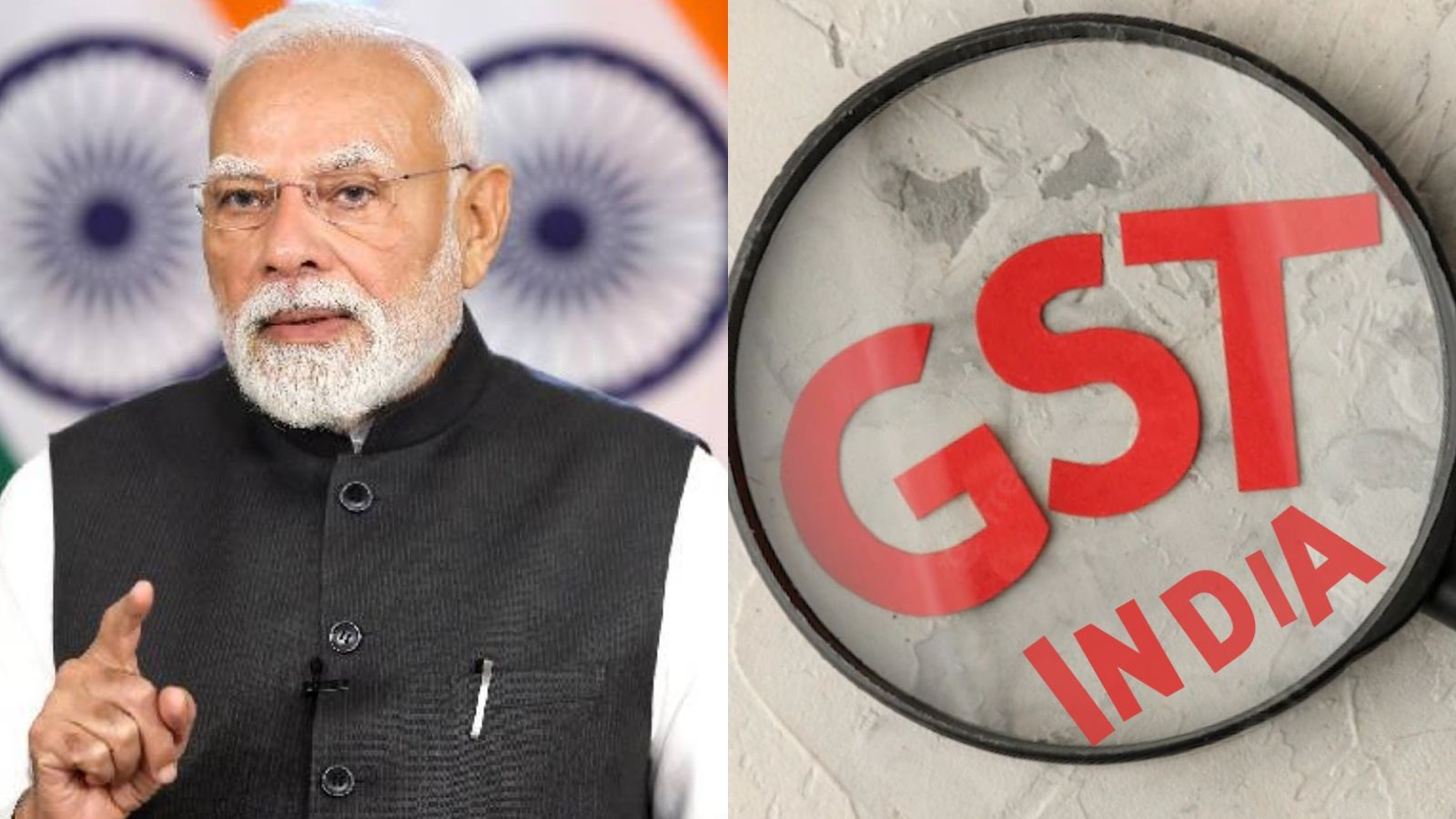
Prime Minister Narendra Modi announced the “Next-Generation GST Reforms” on September 3, 2025. These reforms will take effect from September 22, 2025, and promise to simplify India’s complex Goods and Services Tax structure.
The GST system was first launched in July 2017 as the biggest indirect tax reform since independence. It replaced multiple state and central taxes with a single unified system and was hailed as “One Nation, One Tax.”
However, frequent rate changes and multiple slabs made GST complicated over time. Many people felt it became a heavier burden than the previous system.
Now, the government has restructured the GST system and announced rate reductions. Officials claim this move will benefit citizens and mark a new phase in economic reforms.
The revised system will bring down the four GST slabs to three: 5%, 18%, and 40%. Essential items like milk, books, education materials, and health and life insurance will now be fully exempted.
Everyday products such as soaps, shampoos, ACs, TVs, and automobiles will see lower tax rates. Luxury goods, however, will continue under the highest 40% slab.
The timing of the announcement, just ahead of Diwali, is expected to boost consumer sentiment. PM Modi had hinted at these reforms during his Independence Day speech.
Still, many people are questioning whether the real benefits will reach households. Social media users argue that companies may keep prices unchanged and pocket the tax cuts.
Citizens are urging brands and businesses to reflect the lower tax rates in consumer prices. They believe failing to do so, especially for essentials and insurance, would defeat the purpose of the reform.
Economists and activists are also advising the public to track product prices closely. Some even suggest naming and shaming companies if they do not pass on the benefits.
Reactions remain divided. Supporters say the reforms will help the middle class, salaried workers, and farmers. Critics, however, warn that businesses may blame rising input costs and avoid cutting prices.
If that happens, households may see little real relief despite the bold announcement. Experts argue that corporate responsibility will determine whether the reforms succeed.
Many believe the government should enforce strict monitoring to ensure benefits reach the poor. Others doubt such checks will be carried out, leaving consumer vigilance as the deciding factor.
In the end, the success of the Next-Generation GST Reforms will depend on whether both government and businesses act responsibly. Public pressure will play a crucial role in ensuring these promises turn into reality.
The Paradise Review: Borrowed Masala, Bland Biryani #SrikanthOdela tries to copy #Neel’s darker visuals and…
In the aftermath of Ganesh Chaturthi, locals have begun complaining about the visarjan. A McKinney…
