Stories of Indian migrants turning everyday skills into businesses abroad often go viral. These narratives highlight resilience and ambition. They also raise questions about sustainability and cultural adjustment in foreign markets.
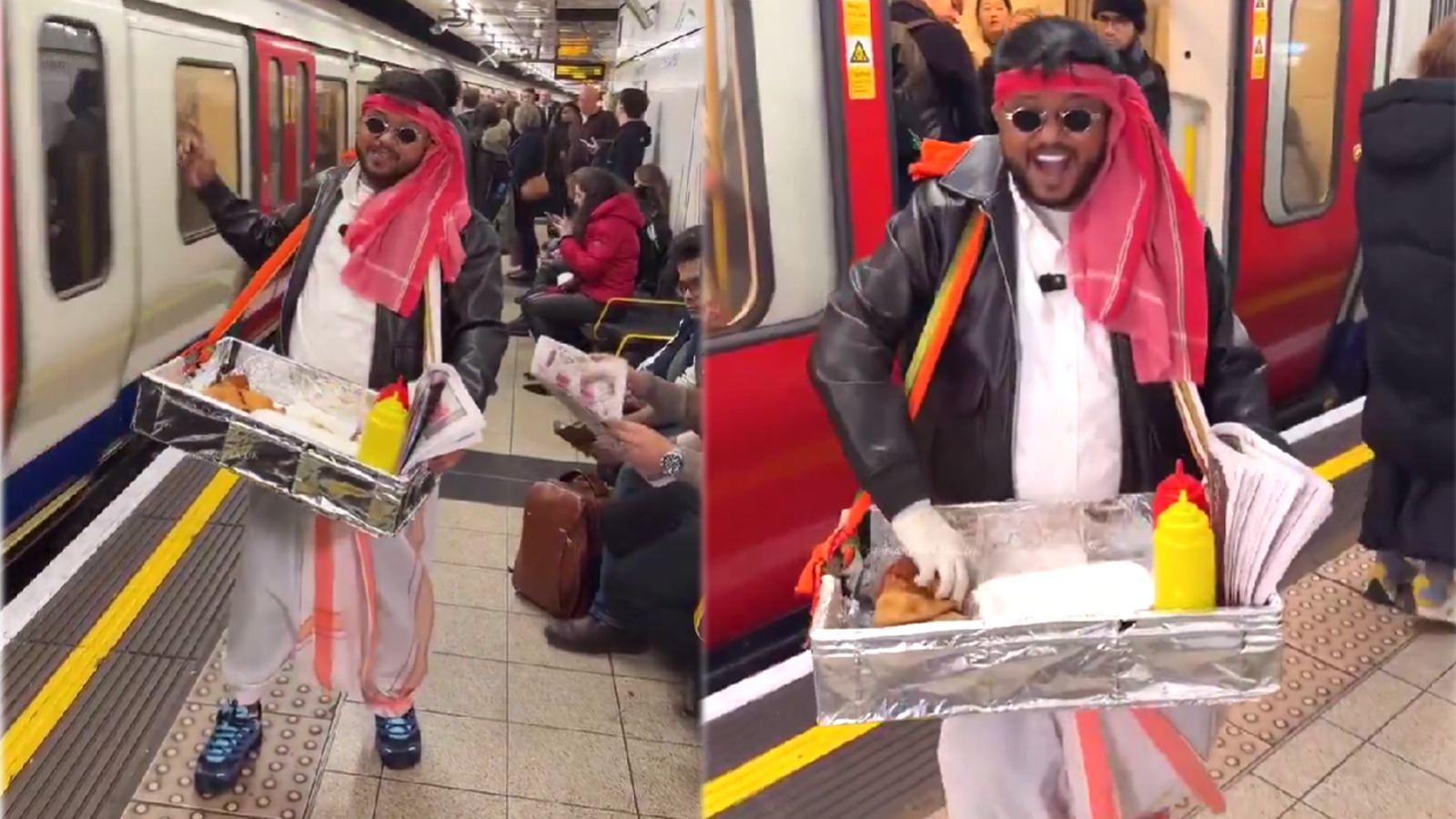
A recent viral post by Indian Tech & Infra claims a man from Bihar earns Rs 10 lakh daily selling samosas on London streets. The claim drew attention for its scale. It quickly spread across social media platforms.
The seller is linked to Ghantawala Bihari Samosa outlets in areas like Wembley and South Harrow. Two samosas are priced at £5. This premium pricing drives high revenue despite limited volume.
Videos show him selling hot samosas with chutneys even on trains. The approach blends traditional street selling with bold promotion. It reflects a desi hustle adapted for a global setting.
While the earnings sound impressive, the numbers rely on high pricing, not mass sales. This raises realism checks amid viral hype. Many question how consistent such revenue can be.
Public reactions remain divided. Some praise the grit and joke about reverse colonization. Others criticise selling food in spaces like the Underground, calling it disruptive.
Such methods help branding and visibility. At the same time, they risk backlash if local norms are ignored. Acceptance abroad often depends on balance.
The case shows how nostalgia-driven food ventures attract Indian diaspora communities. Success comes from pricing, quality, and buzz. Long-term growth depends on compliance and consistency.
Vishwak Sen is heading into an unusual phase of his career. Not because he has…
Avengers Endgame is proving that a film does not always need a new release to…
