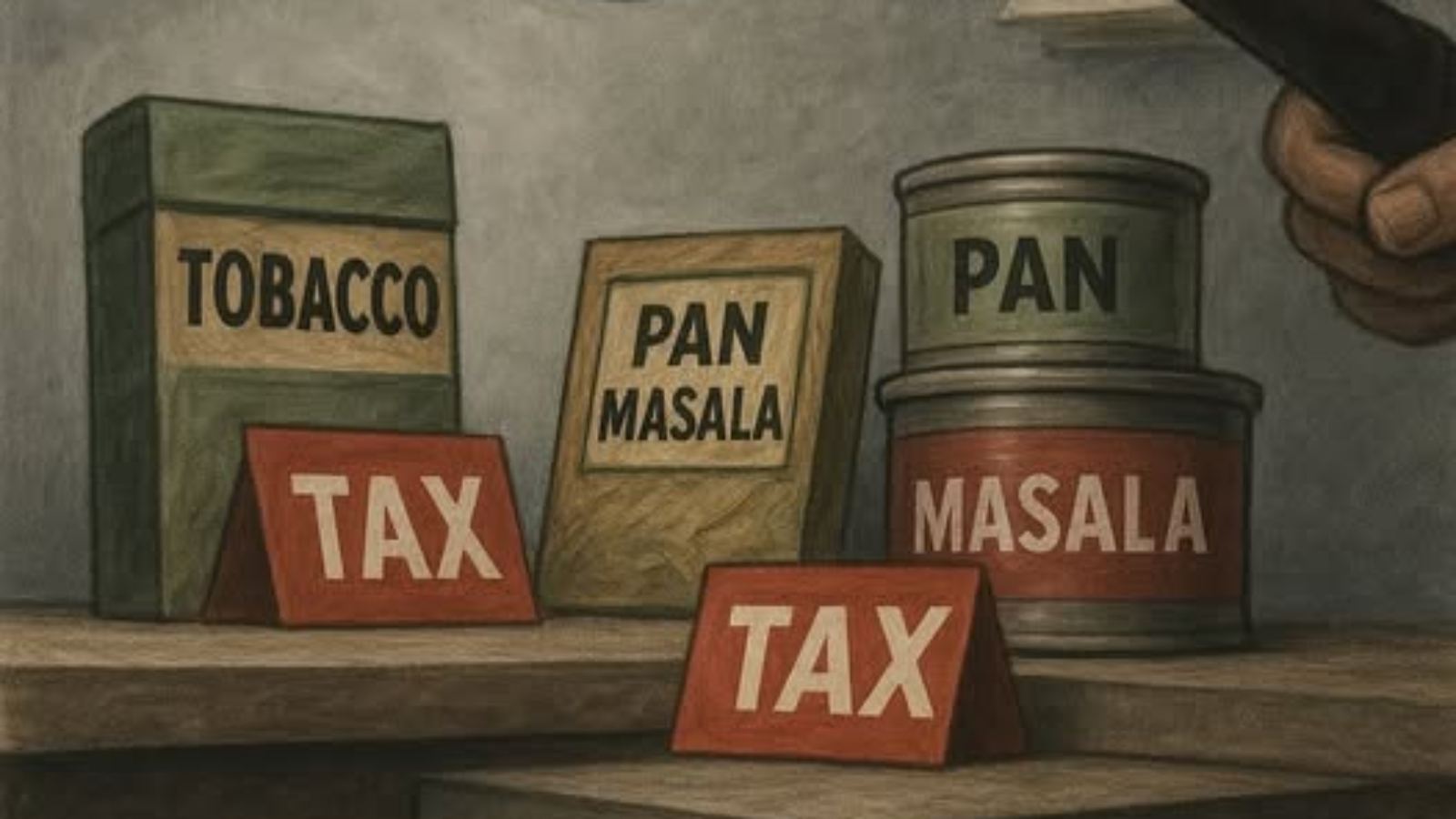
Taxation on harmful products like tobacco and pan masala has always balanced revenue needs with public health. Governments adjust these rates to discourage use and fund essential services. Each revision sparks debate on real-world impact.
A new notification from the Centre marks another shift. Starting February 1, 2026, pan masala, cigarettes, tobacco, and similar items will face a 40% GST rate. Bidis, the hand-rolled tobacco leaves popular in rural areas, will attract 18% GST.
This change replaces the earlier GST compensation cess setup. That structure is being phased out as pandemic-related loans are cleared. The update resets the taxation framework for so-called “sin goods.”
Beyond GST, pan masala will carry a Health and National Security Cess. Tobacco products will face extra excise duty based on machine capacity and other criteria. The aim is to make harmful products pricier and curb consumption. Health concerns like oral cancer remain a core factor.
While the move streamlines taxation, it could burden low-income users. Affordable options like bidis are common in rural belts. Industry players may pass increased costs to consumers, risking a shift to illicit trade.
Enforcement will be key to the policy’s success. Strong action against illegal supply chains is essential. Experts say awareness campaigns must continue to build a stronger health narrative.
The step reinforces fiscal discipline while targeting public health. Whether consumption drops meaningfully depends on implementation and long-term behaviour change.
Thrigun is one of the star players during the current season of the Bigg Boss…
Rajinikanth's most anticipated sequel Jailer 2 directed by Nelson Dilipkumar is gearing up for a…
