Economic rankings often highlight growth, investment and rising incomes. They rarely show how unevenly that prosperity is shared. For many at the bottom of the rural economy, access to credit still means turning to informal moneylenders with harsh terms.
When crops fail or small businesses collapse, the burden of risk shifts to individuals and families. The financial system often steps back, leaving people to absorb losses alone. This gap exposes deep cracks beneath positive economic headlines.
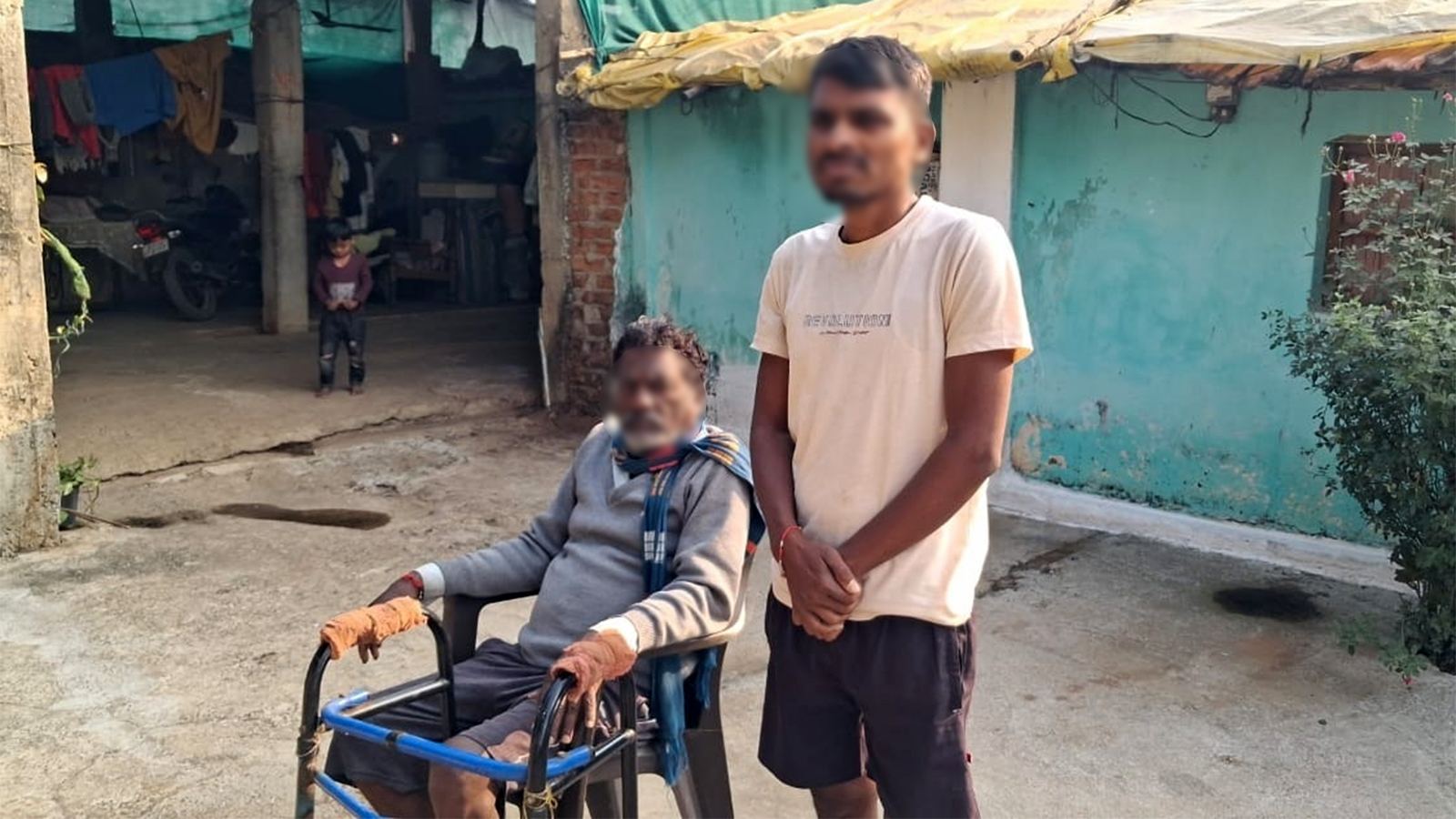
In Minthur village of Maharashtra’s Chandrapur district, the experience of farmer Roshan Sadashiv Kude reflects this imbalance. His story sits uneasily alongside claims of a booming economy and improving rural livelihoods.
Kude allegedly borrowed around 1 lakh rupees from several moneylenders to start a dairy business after repeated farming losses. The amount reportedly grew to 74 lakh as interest of nearly 10,000 rupees per day accumulated.
The cows he purchased died and crops failed again. Formal support systems did not intervene in time, allowing the debt cycle to tighten. The situation continued to worsen with each passing month.
Kude says continued harassment forced him to sell land, his tractor and household belongings. He later travelled to Cambodia, where his kidney was removed for 8 lakh rupees, an amount still insufficient to clear the debt.
After the case became public, authorities booked multiple moneylenders under the Maharashtra Money-Lending (Regulation) Act along with extortion charges. The alleged organ trade angle is now under investigation.
The incident highlights a harsh reality. When regulation, banking access and policing fail together, even fast growing economies can feel unsafe for those sustaining them from the ground level.
Khushi Dubey knows how to make black feel anything but basic. In this striking photoshoot,…
Following the terrible failure of Coolie, Rajinikanth is all set to return with his next…
