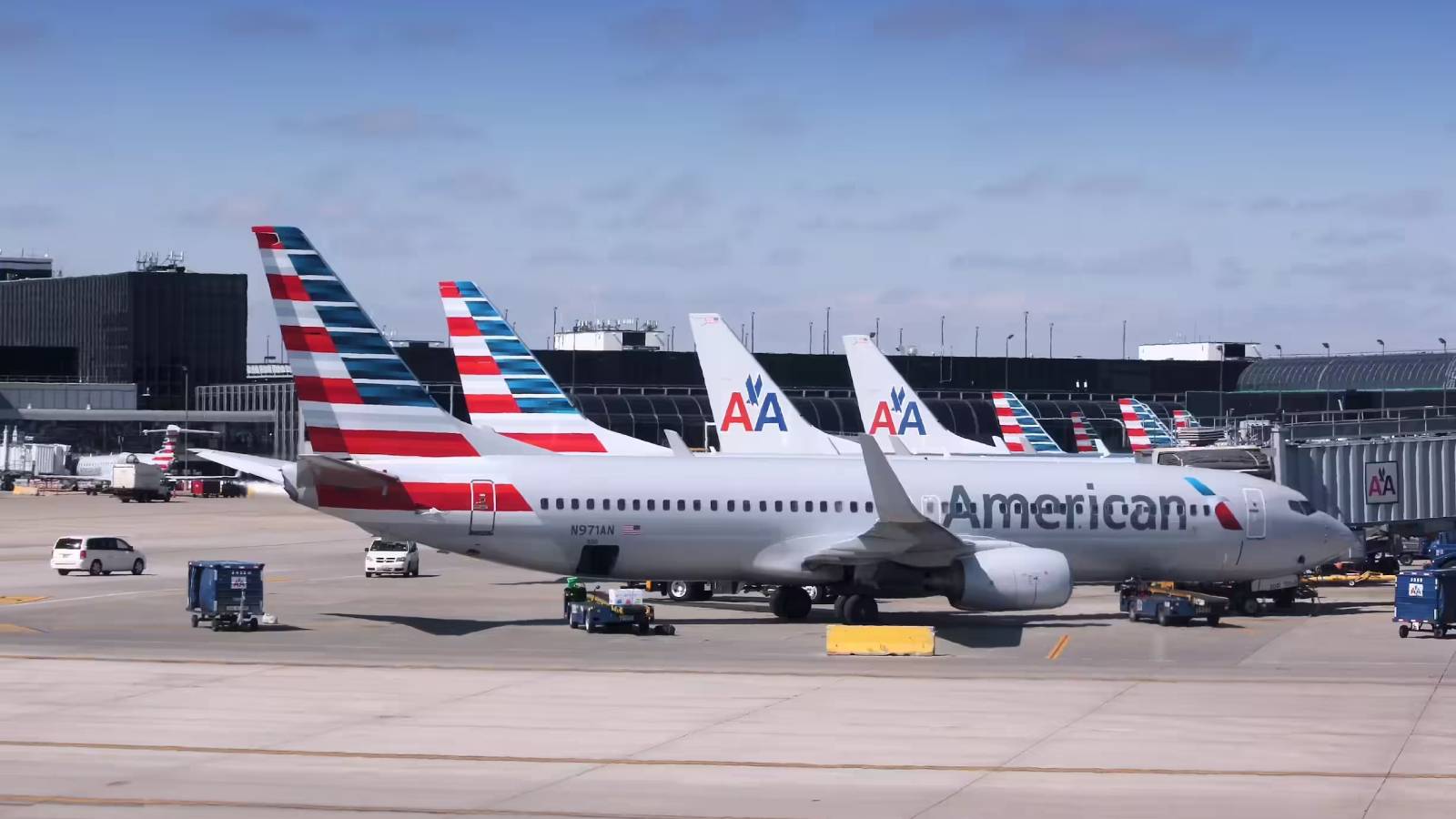
A passenger of American Airlines experienced a serious medical emergency a few months ago. You faced a concussion and now need ongoing neurological care. You went through severe nausea, vomiting, loss of consciousness, and a head injury during the flight.
Missing medical response
Reports state that you collapsed in the lavatory. The situation was serious, yet the airline filed no incident report. EMS also did not assist after landing, which raises concerns about basic safety measures.
Conflicting claims by Risk Management
You later received conflicting statements from the Risk Management team. They claimed that you declined EMS and also hinted at intoxication without evidence. These inconsistencies created more confusion and frustration.
Escalation to federal bodies
You then opened cases with the Better Business Bureau, U.S. Department of Transportation, Federal Aviation Administration, Texas Attorney General, and the U.S. Senate Commerce Committee. Each complaint reflected the lack of clarity in the airline’s communication.
Contradictions in communication
Written statements from the airline differ from what they told you directly. This gap between official documentation and personal communication weakened trust and accountability.
Concerns over social media response
Your inquiries on X went unanswered after December 5. When you tested the system through a secondary account, the airline replied immediately. This raised questions about whether they avoided your primary account because of your ongoing complaints.
Larger safety and transparency issues
This case raises serious concerns about medical response protocols, documentation of in-flight incidents, and transparency during federal oversight. It also shows the importance of clear communication when passengers report emergencies.
Delhi Capitals are facing heavy backlash after an official post on X formerly Twitter following…
An important passage of the socio economic development of Andhra Pradesh happened today with the…
