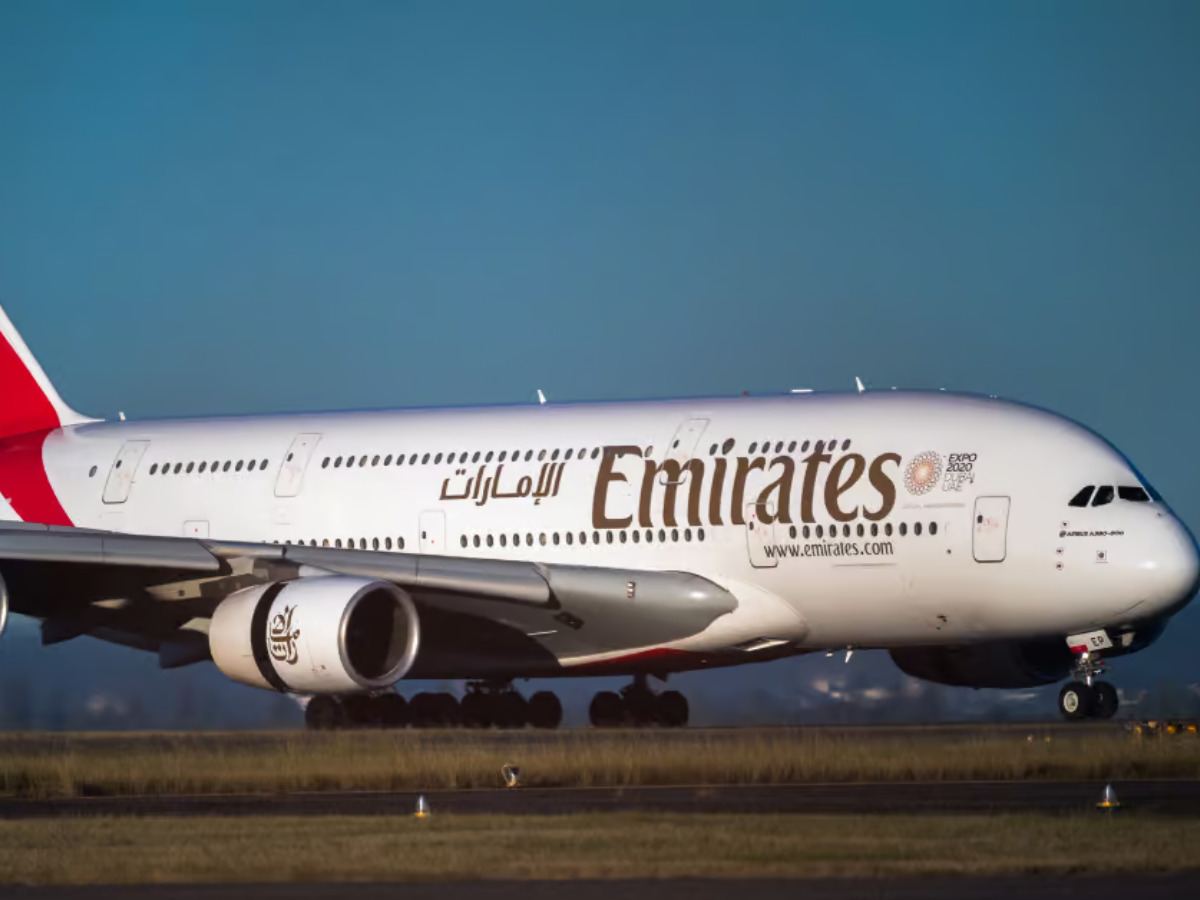
From October 1, 2025, Emirates will prohibit the in-flight use of power banks, citing safety concerns over lithium-ion batteries. While the airline frames the move as a necessary safety measure, many travellers see it as another restriction reducing comfort and flexibility during long-haul journeys.
Impact on Passenger Convenience
In today’s travel environment, passengers rely heavily on smartphones, tablets, and laptops for work, entertainment, and communication. For many, power banks are the only reliable way to keep these devices running—especially when aircraft charging ports are slow, faulty, or absent. Emirates passengers have long reported such issues, making this ban even more frustrating.
Safety Concerns vs Passenger Needs
The dangers of lithium-ion batteries are real, but critics argue that Emirates is placing the entire burden on passengers rather than improving its in-flight charging infrastructure. Other airlines have managed to address the same risks through targeted safety protocols without outright banning power banks.
Alternative Measures Could Have Been Taken
Instead of a blanket ban, Emirates could have introduced more balanced solutions—such as allowing only certified high-quality power banks, offering fireproof charging pouches, or ensuring every seat has a reliable charging point. These steps could have maintained safety while still respecting passenger convenience.
A Growing List of Airline Restrictions
Air travel is already packed with rules, from baggage weight limits to liquid restrictions. Adding another regulation that directly affects a passenger’s ability to use their own devices feels less like a customer-focused safety policy and more like operational convenience for the airline. Safety is crucial, but so is treating paying customers as valued travellers, not potential hazards.
The Paradise may have ended up disappointing many viewers, but there is one thing the…
నేడు మదనపల్లిలో జరిగిన రాయలసీమ ఉద్యాన హబ్, దేశంలో మొట్ట మొదటి ‘ఇండియన్ స్కూల్ ఆఫ్ అగ్రికల్చర్’ శంకుస్థాపన కార్యక్రమ…
