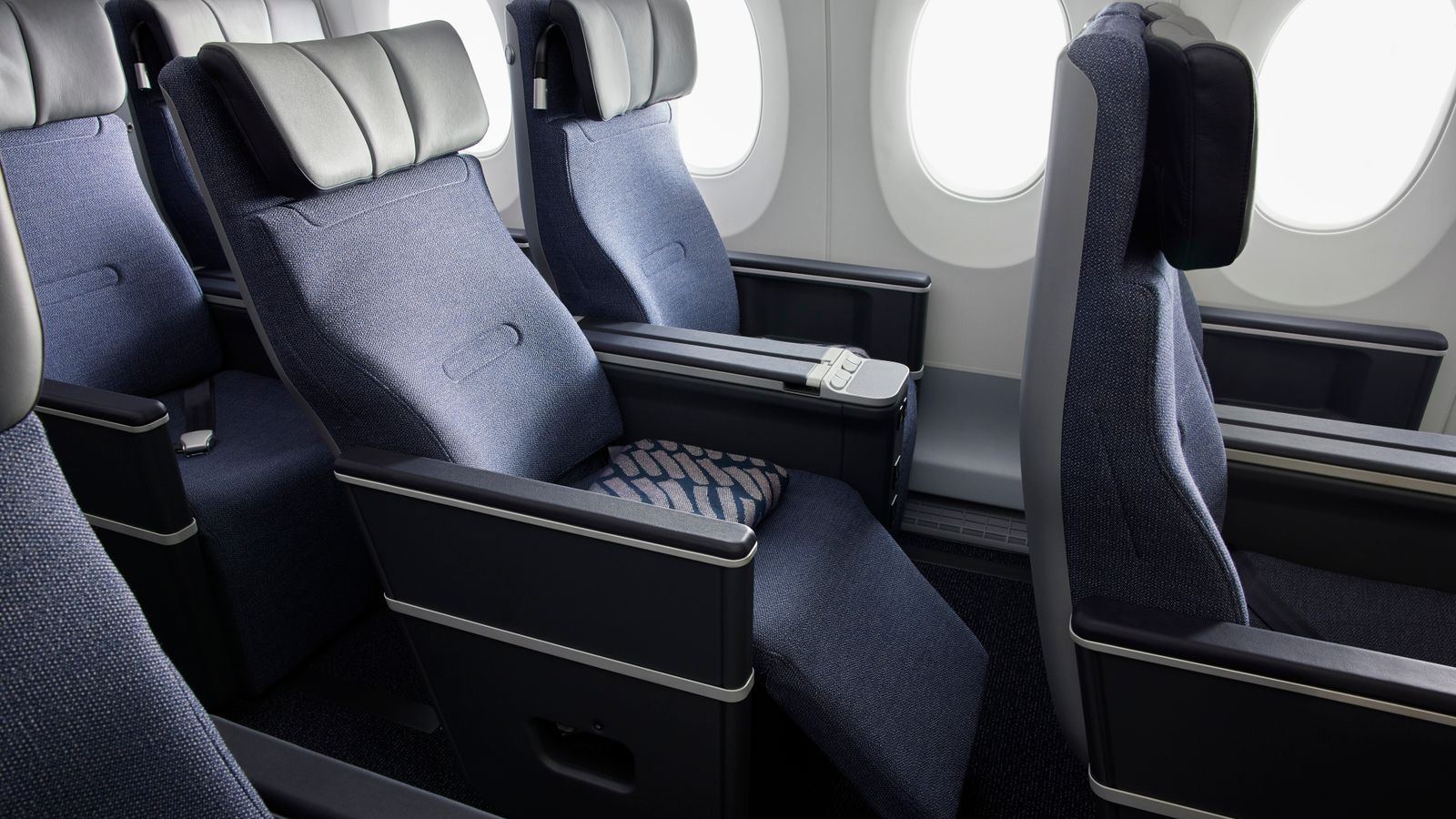
India’s Goods and Services Tax (GST) Council has approved a hike on premium air travel. The levy on premium economy, business, and first class tickets has risen from 12 percent to 18 percent.
Economy Fares Unchanged
The GST rate for economy class remains unchanged. This aims to protect affordability for the majority of domestic and international travellers.
Industry Concerns
The decision has raised concerns among aviation stakeholders. Airlines are already facing higher operating costs, airspace restrictions, and strong competitive pressure.
Ajay Prakash, president of the Travel Agents Federation of India, warned the hike could hurt premium bookings and revenues. Analysts from ICRA added that airlines will pass the added tax burden on to customers.
Impact on Travellers
Business class passengers may be less price sensitive, but some could shift to economy seats. This potential downgrade could change demand patterns in the sector.
Global Reaction
The International Air Transport Association expressed disappointment at the move. Sheldon Hee said the decision contradicts investments made by airlines in premium products.
He warned that such taxation may weaken demand and threaten the viability of certain routes. IATA also noted Asia Pacific airlines are forecast to earn only 2.60 dollars per passenger in 2025, showing fragile profitability.
Future Challenges
Industry experts believe airlines may need to rethink pricing structures and booking strategies. While keeping economy fares unchanged ensures wider travel access, the GST hike on premium tickets could discourage high-yield passengers and affect long term growth.
As we have been repeatedly emphasising, Nani is one of the most consistent heroes in…
India chased down 406 runs against West Indies in the second ODI in Guwahati, winning…
