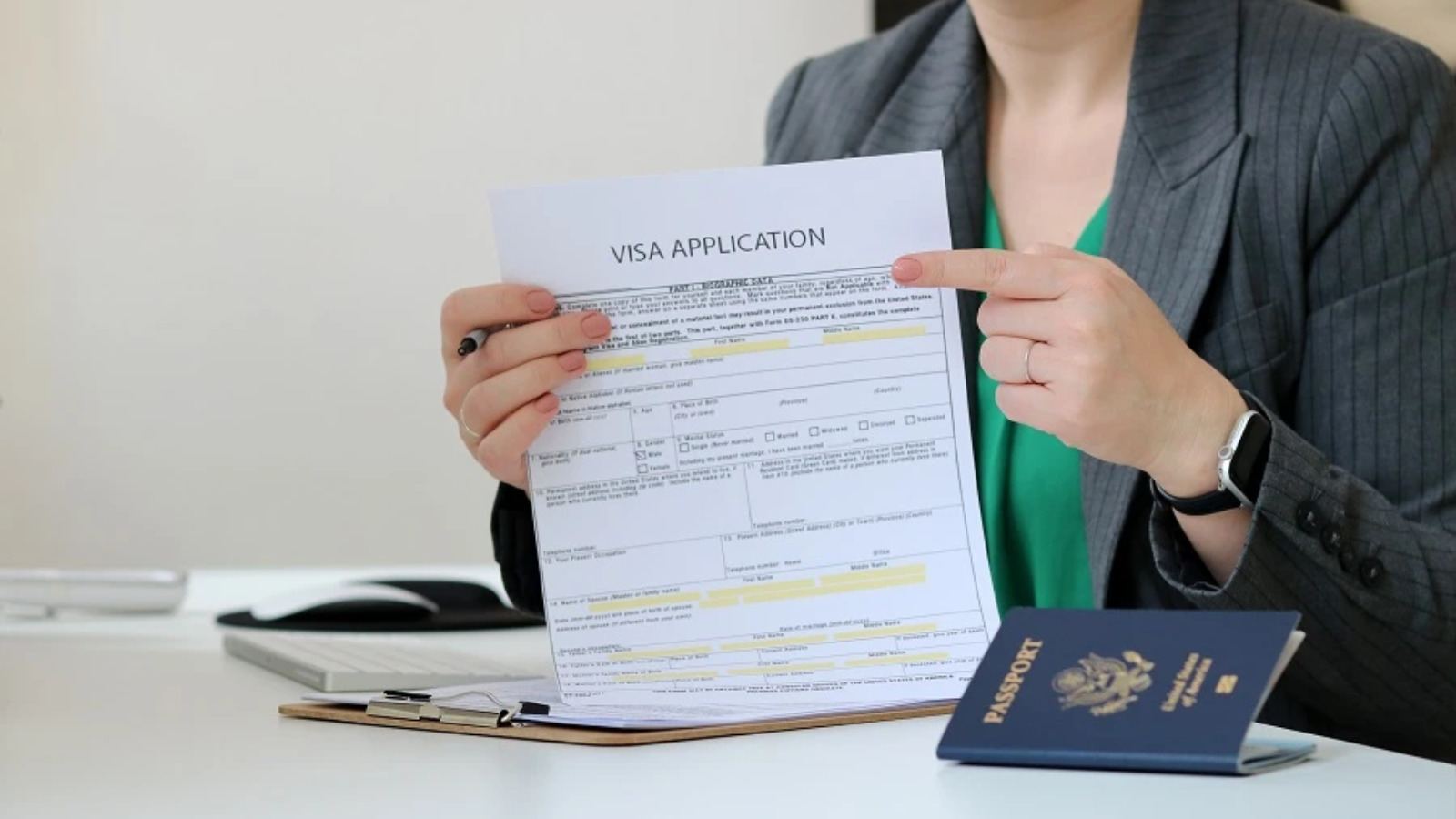
Relying completely on a company lawyer as an H-1B visa holder may create risks. Indian professionals in the United States are being cautioned about this approach. Experts say it is important to understand who the lawyer represents before sharing sensitive details.
During a live session, attorneys from Reddy Neumann Brown PC explained that a company lawyer represents the employer, not the employee. Any information shared is not protected under personal attorney client privilege, which can create complications.
This means conversations with a company lawyer may not remain confidential. In certain situations, the information shared could be used to protect the employer’s interests. In the current strict visa environment, companies tend to act cautiously.
For example, discussing I-94 expiry or possible gaps in employment may trigger immediate action. Employers may respond to avoid compliance risks. This could even result in sudden termination or concerns around unauthorised work status.
Work location issues can also become problematic. If an employee is working from a different city than listed in the Labor Certification Application, it may lead to refusal of extension filing. Such disclosures can create serious visa challenges.
Sharing personal matters like minor legal issues, including DUI cases, may raise red flags. Employers often act quickly to avoid issues during audits or site inspections. This can put the employee in a difficult position.
Immigration experts advise H-1B workers to consult a personal immigration lawyer first. This ensures confidentiality and better understanding of available options. It also helps in making informed decisions before involving the employer.
Mythri Movie Makers is planning its next project after the success of Good Bad Ugly…
Zee Entertainment Enterprises is planning a strong return to India’s sports broadcasting space. Reports suggest…
