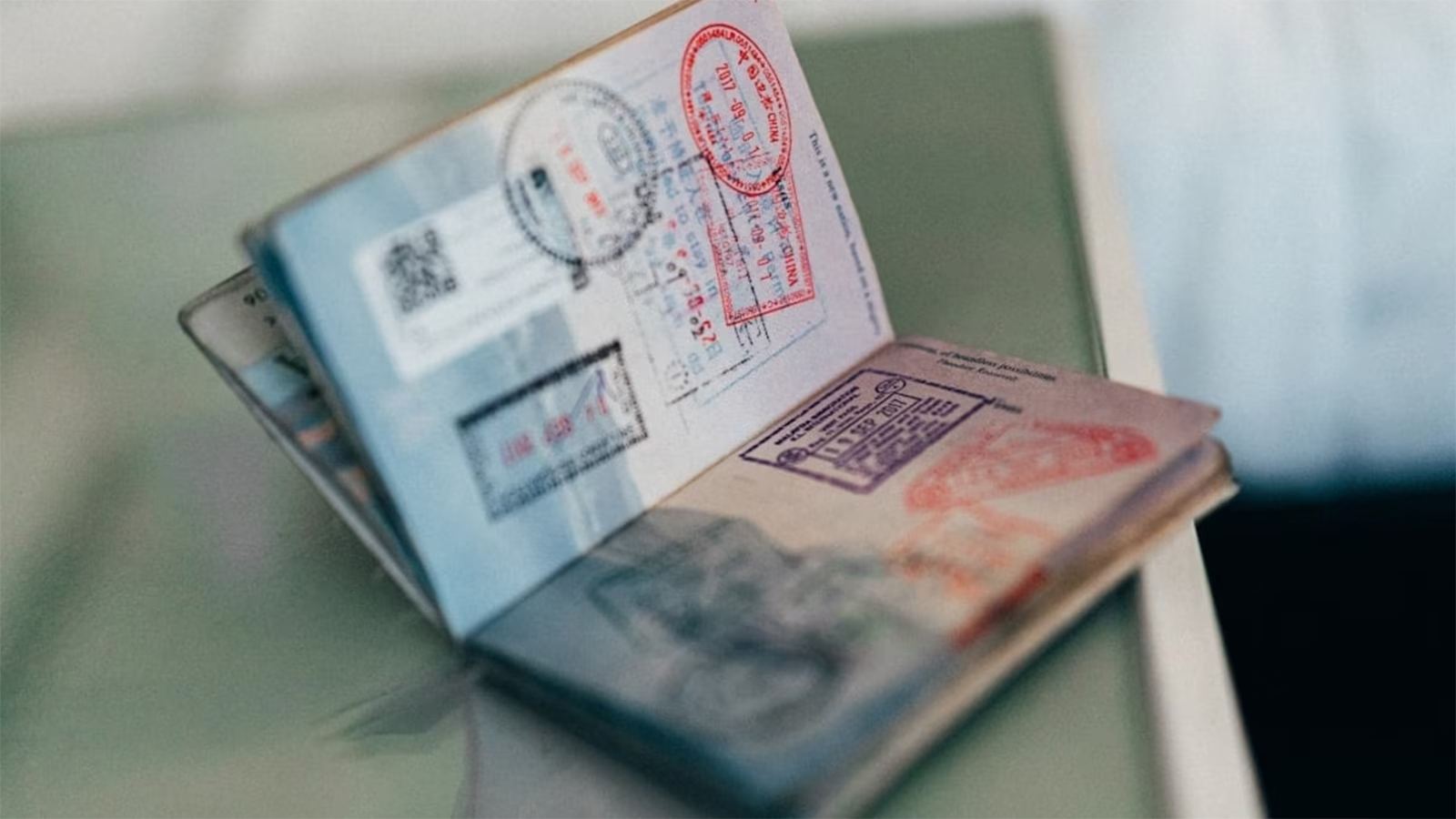
In December 2024, an applicant walked into a U.S. consulate full of hope. With years of engineering work and a USCIS-approved H-1B petition, success seemed assured. The officer hinted approval, leaving him confident his American dream was set.
The Sudden Refusal
Eight months later, reality hit hard. His passport remained untouched, and an email informed him that his case had been “returned to USCIS.” The official status was refused.
Background and Strong Profile
He was no stranger to the U.S., having travelled earlier on B-1 and L-1 visas. His paperwork looked strong with a qualified employer, a specialised role, and the required documents in place. Still, doubts arose when consular verification revealed client contract changes.
The 221(g) Shock
The dreaded 221(g) slip put him in limbo. Online forums show he is not alone. Many applicants have faced the same fate, with verbal approvals later withdrawn, leaving their cases in years of uncertainty.
Employer-Employee Concerns
In contractor-driven setups, even a small change in clients can trigger suspicion. Officers closely test the employer-employee relationship. For many, this becomes the deciding factor in whether the petition survives or collapses.
Consulate Veto Power
Despite USCIS approval, consulates hold veto authority. A “refused” case may technically go back for USCIS review, but reaffirmations are rare. This leaves applicants hanging between agencies with little control.
Lessons for Applicants
The key takeaway is sobering. Verbal approval offers no certainty. Applicants should carry updated client proof, seek legal advice, and avoid relying on that approving nod across the consular window. For this applicant, alternatives remain: wait for USCIS review, file amendments, or explore options like an L-1 or Canada’s skilled visa.
India have sealed the five match T20I series against New Zealand with two matches still…
Nidhhi Agerwal’s career is not as fruitful as it may look. The actress began her…
