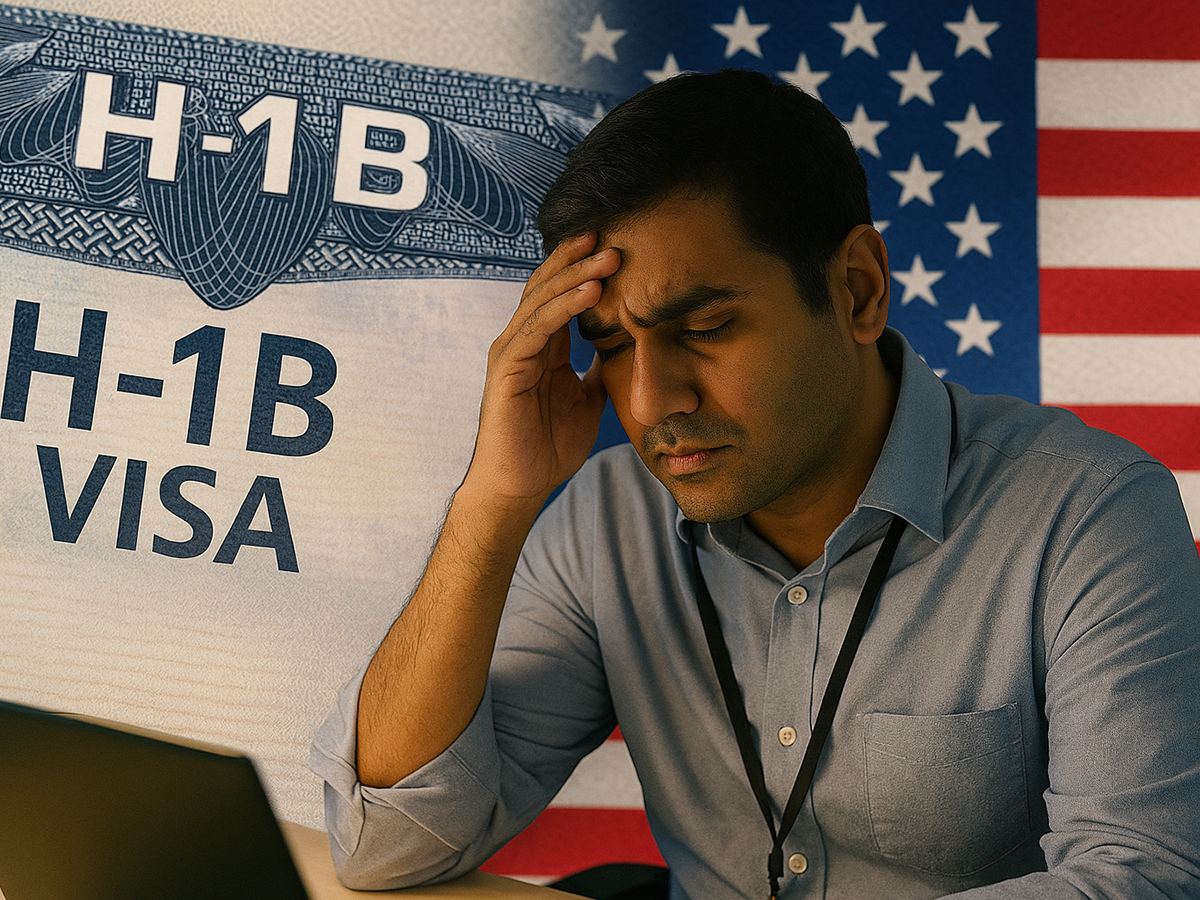
When Indian IT professionals arrive in the U.S. on H1B visas,excitement mixes with hidden challenges.
One common issue: working longer hours than their American coworkers. Often, that means an extra hour or more each day.
From Bellevue to San Francisco, many H1B workers put in nine or ten hours while others leave on time.
No law requires these extra hours. Still, workplace culture and immigration rules quietly push them to stay late.
The H1B visa ties directly to their job. Lose the job, and there are just 60 days to find a new sponsor or leave the country.
This ticking clock influences behavior. Many work longer hours to avoid seeming replaceable.
Employers must follow Department of Labor rules for wages and job conditions. But the law doesn’t limit daily hours or regulate overtime for H1Bs.
Despite that, many feel pressure to prove their worth by taking on more work. Being on a temporary visa adds vulnerability. Saying no can risk being labeled uncooperative or replaceable.
Tech workplaces often reward hustle and “going the extra mile.” For H1B workers, this blends with immigration uncertainty, creating extra stress.
Some stay late not because they must, but to protect their future in the U.S. This leads to burnout, anxiety, and stress. Extra hours are usually unpaid since many jobs are salaried without overtime.
Mental health and personal time often suffer in the race to keep job security. Working late is a choice shaped by pressure—not a legal requirement.
Conversations about immigrant work-life balance remain rare. Many cope quietly.For many H1B holders, extra hours reflect more than job demands.It’s about navigating the complex mix of immigration and employment.
Understanding this can help employers and colleagues better support them.
Popular Telugu YouTuber Rama Nandana, known as Nandu of Nandu’s World, is facing fresh complaints…
Director M.S. Raju, known for bringing a distinctive sensibility to his films, is back with…
