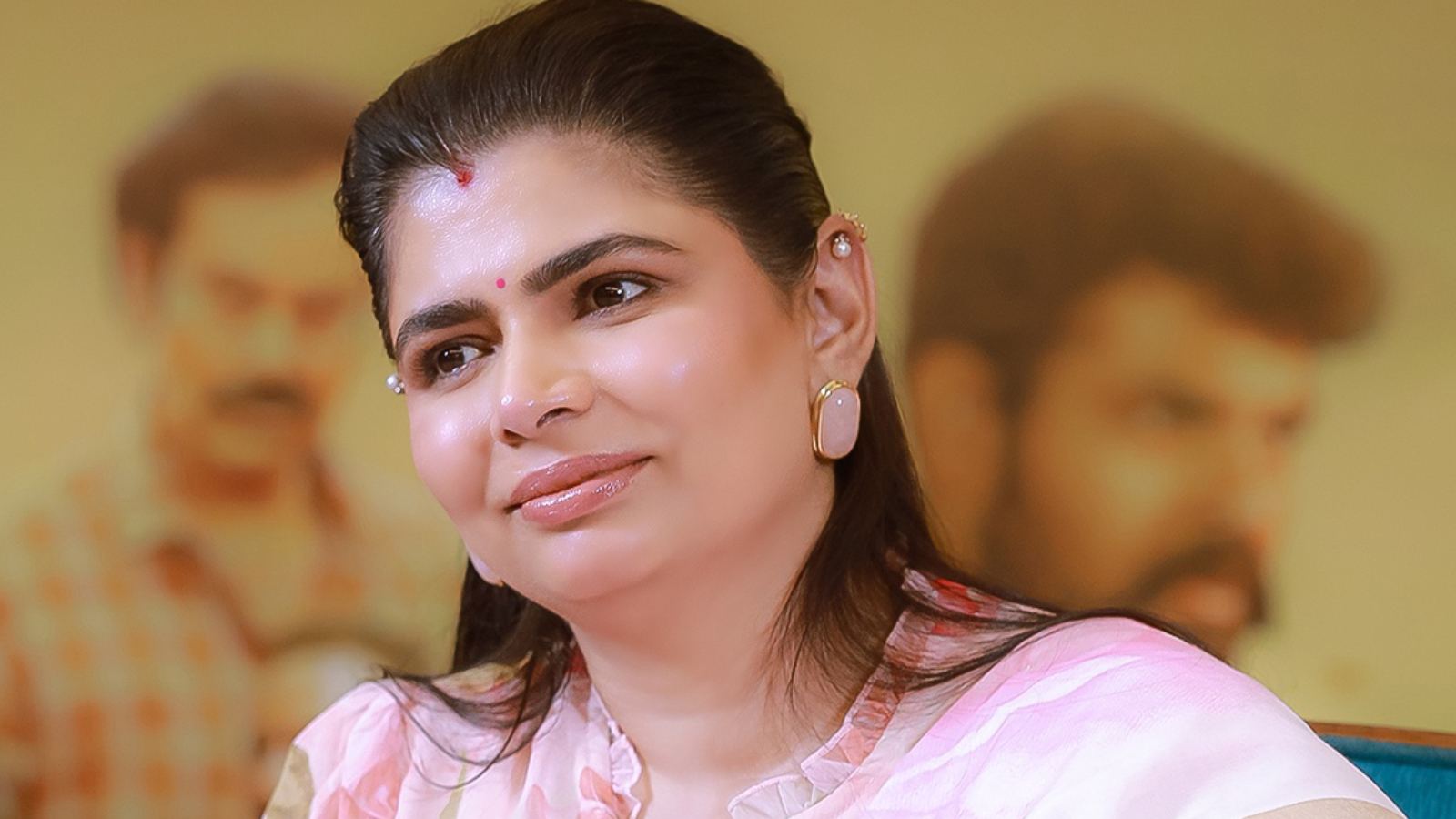
A recent tweet by Chinmayi Sripaada has once again triggered a heated debate on social media.
Reacting to a disturbing incident involving a tourist, Chinmayi used the phrase “Atithi Rape-o Bhava”, a stark and provocative twist on the traditional saying “Atithi Devo Bhava.”
The intent is clear.
It’s anger. Frustration. Outrage over repeated incidents of violence.
But the reaction? Equally intense.
While some supported her for calling out a serious issue bluntly, many felt the phrasing crossed a line, turning a deeply rooted cultural value into something offensive based on a single incident.
And that’s where the debate stands.
Is this speaking truth to power, or overgeneralisation?
Because on one side, there is no denying the seriousness of such crimes. They deserve outrage, accountability, and strict action. Voices raising concern are necessary.
But on the other side, reducing an entire culture or value system to one incident feels like a stretch to many.
That’s exactly what the backlash reflects.
Social media, as always, amplifies both extremes.
Supporters see courage.
Critics see exaggeration.
And in between, the actual issue risks getting diluted.
Even the responses to her tweet show how quickly the conversation shifts, from the crime itself to personal attacks, counter-arguments, and ideological clashes.
Which brings us to the real question.
Are we debating the issue, or reacting to the tone?
Because today, how something is said often gets more attention than what is being said.
And in cases like this, that shift can be dangerous.
Because the focus should remain where it matters, on the crime, the accountability, and the need for change.
Everything else is noise.
Srushti Bannatti is completely redefining modern aquatic glamour in her latest sizzling poolside photoshoot. Dressed…
Nani's The Paradise has grossed over Rs. 114 crores worldwide in two days. After receiving…
