The global push for artificial intelligence runs on an unseen currency, billions of liters of clean freshwater. While the internet feels invisible, the buildings that power it are causing severe damage to our environment. Across the world, massive data centers are draining local water supplies and pushing small towns into ecological chaos.
The reality of this boom was recently exposed in the United States. A congressional hearing showed jars of dirty, brown tap water taken from homes near Meta’s data center in Georgia. To build that facility, forests were cleared and rocks were blasted, which completely ruined the local groundwater. Today, a single facility there uses nearly 19 lakh liters of water every day, forcing local families to rely on bottled water to survive.
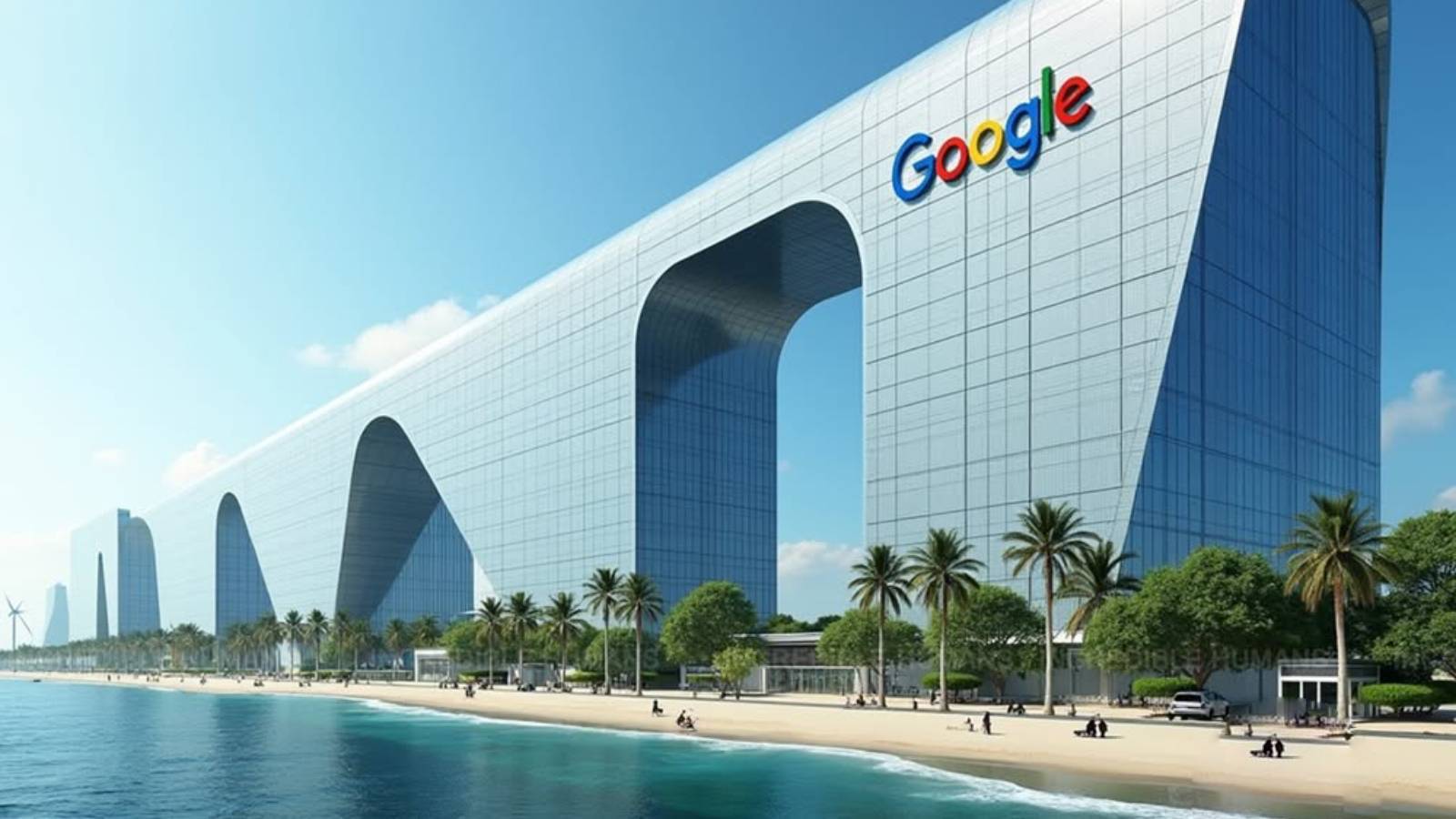
This same environmental battle has now arrived on the coast of Andhra Pradesh. Chief Minister N. Chandrababu Naidu recently laid the foundation stone for Google’s massive $15 billion India AI Hub in Visakhapatnam. The project will span hundreds of acres across Tarluvada, Adavivaram, and Rambilli.
While leaders celebrate this as a huge win for India’s digital future, local environmental and civil rights groups are deeply worried. Activists from the Human Rights Forum have raised immediate alarms. They point out that the project was approved under basic building rules, allowing it to bypass detailed environmental checks and public hearings. This means the true resource demands of the project have been hidden from the public.
The stakes for Visakhapatnam are incredibly high. Vizag is already a water-stressed city that faces severe groundwater shortages every summer. Despite this, the project’s official approvals do not show how many millions of liters of freshwater Google will pump out of the city’s supply every single day.
Environmentalists have also warned that the construction sits dangerously close to the sensitive Kambalakonda Wildlife Sanctuary. To make matters worse, running a massive digital hub requires a huge amount of electricity. This will force local power plants to burn more fuel and use billions of additional liters of water just to keep the data centers running.
Google’s Biggest Test
This situation puts Google at a major crossroads. The tech giant has publicly promised to become “Water Positive by 2030,” meaning it aims to return more water to communities than it consumes. However, fulfilling that promise in Vizag will require a radical, expensive change in how it operates.
Google cannot afford to repeat its American mistakes on Indian soil. The company must completely avoid using the city’s drinking water by investing in closed-loop recycling systems or building its own desalination plants on the coast. If Google chooses corporate speed over local resource safety, it risks turning a beautiful coastal city into a cautionary tale of tech destruction.
Hanuman Ansh created a sensation at the Hindi box office, but its Telugu-dubbed version has…
ప్రధాని మోడీ అదివారం చెన్నైలో పర్యటించారు. తమిళనాడులో రూ.13,000 కోట్లు విలువైన అభివృద్ధి పనులకు శంకుస్థాపనలు చేశారు. తర్వాత చెన్నై…
