Fast food offers quick convenience, but hidden hygiene lapses can turn simple treats into health risks. Small mistakes in food handling often point to deeper sanitation problems. High volume operations face constant pressure to maintain basic cleanliness standards.
A recent BBC investigation, widely shared on social media by My Mixtapez, tested ice samples from McDonald’s, Burger King, and KFC outlets. The findings raised serious concerns. Ice, often seen as harmless, became the focus of public attention.
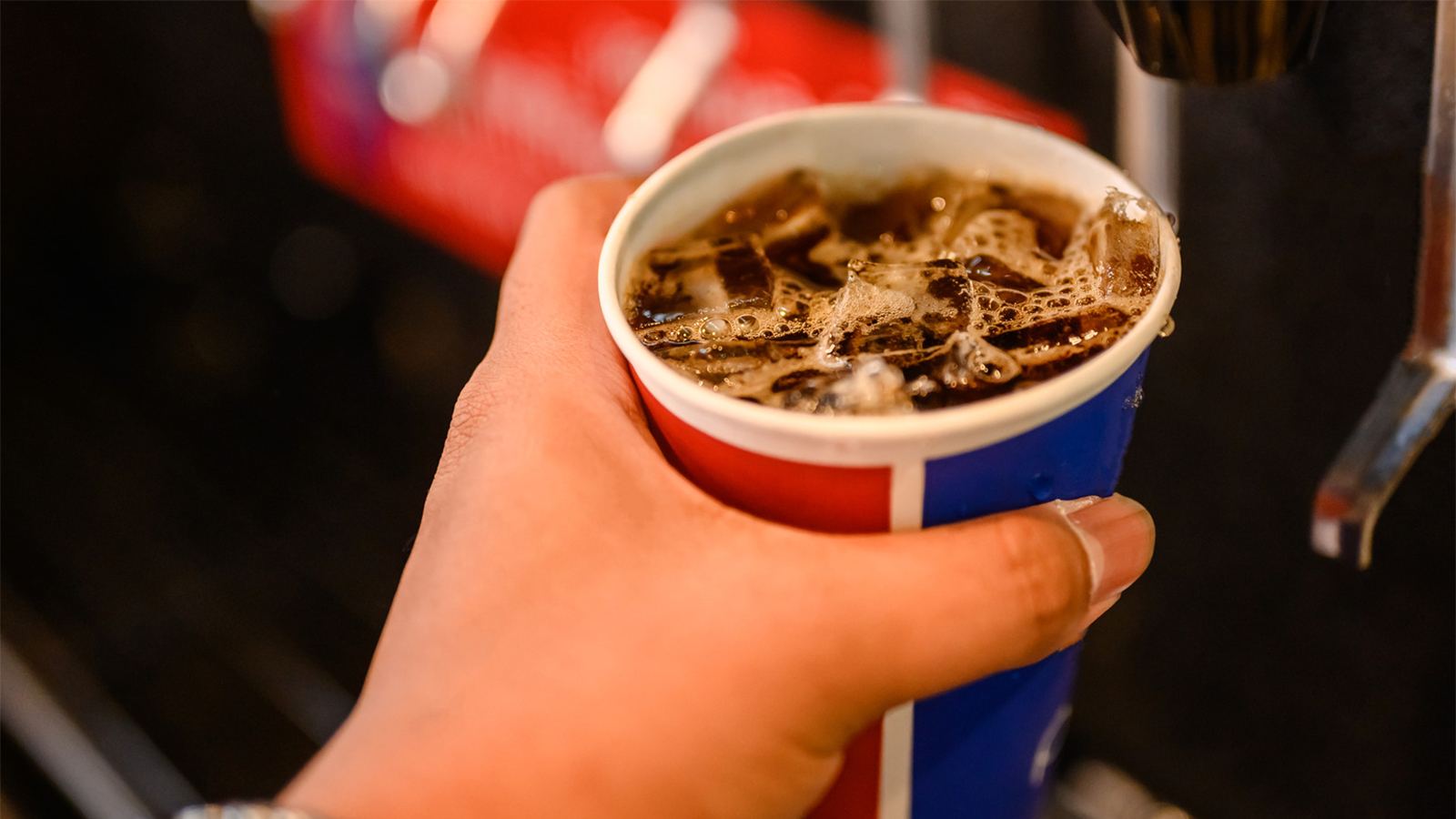
More than 50 percent of the tested samples reportedly contained fecal bacteria. This coliform bacteria is commonly linked to poor sanitation and can cause several illnesses. Images showing branded glasses beside contaminated ice added to the shock.
The report also echoed earlier findings from a 2017 BBC Watchdog investigation. At that time, 3 out of 10 McDonald’s samples tested positive. Burger King showed 6 out of 10, while KFC recorded 7 out of 10, some at high levels.
Fast food chains responded by shutting ice machines for deep cleaning and reinforcing hygiene rules. Despite these steps, repeated findings have raised doubts. Fecal matter in ice suggests unclean machines or staff not washing hands properly.
While brands claim strict safety standards, random testing continues to reveal gaps. Customers may need to think twice before ordering iced drinks. Calls for transparency, regular audits, and better equipment grow stronger as trust remains fragile.
Vijay Deverakonda’s Ranabaali is heading towards release with a big overseas target, but the early…
After missing its October 9 release, Venkatesh and Trivikram’s Aadarsha Kutumbam AK47 was reportedly heading…
