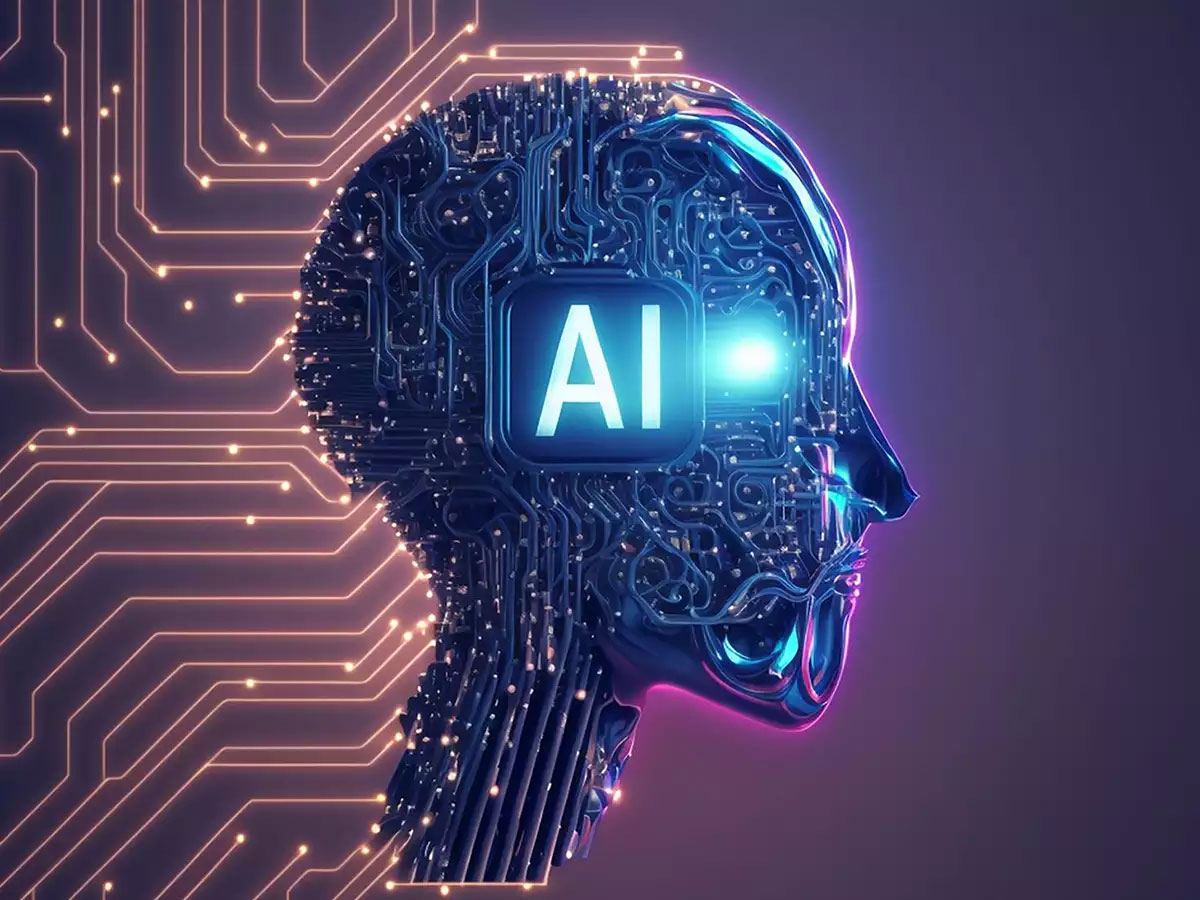
Many fields are now being impacted by artificial intelligence (AI), but possibly the most fascinating use of it to date is its assistance in accurately predicting human death. What can AI do with this kind of work, and what are the advantages and risks?
By drawing on data from a multitude of sources, including medical data, genetic data, lifestyle information, and environmental data, Ai can go so far as to predict human death. Through machine learning, AI can search for patterns and correlations that will suggest the level of mortality risk for an individual or a group. For instance, it can calculate the remaining years of life left for a patient with a terminal illness or the possibility of a cardiac arrest for someone with high blood pressure.
The value of predicting human death with the help of artificial intelligence is even greater. It will also be of assistance to doctors and patients in making appropriate choices in the course of treatment, palliative care, and end-of-life planning. It can also provide help to researchers and policy makers tasked with investigating the causes and consequences of mortality and developing interventions.
But predicting the deaths of human beings brings with it some ethical and social problems. It is doubtful whether AI systems could ever take into account all the variables that affect human life–including things like human dignity, spiritual beliefs, and free will. Also, privacy and security concerns surround the use of artificial intelligence. Private information can leak out or be abused by untrustworthy third parties. In addition, the use of AI carries with it the possibility of prejudice or discrimination, with different groups being singled out or left out by the computer systems.