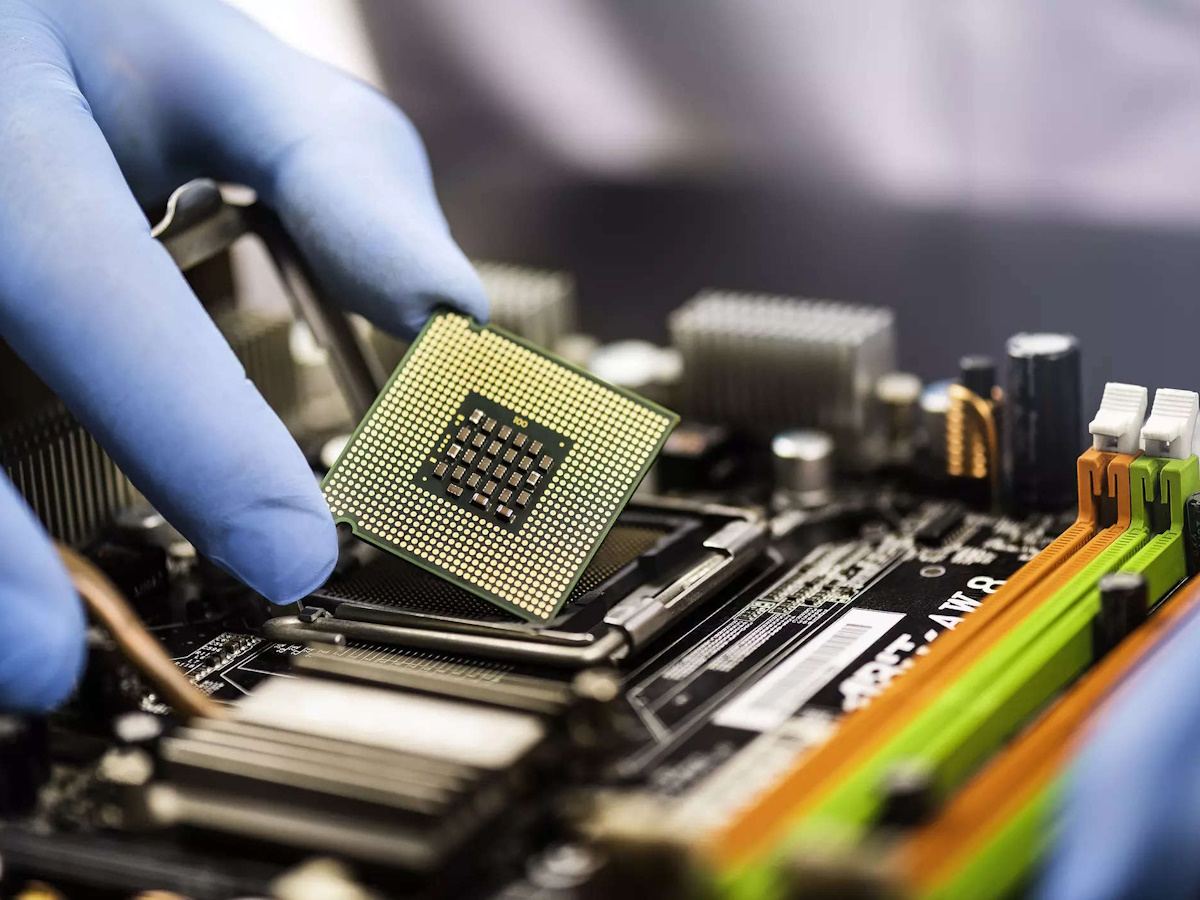
The semiconductor industry has benefited greatly from Intel’s founding in 1968. But as rivals like NVIDIA, TSMC, Qualcomm, and MediaTek have emerged, its dominance is becoming lesser.
Apple and Intel couldn’t agree on a pricing or design control, therefore Intel decided not to accept Apple’s iPhone chip. Another factor contributing to Intel’s loss was Apple’s high volume and lower-than-expected sales.
Another cause was Apple’s decision to develop on ARM architecture rather than Intel’s x86 architecture for its handsets. Notwithstanding these difficulties, Intel’s hegemony in the semiconductor sector continues to play a vital role in the development of the sector.
Intel’s transition from memory chips to microprocessors has been blamed for its recent relative decline. At first, Intel concentrated on memory chips, but as the market expanded, it found it difficult to oversee both kinds.
CEO Andy Grove turned the firm from a memory chip manufacturer to the world’s leading manufacturer of microprocessors for PCs, servers, and general-purpose computers in 1985 by deciding to concentrate only on microprocessors.
This audacious decision has been attributed for spearheading Silicon Valley’s expansion, much to Steve Jobs’s well-known WWDC speech in which he challenged everyone to concentrate on specific goals. One of the main reasons for Intel’s success in the semiconductor business has been its managerial approach.Due to this Intel’s Downfall has been started in Semiconductor Industry.