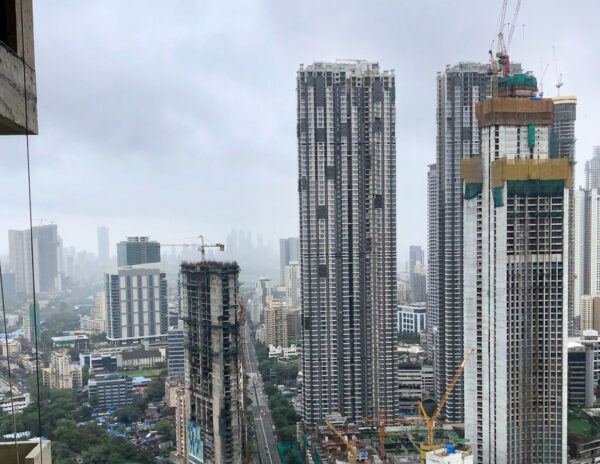
 As India strides confidently towards its centenary year of independence, a remarkable transformation looms on the horizon one that transcends conventional expectations.
While the Naredco-Knight Frank analysis has forecasted a staggering growth of the Indian real estate market to USD 5.8 trillion by 2047, a different facet of this evolution lies in the reimagining of urban landscapes.
Beyond the numbers and projections lies a narrative of urban spaces that adapt, inspire, and empower.
Picture cities that seamlessly blend technology and sustainability, where skyscrapers serve as vertical forests and communal spaces foster human connections.
This vision echoes the spirit of a nation that has embraced innovation as a cornerstone of its progress.
The metamorphosis of the real estate sector is propelled not just by numbers, but by the potential to redefine urban living.
As the world witnesses shifts in work paradigms, India’s real estate canvas paints a story of flexible co-living and co-working spaces that cater to the dynamic needs of a digital society.
The pandemic served as a catalyst, propelling the real estate sector to reimagine spaces that prioritize well-being and inclusivity.
Health-centric designs, green initiatives, and interactive neighborhoods are reshaping the landscape, steering it towards a utopia of functionality and aesthetics.
Well overall, the Indian real estate narrative reaches beyond predictions and percentages. It unfurls a tapestry of innovation, sustainability, and adaptability.