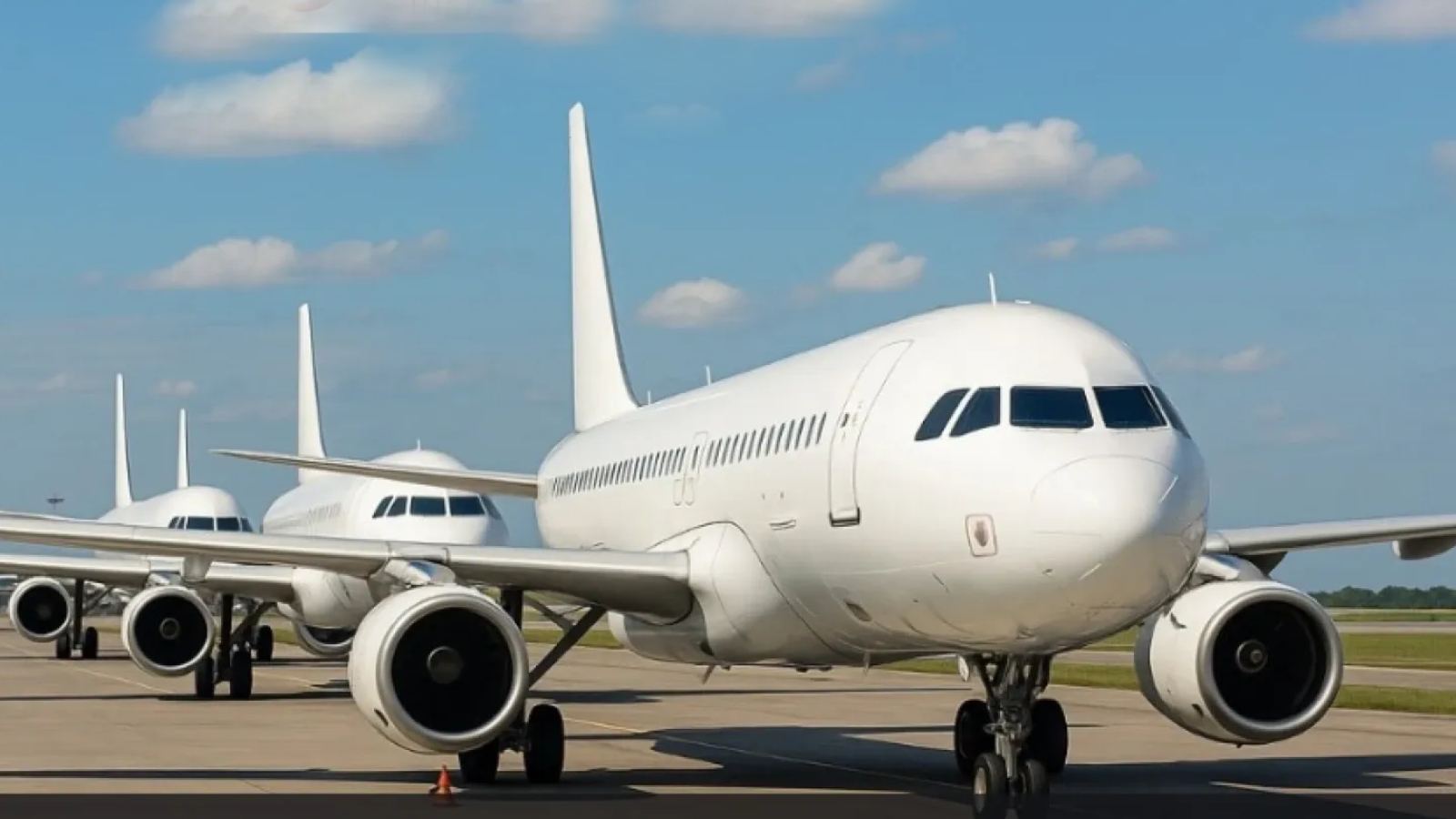
India’s aviation sector has seen major changes over the past decade. Rising costs and operational challenges have forced several airlines to exit the market, raising concerns about the industry’s long term stability.
According to recent data shared in Parliament, 11 airlines have shut down operations since 2016. The update was provided by Murlidhar Mohol in the Rajya Sabha.
He stated that airlines operate in a largely deregulated environment. Their survival depends on commercial viability, which has become difficult due to rising expenses and market pressures.
The sector is now moving towards consolidation. AirAsia India, rebranded as AIX Connect, has merged with Air India Express.
Similarly, Vistara, which was operated by Tata SIA Airlines Ltd., has been absorbed into Air India. This signals a shift towards fewer but stronger players.
Despite consolidation, financial liabilities remain a concern. Kingfisher Airlines continues to have outstanding dues of over ₹380.51 crore to the Airports Authority of India.
Other airlines like TruJet also have pending dues, though smaller in comparison. Meanwhile, no outstanding payments have been reported for Jet Airways and Go First.
These developments reflect the challenges faced by the aviation sector. High operating costs, fluctuating fuel prices, and intense competition continue to impact airline sustainability.
In the long term, consolidation may improve financial stability. However, it could also reduce consumer choice if the market becomes too concentrated.
The Telugu film industry is witnessing an interesting phenomenon where the disciples of Sukumar are…
Starting October 1, the United States have expanded their social media vetting rules. Under the…
