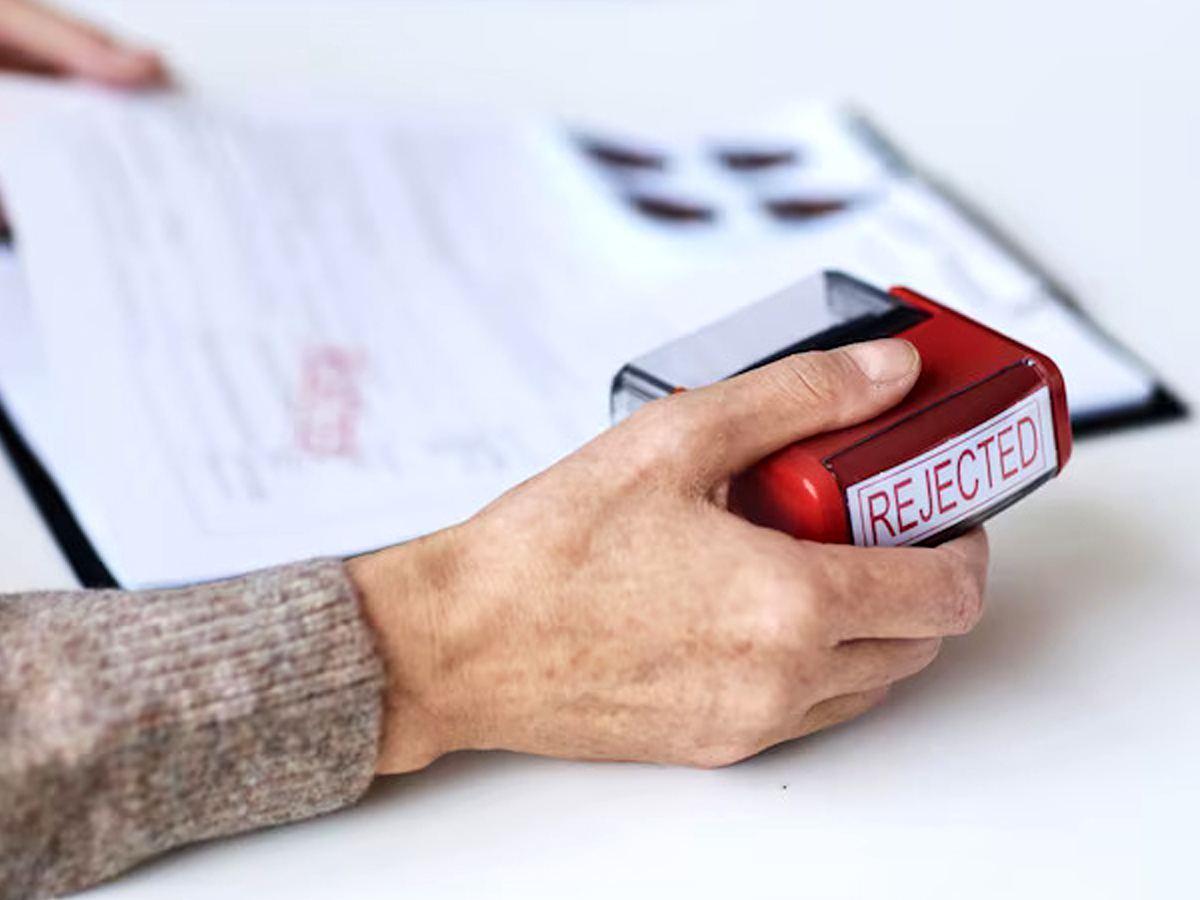
An international student is feeling anxious as his F-1 visa interview in Berlin approaches. His biggest fear? That his relationship with an American girlfriend might get his visa denied.
He has planned carefully—study in the US, finish college, and then return to Germany to work. But his temporary plan to stay with his girlfriend while looking for an apartment could complicate things. He worries this minor detail might lead the officer to suspect immigration intent.
His concern isn’t unfounded. U.S. consular officers are trained to look for potential immigrants, and dating a U.S. citizen often raises red flags. Even if the applicant is sincere, officers may assume marriage and permanent stay are possible outcomes.
The student insists his girlfriend is even willing to move abroad, but consular officers tend to focus on objective proof — strong ties to the home country, clear financial plans, and no hidden agenda to stay back in the U.S.
Though U.S. visa rejections are common, German passport holders typically face fewer denials. This has led many to suggest not volunteering relationship details unless directly asked during the interview.
Ultimately, the F-1 visa process is unpredictable. Success depends on how clearly the applicant communicates genuine intentions without triggering immigration concerns.
The White House has cleared a proposed overhaul to the PERM employment-based green card program.…
For a film marking the collaboration of Venkatesh and Trivikram Srinivas, Adarsha Kutumbam is perhaps…
