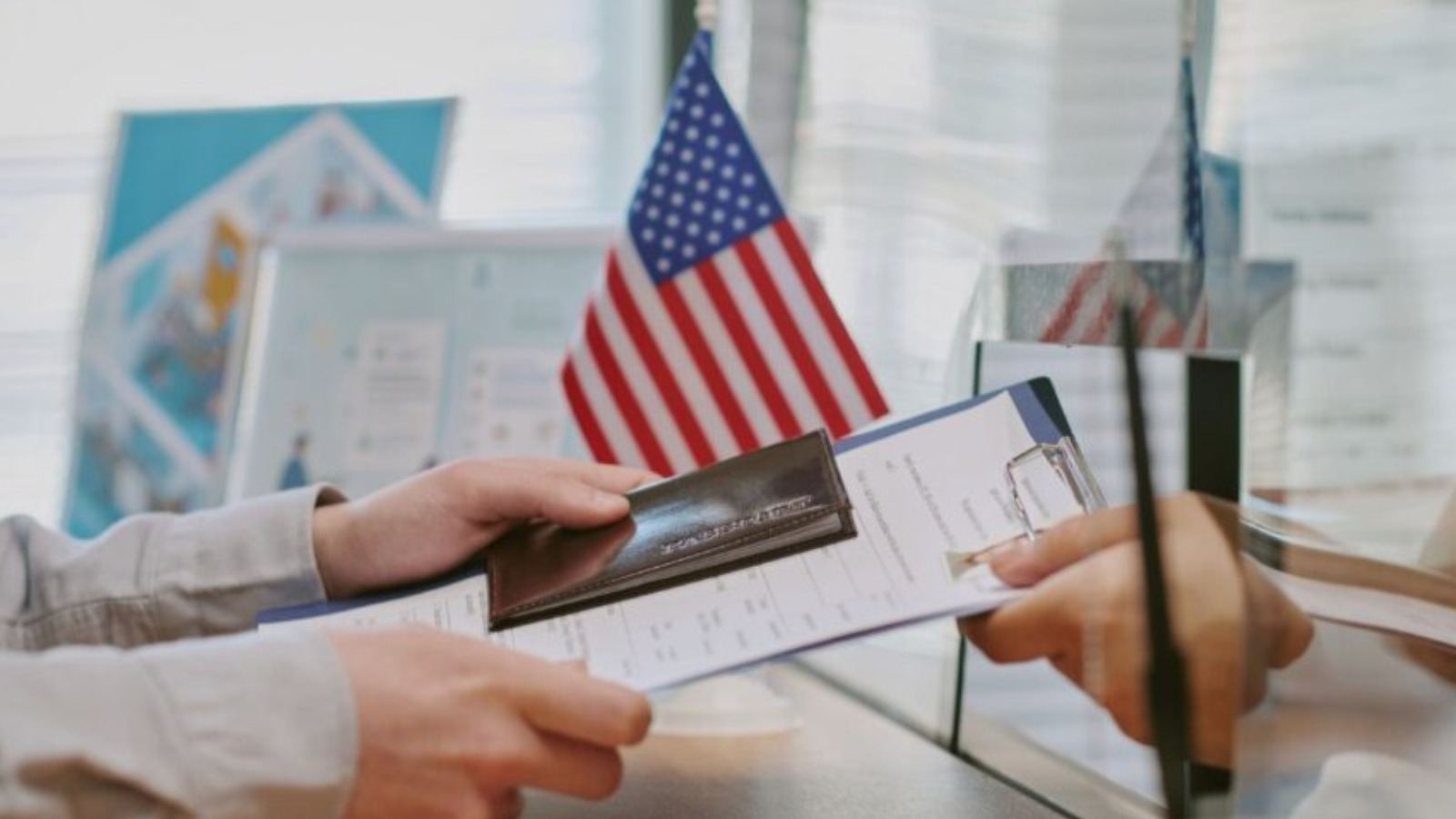
An unexpected visit from the US Citizenship and Immigration Services has become a growing concern for many H-1B workers. A recent case highlights how even a short personal trip during remote work can trigger questions during a routine verification visit.
An H-1B visa holder said a USCIS officer arrived at the home address listed as the official worksite. The officer reportedly conducted the visit for verification purposes. At that time, the worker was away from the address and visiting family in another state.
According to the worker, the trip lasted about two weeks and remote work continued during that period. However, the worker was not physically present at the home address mentioned in visa records when the officer arrived for the inspection.
The officer reportedly asked for documents showing that the worker was on leave that day. Even during remote work, officials may expect the worker to be present at the worksite listed in the petition. In this case, the registered worksite was the worker’s home.
The visa holder is now planning to consult the employer’s immigration lawyers for guidance. The situation has raised fresh questions about how remote work is interpreted under the H-1B visa system.
Some observers pointed out that remote work does not always allow employees to work from any location. In many cases, the place listed in the Labor Condition Application, or LCA, is treated as the official worksite for the visa holder.
This means even short periods of work from another location can raise compliance questions. The issue may arise if the employer has not formally recorded or updated the worksite in official documents.
In recent years, USCIS has increased worksite inspections through its Fraud Detection and National Security unit. These surprise visits aim to confirm that H-1B workers are employed at the locations listed in their petitions.
Experts say workers and employers should carefully report official worksites and maintain proper records. Clear documentation can help avoid confusion during inspections and ensure compliance with immigration rules.