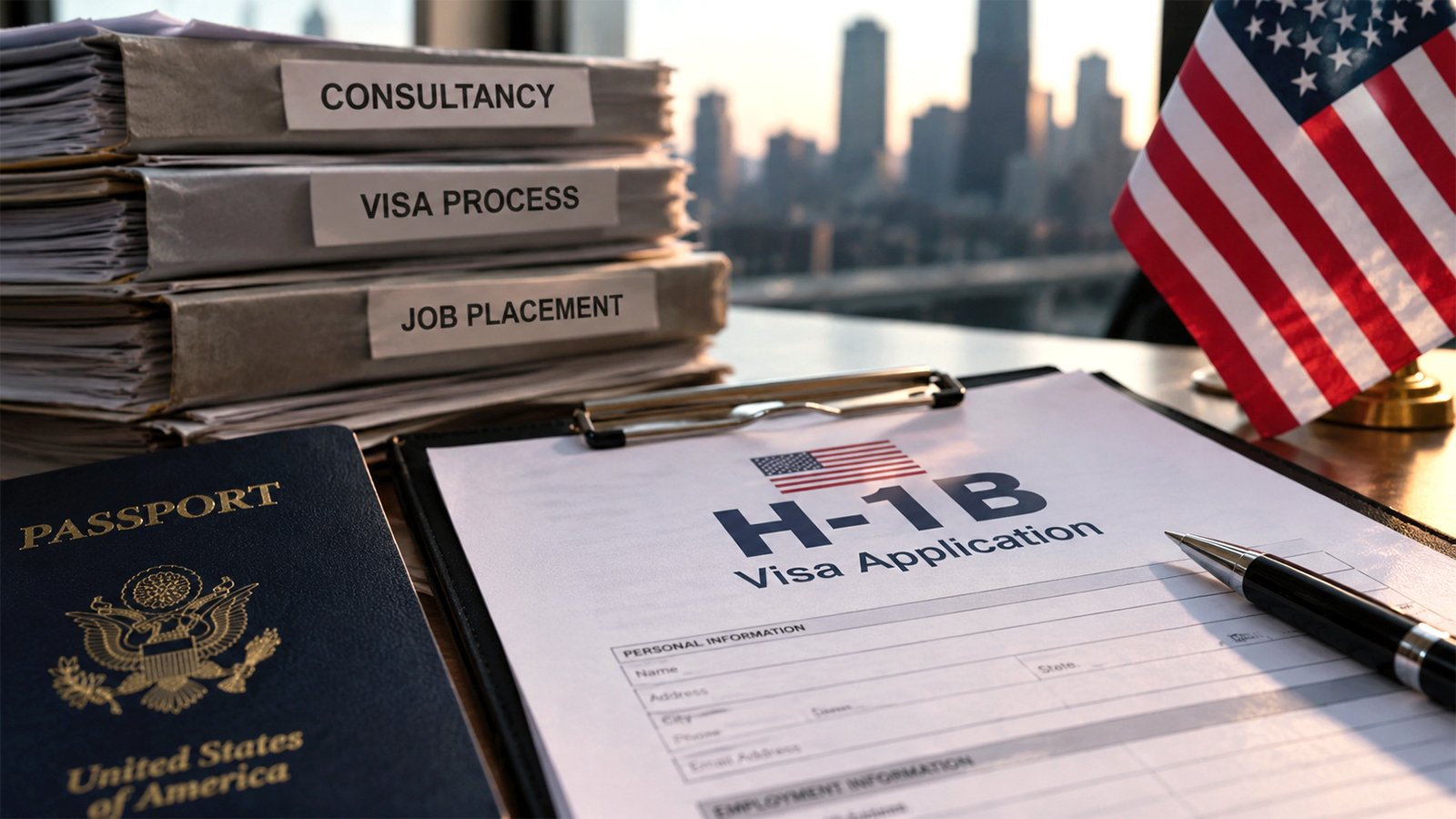
The new weighted H-1B lottery opens for registrations on March 4. This is the first year under the revised system that gives better odds to higher paid workers. Companies relying on foreign talent are already preparing for possible setbacks.
Under the new model, applicants are registered based on salary level. Each wage level determines the number of entries into the lottery. As a result, Level 1 workers face significantly lower chances.
Level 1 wages usually apply to recent graduates and entry level professionals. According to the US Citizenship and Immigration Services, their selection chances may be around 15 percent. In contrast, Level 4 applicants could see odds as high as 61 percent.
A new 100,000 dollar fee will also apply to many employers hiring H-1B workers from outside the US. This adds further pressure on companies. Many are now reviewing hiring strategies.
Immigration lawyers say firms are preparing backup options earlier than before. Some employers are exploring O-1 visas meant for extraordinary ability. Others are checking country specific routes such as the TN visa, though it does not apply to Indians.
Green cards remain another pathway. However, Labor Department backlogs for Indian applicants make it a long and uncertain process. Waiting times continue to discourage many candidates.
Reports indicate that some companies considered raising salaries to improve lottery odds. But mismatched wages and job roles can trigger scrutiny or rejection. Authorities are closely monitoring such moves.
The agency has warned that suspicious job changes after approval will be examined carefully. Shifting an employee to a higher paying location only to increase chances may create legal trouble.
Critics argue that the wage based system affects thousands of graduates, including many Indians who invest heavily in US education. If restrictions tighten further, US universities may lose their appeal. As registrations open, both employers and applicants are bracing for uncertainty.