Nani’s The Paradise is holding steady at the box office despite mixed reactions from the audience. The film is reportedly on course to cross the Rs. 125 crores gross mark by the end of its first weekend, which is not a bad result considering the divided talk.
However, the film has faced backlash for several creative choices, particularly the way the heroine’s character has been presented.
Interestingly, director Srikanth Odela addressed one of the film’s most trolled moments in a post-release interview with Nani. The scene involves Subbu, played by Kayadu Lohar, being called a “single-take artist” by her mother while she is shooting steamy scenes for an adult film.
Many viewers found the dialogue strange and even offensive. Srikanth Odela explained that the line actually had an emotional context. Subbu’s mother had dismissed her acting ability when she was younger, and the dialogue was supposed to represent an ironic realization of how talented she had actually become. But the backstory explaining that emotion was removed during editing to control the runtime. As a result, the setup disappeared while the dialogue remained. What was supposed to be an ironic and emotional payoff ended up looking bizarre to many viewers.
This brings up an interesting comparison with another film.
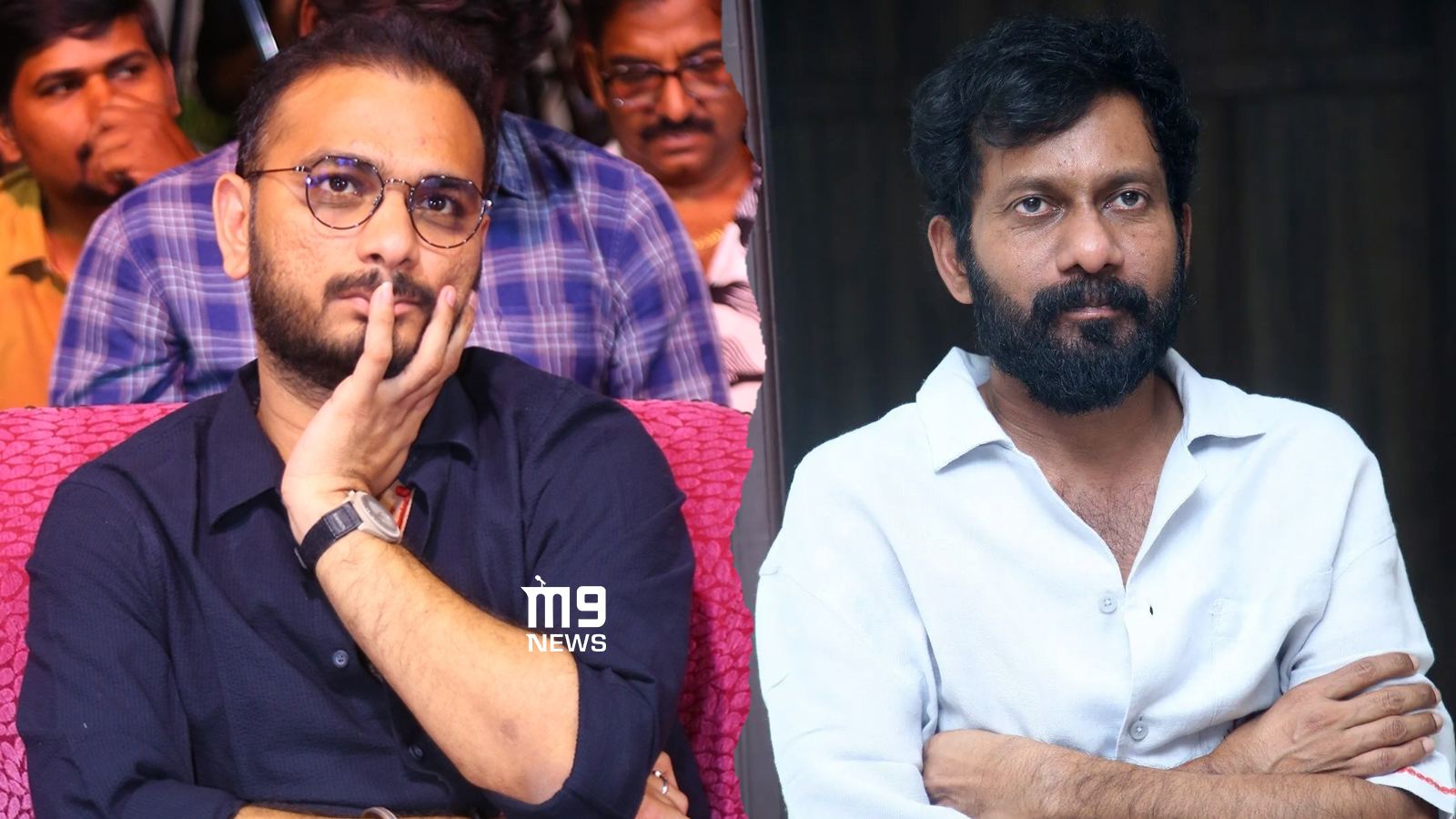
Both Srikanth Odela and Buchi Babu Sana came into the industry after working with Sukumar. Both directors made a successful debut with Dasara and Uppena, respectively. Both then got huge opportunities with Nani and Ram Charan. But their second films, The Paradise and Peddi, have both struggled to meet the huge expectations created by their debuts.
Also, the way the female characters were written and presented has become a talking point in both films.
In Peddi, Janhvi Kapoor‘s character was slammed for having limited importance to the story and being presented largely as a tool to titillate the audience. Buchi Babu later made changes to her portions after the backlash.
Kayadu Lohar’s Subbu’s several scenes have attracted attention more for their presentation and glamour than for the character itself. The scenes involving her mother, including the controversial “single-take artist” dialogue, have also become easy targets for social media trolling.
Ironically, both directors seem to have stumbled around the same issue in their second films: how the heroine’s character is written and presented within a larger male-driven commercial narrative.