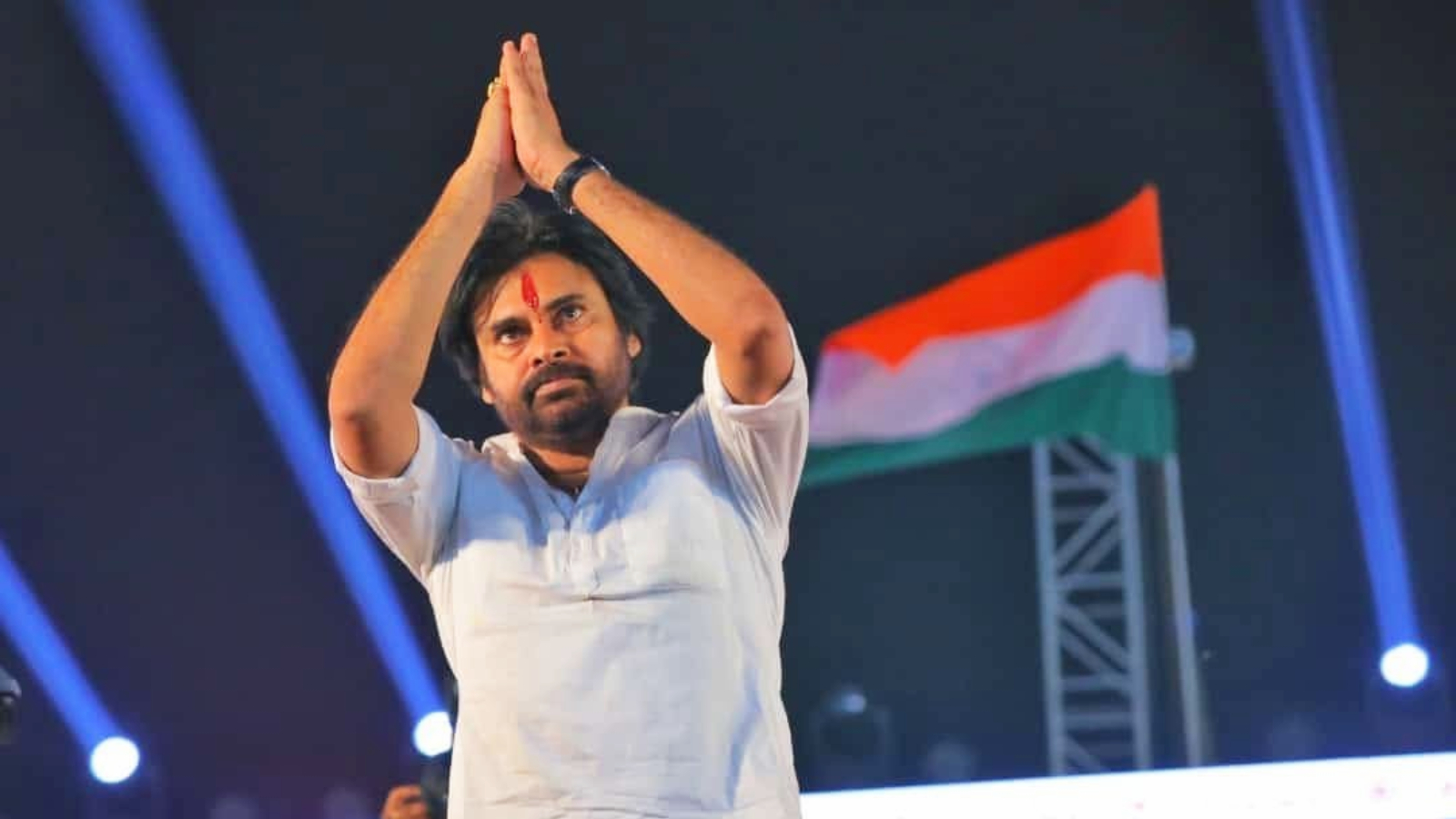
The decision by Janasena Chief Pawan Kalyan to allow party leaders and cadre to contest in Gram Panchayat elections independently has raised a larger political question about the party’s future within the NDA alliance. While TDP, JanaSena and BJP contested the recent municipal, MPTC and ZPTC elections together, the approach to village-level elections is now different. This does not necessarily indicate a rift, but it allows Janasena to assess its own grassroots strength.
Will Janasena seek greater political independence?
Pawan Kalyan‘s decision appears aimed at expanding the party’s presence across villages. By allowing interested leaders, Jana Sainiks and Veera Mahilas, to contest without seat-sharing restrictions, and arranging special help desks to support candidates, Janasena is giving its cadre greater political space. These elections could help the party identify influential local leaders and understand how much support it can command independently.
The bigger question is what happens if Janasena-backed candidates perform strongly. Such a performance could improve Pawan Kalyan’s bargaining position within the alliance. Janasena may seek a larger share of seats and greater political representation in future elections. It could also encourage the party to build an identity that is not entirely dependent on its alliance with TDP.
Meanwhile, Chandrababu Naidu is encouraging unanimous panchayat elections by offering incentives ranging from Rs 15 lakh to Rs 50 lakh, depending on village population. These incentives are available to all the villages that meet the conditions, irrespective of political affiliation. This approach is intended to encourage consensus and reduce election-related expenses and rivalries.
The contrast is significant. Chandrababu is promoting consensus, while Pawan is giving Janasena workers the freedom to contest independently. The election could reveal its actual village-level strength and influence the alliance’s political equation ahead of 2029.