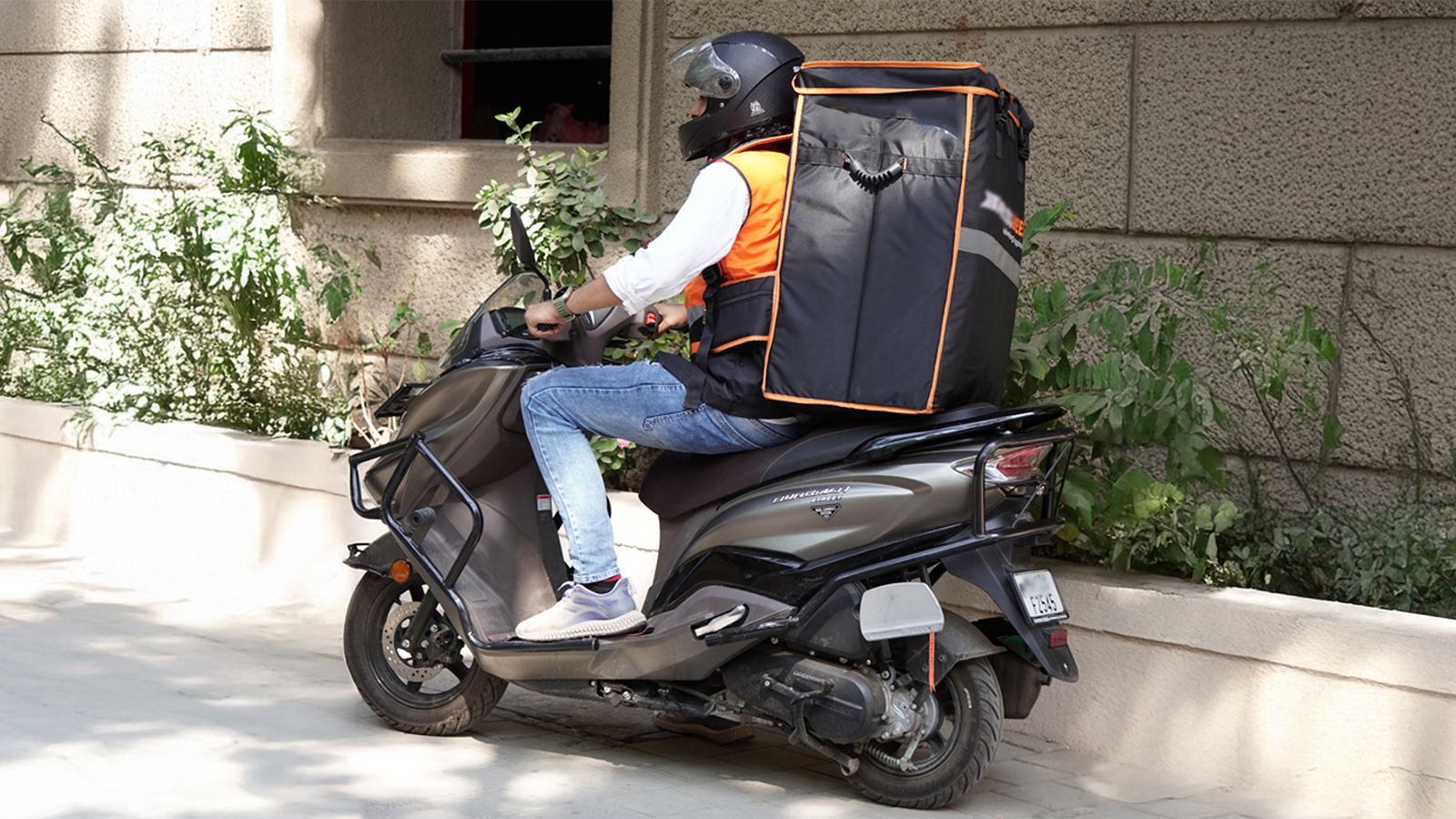
The gig economy offers flexibility for workers and quick service for customers, but income often remains unstable and protections stay limited. As platforms expand across cities worldwide, debates continue around fair pay and long term sustainability for delivery workers.
Global delivery platforms like Uber Eats and DoorDash have changed daily life in major cities. Despite this growth, questions around worker earnings persist. Comparisons between countries reveal sharp differences in how governments regulate gig work.
In New York, a recent rule requires grocery delivery apps to pay at least 21.44 dollars per hour, roughly 2,000 rupees, excluding tips. This ensures workers earn a minimum amount even during slow hours or long waiting periods.
The rule offers income stability in a high cost city where expenses remain steep. It also signals a shift toward treating gig workers closer to employees rather than contractors. Such protections aim to reduce uncertainty in daily earnings.
India presents a very different picture for delivery workers. Riders on platforms like Zomato and Swiggy usually earn between 15 and 40 rupees per order. There is no fixed hourly wage, and income depends on distance, demand, and short term incentives.
A ten kilometre delivery may earn around 30 rupees on a busy day, but earnings can fall sharply during low demand. Without income guarantees, workers often extend their working hours just to meet fuel costs and basic needs.
This pressure is more visible in large cities like Mumbai and Delhi, where distances are long and expenses keep rising. Many riders struggle to balance time, income, and physical strain under the current system.
India’s model supports a price sensitive market and rapid platform growth, but it also increases the risk of burnout and inequality. While companies benefit from flexibility, workers absorb most of the financial uncertainty.
Some policy experts argue that India could draw lessons from New York. A modest hourly wage floor, adjusted to local costs, may offer relief without harming platforms. Fair pay remains central to building a sustainable gig economy.
The Department of Homeland Security (DHS) has proposed a new rule. This rule is set…
Ram Charan is going through a rare slow phase in his busy life. He is…
