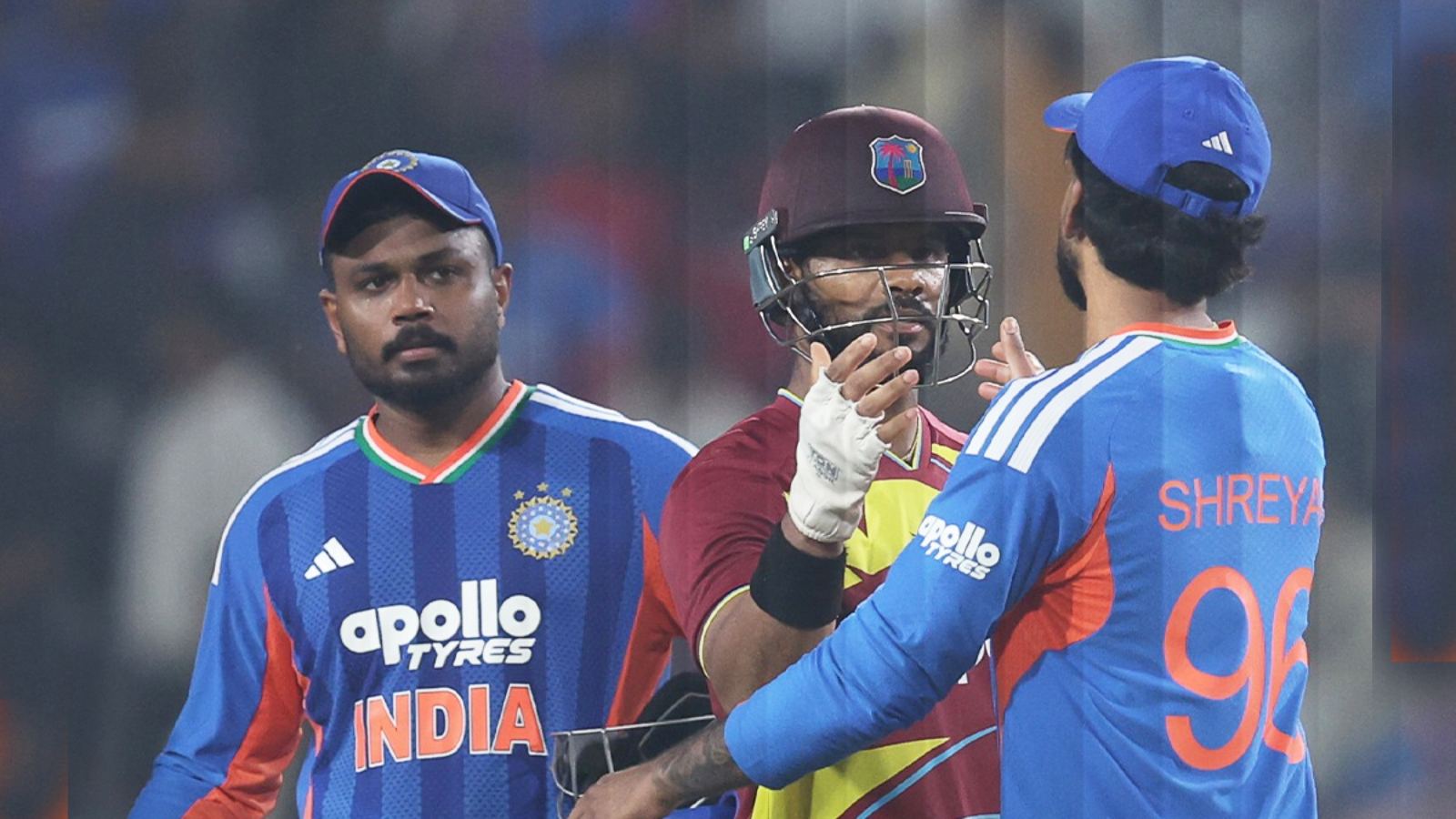
India scored 249/5 against West Indies in the second T20I in Ranchi, but the total was chased down with two overs to spare.
Shai Hope scored a century, while Sherfane Rutherford smashed 84 off just 37 balls. It was the highest successful T20I run chase against India, and it raised another big question about the pitches being prepared in India.
BCCI seems to be going too far with batting friendly pitches. It is no longer just about making good batting surfaces.
These are ultra flat pitches where scoring 250 in T20Is or chasing 400 plus in ODIs is becoming possible. When even 249 is not enough to defend, what chance do bowlers really have?
The bigger concern is what happens when Team India plays in other countries. Indian batters are used to conditions where the ball comes nicely onto the bat, but overseas pitches can offer pace, bounce and movement.
That is where the team can get exposed. If Indian cricket keeps focusing on flat pitches at home, will the players be ready when conditions are completely different abroad?
Sunil Gavaskar also questioned India’s bowling effort after the defeat. He said the batters could not be blamed for scoring 249 and suggested that the bowling coach should be asked whether the bowlers followed their plans.
Varun Aaron questioned the decision to give Axar Patel the fourth over in the Powerplay, saying India should have continued with pace.
Captain Shreyas Iyer also admitted that dew made it difficult to judge a par score. If pitches keep giving batters such an advantage, cricket risks becoming a contest of who hits more boundaries rather than who bats and bowls better. BCCI needs to think about whether Indian pitches are offering a fair contest between bat and ball.