Movie promotions have always been part of the film industry. Producers spend heavily on advertising, trailers, interviews and promotional events to attract audiences. However, a disturbing trend has emerged over the last few years. Paid promotions are increasingly being presented as genuine movie reviews, making it difficult for audiences to trust film criticism.
YouTube initially changed the game around 2015-16. It gave ordinary movie lovers a platform to share honest, ground-level opinions. Audiences found reviewers who spoke more openly and honestly about a film’s strengths and weaknesses.
But the same platform is now facing a credibility crisis.
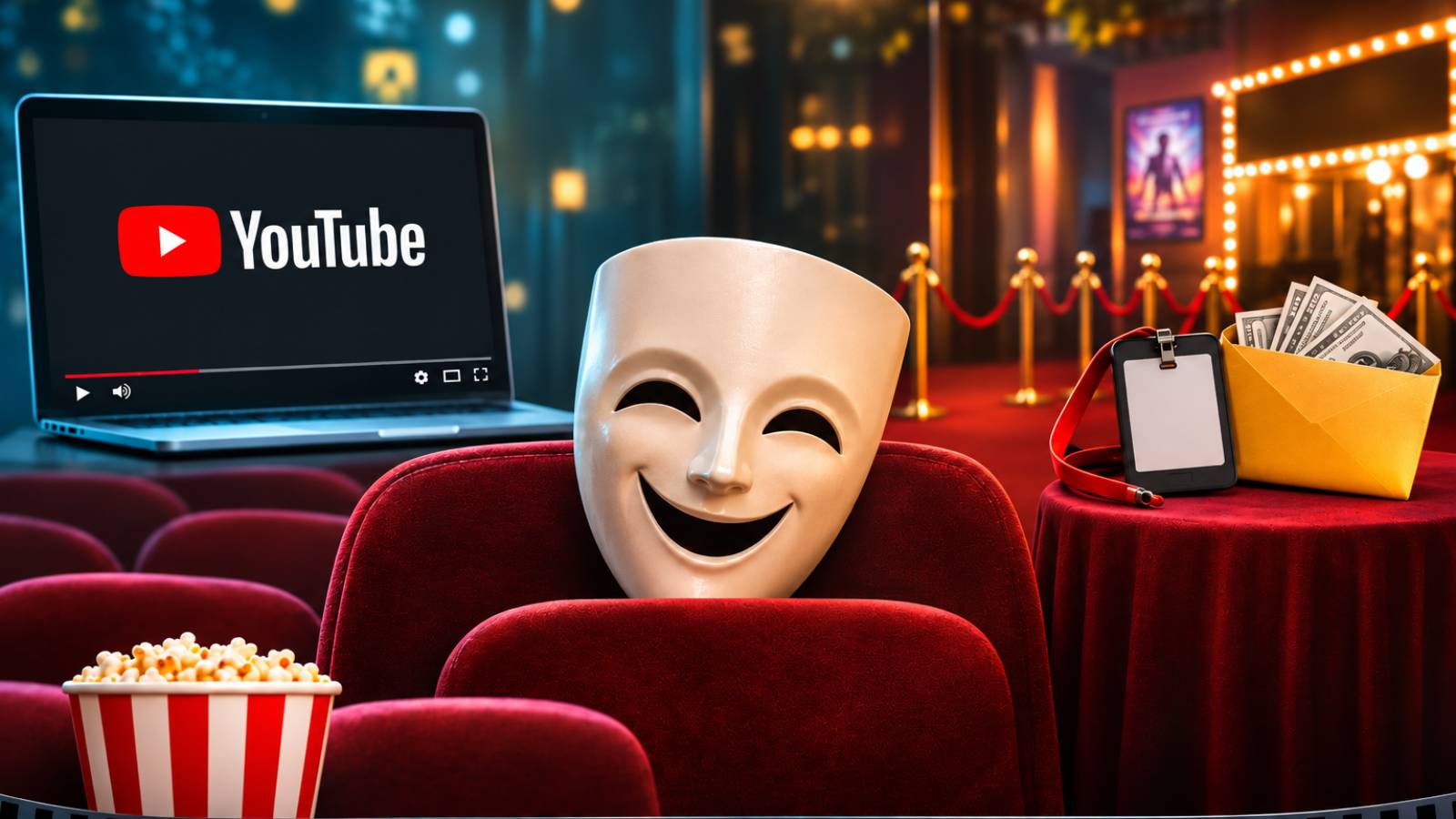
Over the last three to four years, paid reviews and promotional content have increased significantly across YouTube, Instagram and Facebook. Several creators are accused of giving unusually high ratings to films that audiences later reject. The problem is not accepting money for promotions. The problem is pretending that paid content is an independent opinion.
Many reviewers have also become dependent on film premieres, PR teams and industry relationships. A harsh review could mean losing access to future events or damaging professional relationships. As a result, some creators choose the safer route of praising films rather than honestly evaluating them.
The hypocrisy within the community makes the situation worse. Some creators allegedly accept money for reviews but publicly troll others for doing the same. Meanwhile, genuinely honest reviewers are often accused of being paid whenever they give an opinion.
This creates an environment where nobody trusts anybody.
The biggest victims are moviegoers. They rely on reviews to decide whether to spend their money and time in theatres. When promotional content is disguised as genuine film criticism, audiences are misled.
Paid promotions are not going to disappear. But transparency is essential. If a review is sponsored, audiences deserve to know. If a creator is genuinely expressing an opinion, that opinion should not be compromised by PR pressure or fear of losing access.
Film criticism should serve audiences, not producers, PR agencies or promotional campaigns. Once that trust is lost, rebuilding it will be far more difficult than making another blockbuster.