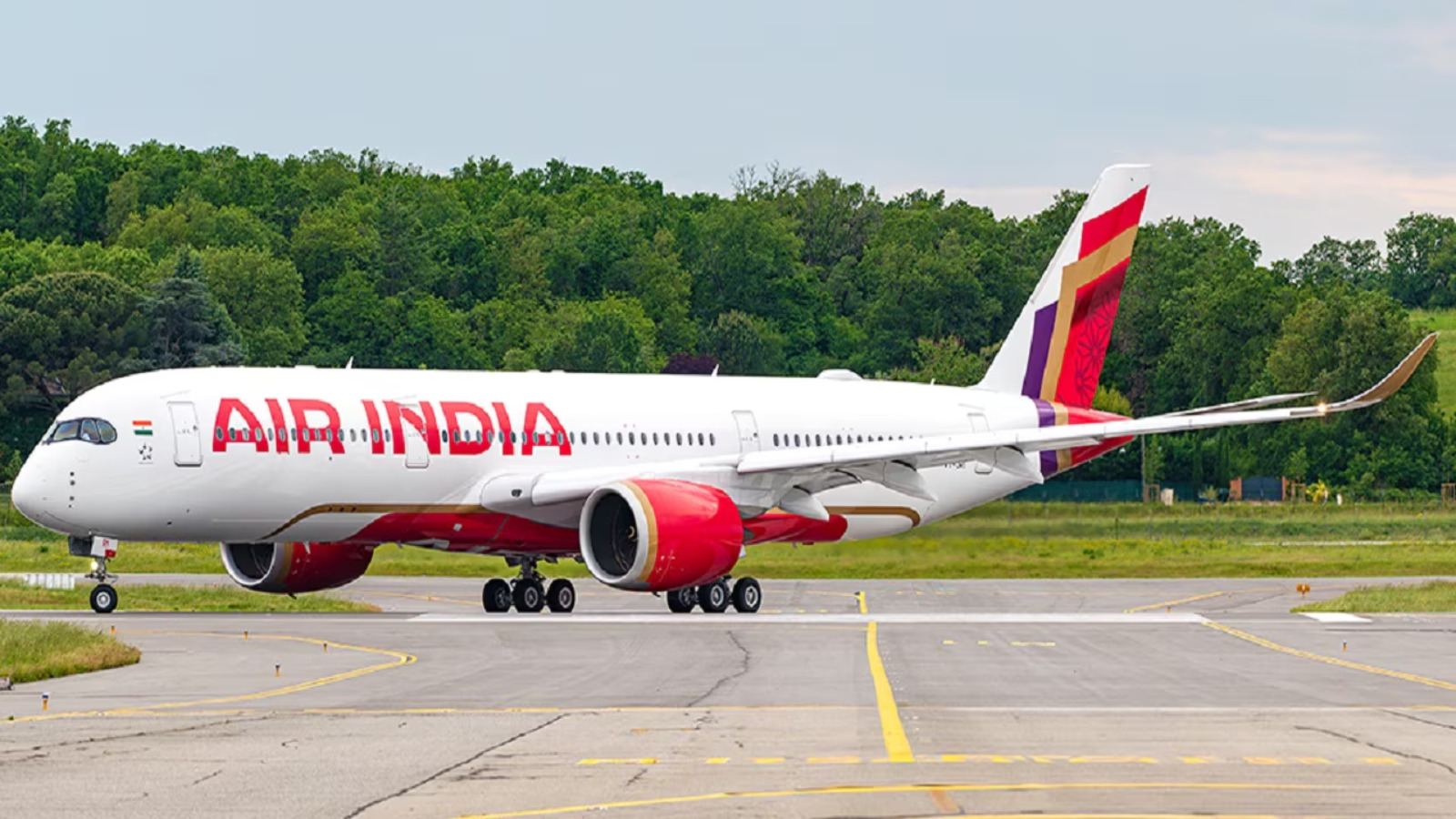
Air India is under scrutiny after a Boeing 787 Dreamliner flight took off from London Heathrow to Bengaluru despite concerns over a fuel control switch. The Air India 787 fuel switch fail has drawn attention from the UK aviation regulator. You expect clarity when safety systems show irregular behaviour.
The United Kingdom’s civil aviation authority has asked Air India to explain why the aircraft was cleared to operate before maintenance fully resolved the issue. Regulators have warned that further action will follow if the response is unsatisfactory. The focus remains on safety accountability.
Air India 787 Fuel Switch Fail Raises Safety Questions
The incident occurred on February 1, 2026, during engine start checks. The flight crew noticed one fuel control switch did not stay latched in the “RUN” position. After additional handling, it locked correctly and the flight continued without issues.
Once the aircraft landed, the crew recorded the observation in the post-flight defect report. Air India engineers then grounded and inspected the aircraft. This step followed standard procedure after a reported technical concern.
Why Fuel Control Switches Matter
Fuel control switches regulate fuel flow to the engines and are critical to safe operations. Any unexpected movement toward the cutoff position is treated as a serious risk. You rely on these systems to work without doubt.
The Air India 787 fuel switch fail has gained sensitivity due to past incidents. A fatal Air India Dreamliner crash in June 2025 killed 260 people and also involved scrutiny of similar components.
Regulator Response and Industry Reaction
Air India has stated that it inspected fuel control switches across its Boeing 787 fleet and found no defects. The airline also referred the issue to Boeing for technical guidance. India’s aviation regulator has backed inspections and stressed strict operating procedures.
Some observers say that even minor uncertainty should lead to conservative decisions. The UK regulator has demanded a root cause analysis and preventive plan. This episode reinforces why transparent communication matters when passenger safety is involved.