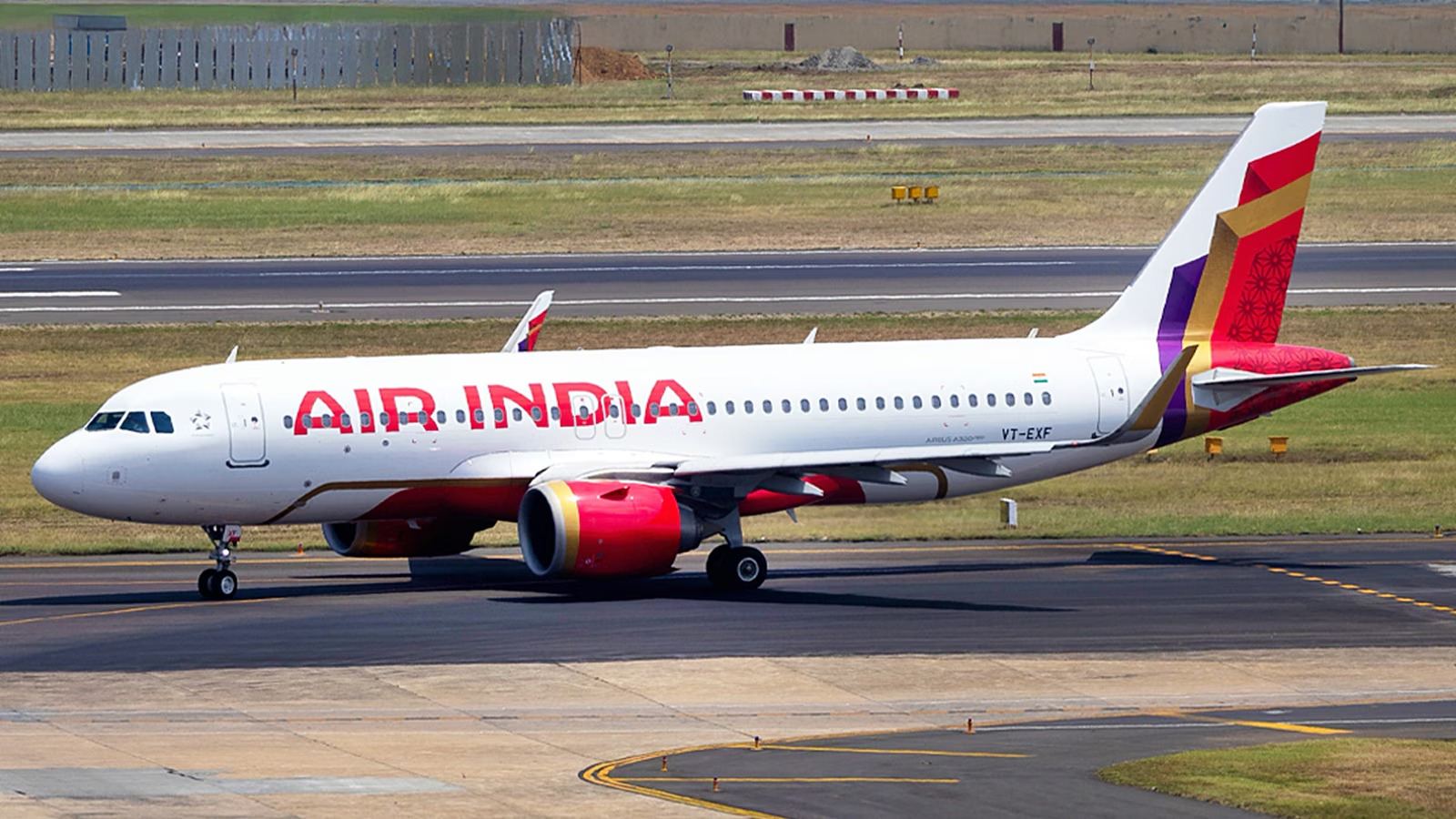
The Air India dress code controversy began after a viral claim spread widely on social media. Many users believed the airline had introduced restrictions on cultural symbols. However, the situation turned out to be different from what was initially reported.
The issue started when screenshots of an alleged Air India grooming handbook circulated online. These images claimed that cabin crew were not allowed to wear items like bindi, Sindhoor, tilak, bangles, and kalaava. This quickly caught public attention.
Since these symbols are deeply connected to Indian culture and identity, the claims triggered strong reactions. Many users criticised the airline and questioned why such expressions should be restricted. The debate soon gained momentum across various social media platforms.
As the controversy grew, Air India issued an official clarification. The airline stated that there is no current ban on wearing a bindi. It explained that the viral screenshots were from outdated guidelines that are no longer in use.
This clarification changed the narrative around the issue. What appeared to be a cultural restriction was actually a case of misinformation. Old documents were shared without context, leading to confusion and unnecessary outrage among the public.
There is no new rule that bans bindi or similar symbols for cabin crew. The incident highlights how quickly misinformation can spread online. It also shows the importance of verifying facts before reacting to viral claims.