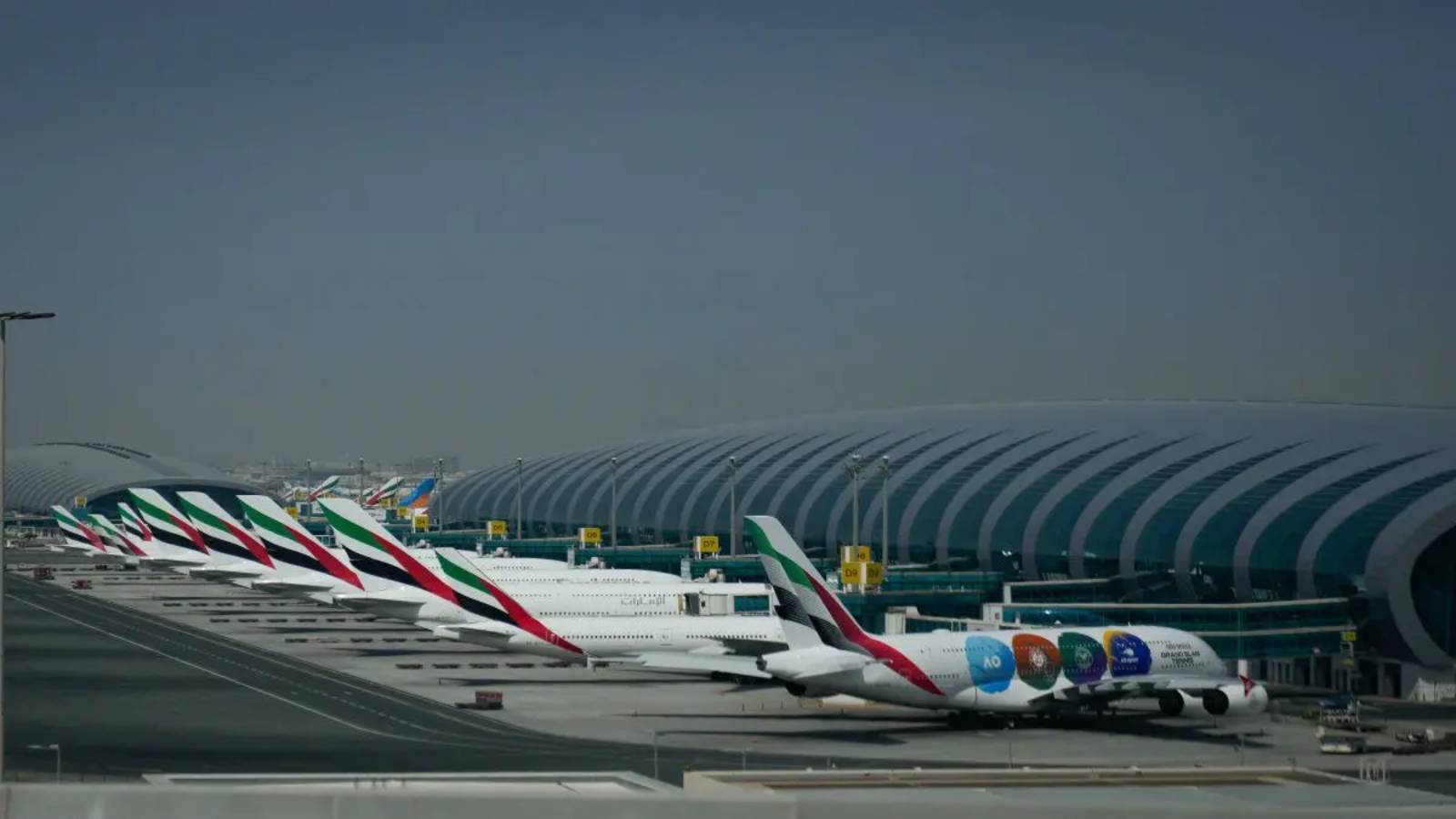
Air travel across the Middle East remains volatile after US and Israel strikes on Iran and subsequent retaliatory attacks. The developments disrupted key Gulf aviation hubs. Major transit routes through the region have been affected.
Several flights were suspended following temporary airspace closures. The disruption severely impacted transit traffic through Dubai International Airport and Abu Dhabi. Thousands of passengers faced delays and cancellations.
Major UAE based carriers have now begun limited resumptions of services. Emirates, Etihad Airways and Flydubai are operating select flights in coordination with authorities. The move signals cautious progress amid uncertainty.
Emirates stated that it would prioritise passengers with confirmed bookings. The airline urged travellers not to head to the airport without direct notification. This measure aims to avoid further congestion.
Etihad Airways operated select departures from Abu Dhabi to clear transit backlogs. Flydubai also resumed limited evening services. However, full scale normal operations are yet to resume.
The disruption extended beyond the Gulf and affected travellers across Europe, Asia and the Middle East. Governments issued travel advisories in response to the evolving situation. In some regions, evacuation efforts were also initiated.
While limited services indicate gradual recovery, the situation remains fluid. Airlines continue to monitor developments closely. Passengers may need to wait a few more days to assess whether conditions improve or worsen.
The negativity around Yami Gautam and Balaji Mohan's upcoming film Nayyi Navelli has started much…
Generally, when a sequel for a blockbuster film is about released, there is a lot…
