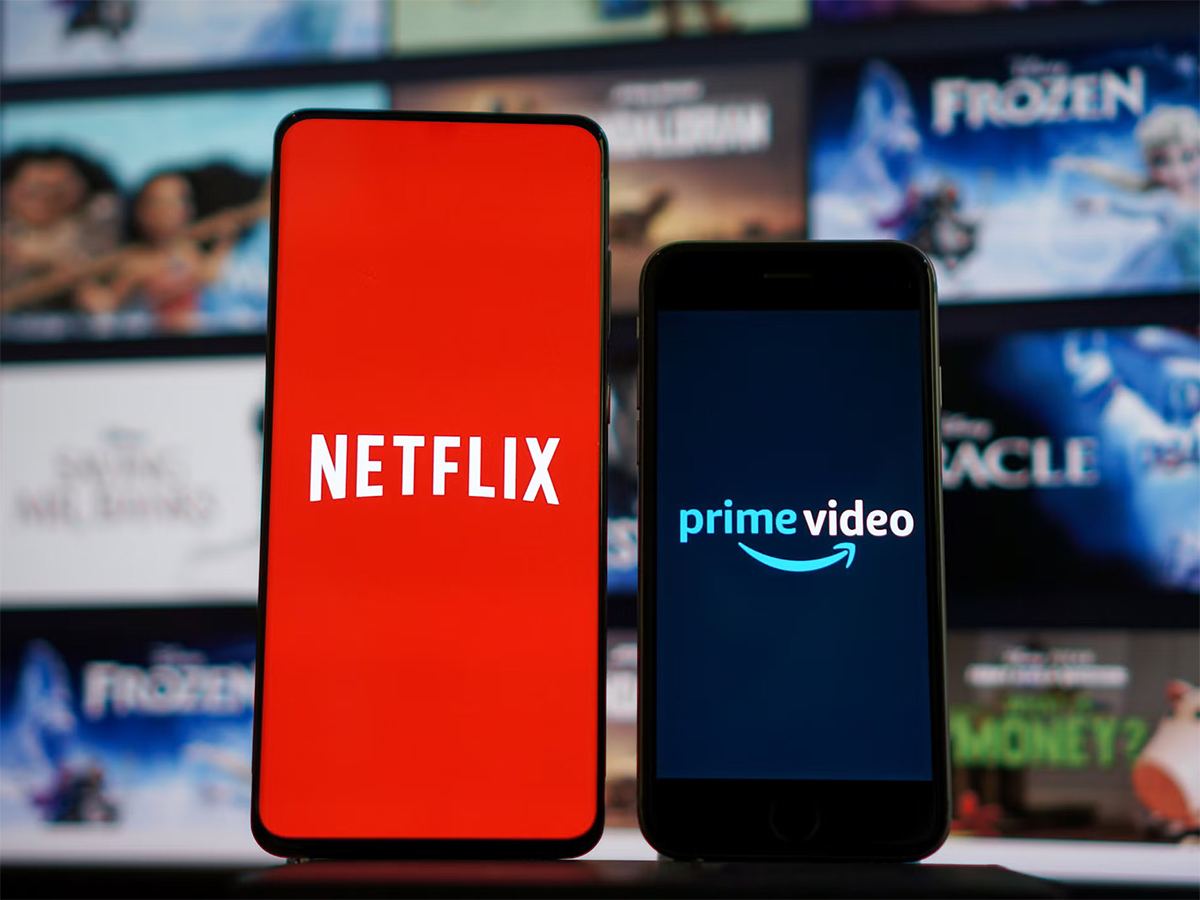
With platforms like Ullu, ALTT, and 25 other OTT apps recently banned by the Indian government for hosting explicit material, many users are speculating whether streaming giants such as Netflix and Prime Video could be next. The move has sparked widespread discussion about censorship and content standards in the digital entertainment industry.
In a surprising decision aimed at curbing obscenity on digital platforms, the Ministry of Information & Broadcasting (MIB) issued a directive to block 25 OTT services along with their mobile applications. This action followed multiple reports from investigative agencies highlighting inappropriate material on several platforms.
Apps like Ullu, ALTT, and Desiflix were found to be allegedly promoting soft pornographic content, prompting authorities to take swift action. The government’s decision is seen as a step toward upholding cultural values and legal boundaries by discouraging explicit sexual content in digital entertainment.
Interestingly, many viewers have pointed out that even mainstream platforms such as Netflix, Prime Video, and JioHotstar sometimes showcase material that could be deemed explicit or obscene. These discussions have fueled speculation that larger OTT services might also face increased scrutiny going forward.
A growing concern among parents on social media involves the depiction of sexual content involving minors, which they believe could negatively influence children. The wide accessibility of content today makes such concerns valid, and the government’s crackdown has been perceived as a necessary intervention.
While the ban targets niche adult content apps, it also signals a warning for major OTT players. They may need to reconsider how their content is curated and presented, especially in a market sensitive to cultural and moral standards.
Elon Musk has become the first person in history to reach a trillion-dollar net worth,…
The Ramayana teaser has given audiences an idea of the scale Namit Malhotra is planning…
