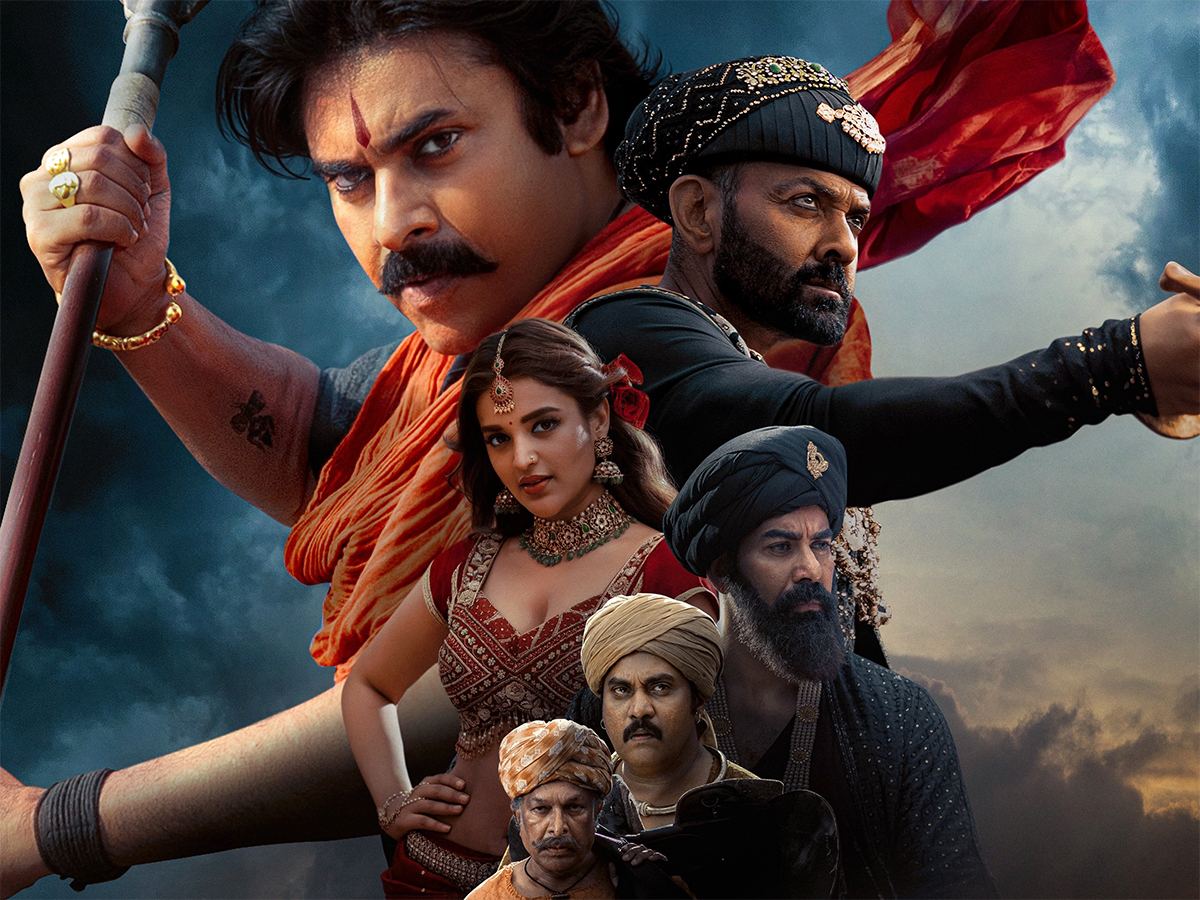
The upcoming release of Hari Hara Veera Mallu has once again brought the issue of ticket pricing in the Telugu states into sharp focus.
Over the past few years, especially after COVID-19, theater footfalls have steadily declined, posing a serious concern for the film industry.
Ironically, instead of encouraging audiences to return, producers and distributors often raise ticket prices for big films. This approach tends to discourage viewers even further.
Even senior producer Dil Raju recently admitted in an interview that this pricing strategy is flawed. However, no significant changes have been implemented so far.
For Hari Hara Veera Mallu, starring Pawan Kalyan, the Andhra Pradesh government has already issued a G.O. allowing a special ticket price hike.
While a modest increase of Rs.50–Rs.100 might be understandable for a major release, the current hike is unusually steep, raising concerns among trade circles and audiences alike.
For the first 10 days, single-screen theaters can increase lower-class ticket prices by Rs. 100 and upper-class tickets by Rs. 150.
In multiplexes, ticket prices may rise by as much as Rs. 200. This effectively doubles ticket costs, especially in single screens where the base price itself is typically Rs. 100–Rs. 150.
Though the government has permitted this hike, the final pricing depends on producers and distributors. If they fully exploit the allowed increase, it could hurt the film’s box office, particularly among family audiences who might feel priced out.
While big-ticket films often justify premium pricing, this level of increase could alienate family audiences who form a large part of the market.
Industry insiders warn that if the producers push for the maximum hike, it might reduce footfalls instead of boosting collections.
A balanced pricing strategy could be a safer bet, especially since the film’s success will rely not just on hype but also on word-of-mouth.
Industry experts suggest that adopting a moderate pricing strategy would be wiser. Such an approach could ensure better occupancy rates and a more positive audience response.