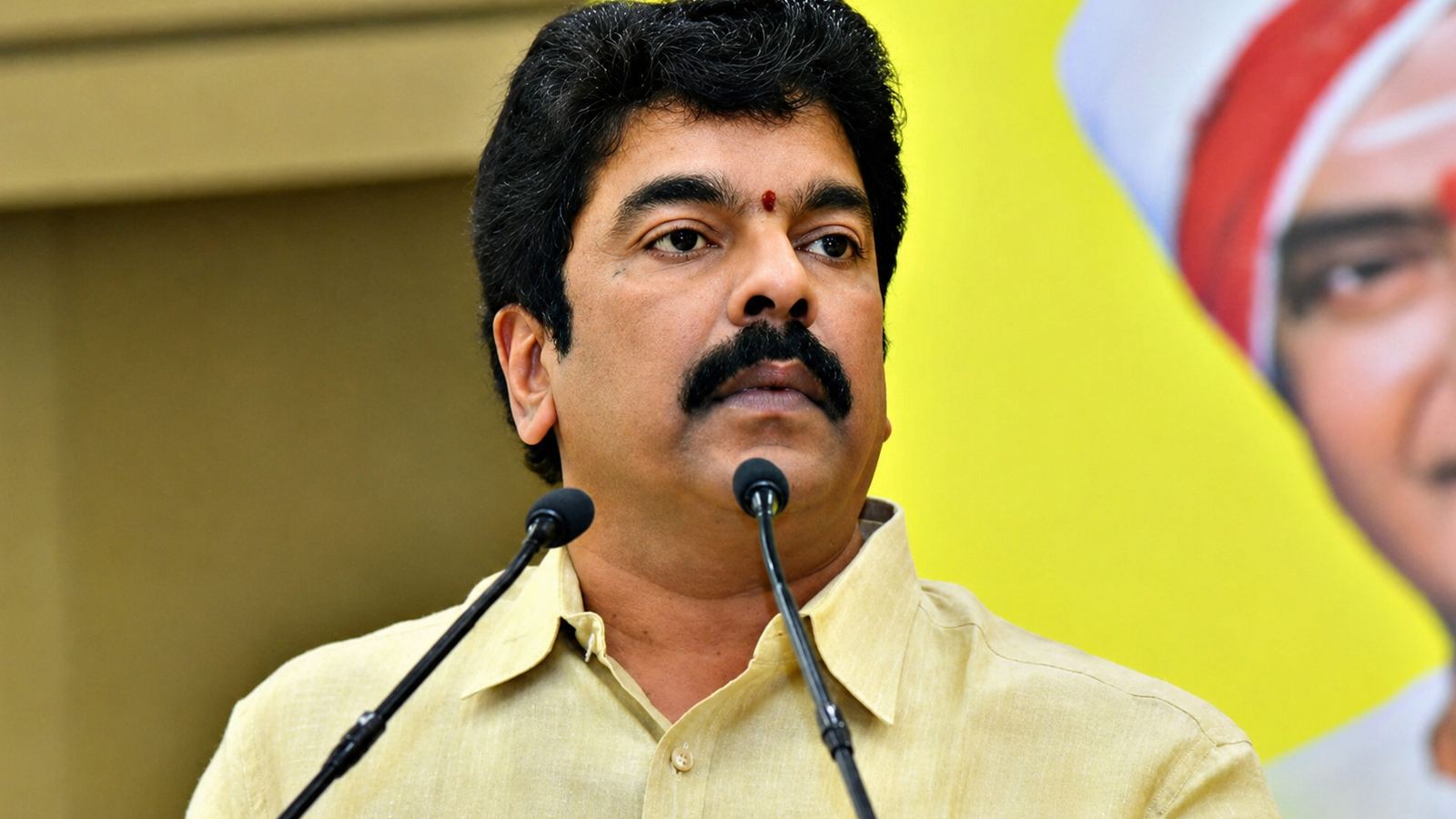
In recent times, Thaman has once again found himself at the center of online criticism, not just for his music, but for how he responds to feedback.
Every time a film releases, reactions around Thaman’s work tend to be polarized. While some praise his energy and mass appeal, others question the repetition in his compositions and background scores. That part isn’t new.
What’s drawing attention now is the pattern that follows.
Whenever criticism surfaces, Thaman’s responses, either directly or through indirect posts, often come across as defensive. Instead of acknowledging feedback, the tone sometimes feels dismissive, as if the criticism itself is being rejected rather than addressed.
That perception has led to a growing question among audiences:
Is Thaman open to feedback?
To be fair, this isn’t an easy space to operate in.
Social media criticism is often harsh, exaggerated, and sometimes even personal. For someone constantly in the spotlight, reacting to every comment constructively is unrealistic. There’s always a line between genuine feedback and noise.
But at the same time, consistency in criticism also signals something.
When similar feedback repeats across projects, whether it’s about background score loudness, similarity in tunes, or overuse of certain elements, it reflects audience perception, not just random negativity.
That’s where the expectation comes in.
Thaman has already proven his capability with multiple successful albums and strong background scores. The talent isn’t in question. What audiences are now looking for is evolution.
Because in an industry where music plays a crucial role, staying relevant isn’t just about delivering hits, it’s about adapting to changing tastes.
This is exactly why his upcoming projects become important.
With big combinations on the line, there is a clear opportunity for Thaman to reset the narrative. A strong, fresh album can quickly shift perception, regardless of past criticism.
So the question isn’t whether he faces criticism.
It’s how he responds to it, through words, or through work.
Because in the end, the best answer to feedback is not a reply.
It’s a better output.