Telugu audiences have always treated cinema as more than just entertainment. It is a habit, a celebration, and sometimes even a ritual. Many families used to watch at least one movie every week, and during festivals that habit doubles. Though that habit has reduced quite a lot due to the advent of OTTs, it’s still there. Among all seasons, Sankranthi is the biggest. Every year, two or three major films release and theatres usually run housefull.
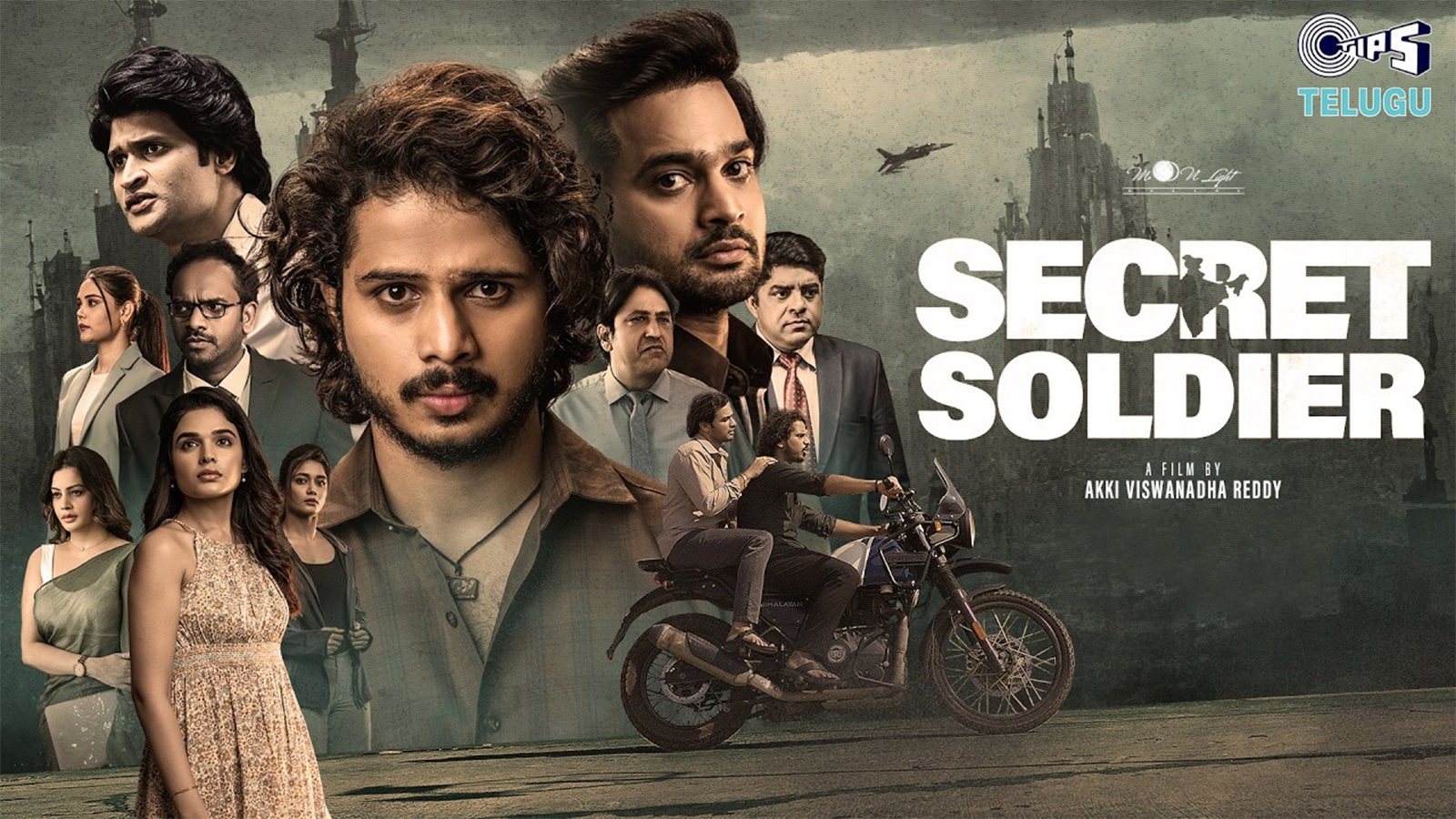
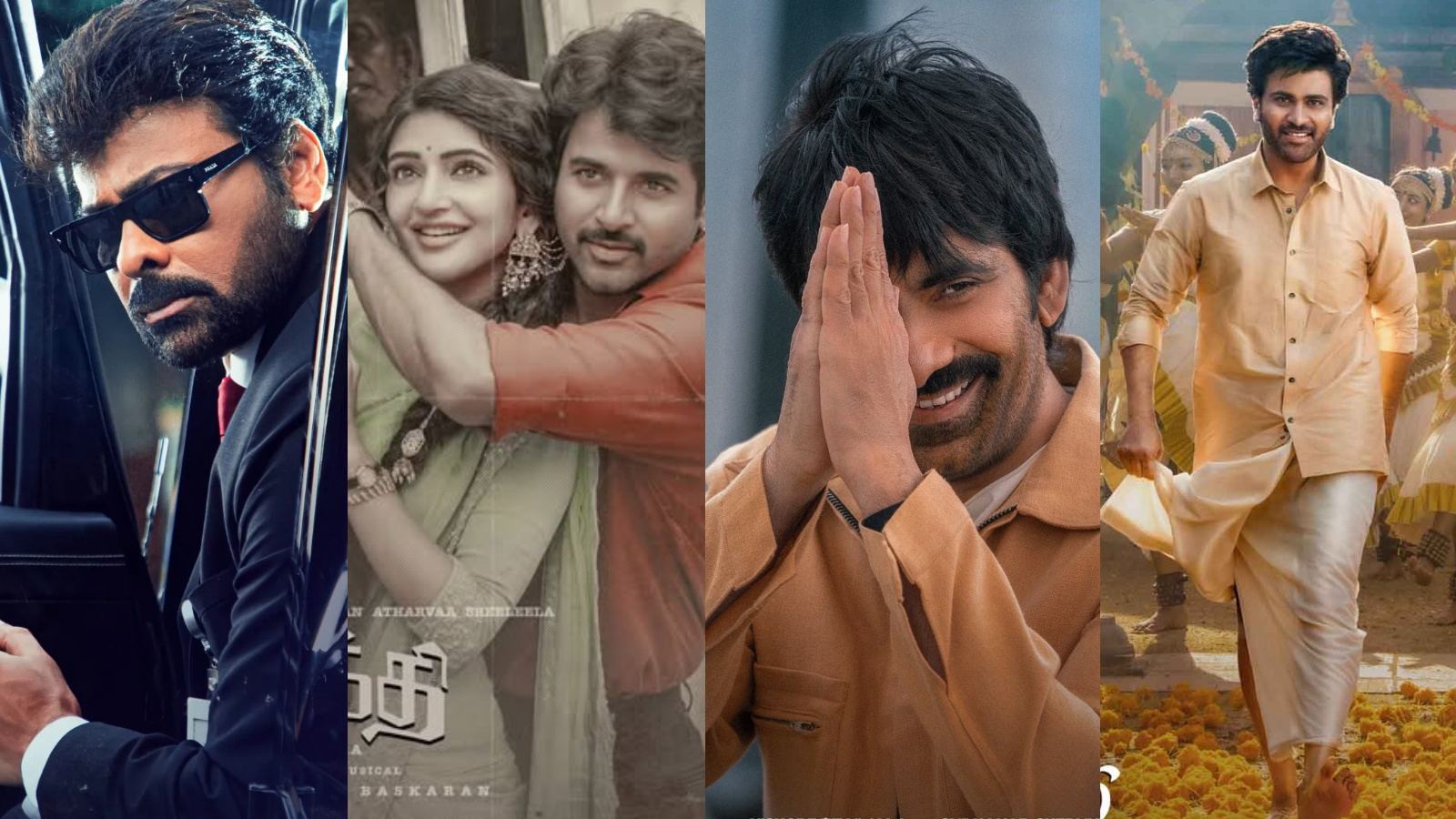
But this year, things look different and honestly a bit chaotic. Instead of three or four releases, seven films are lined up for Sankranthi. They are Raja Saab, Mana Shankar Prasad Garu, Bharta Mahashayulaki Vignapthi, Nari Nari Naduma Murari, Anaganaga Oka Raju, Parasakthi, and Jananayagan.
Big hero films naturally come with hype and premium ticket pricing. In multiplexes, a Sankranthi ticket may cost around Rs. 400. Watching three big films already crosses Rs. 1,200 per person. The remaining four films may average around Rs. 200 each, adding another Rs. 800. That means just movie tickets alone come to Rs. 2,000 per person.
For a family of four, that becomes Rs. 8,000. Once popcorn, drinks, nachos, samosas, and parking are added, the number easily touches Rs. 12,000 to Rs. 15,000.
The question is simple. Can the average middle-class moviegoer afford that?
Realistically, the audience may pick only two and skip the rest. When too many movies are released during the same festival weekend, only the strongest survive. This situation may hurt small and mid-range films the most, even if their content is good.
Ideally, Sankranthi works best with four major releases. That gives enough choice, enough screens, and enough breathing space. But with seven releases competing, theatre sharing will be messy, and collections may get divided.
Now, all eyes are on the audience. Will this Sankranthi become a celebration or a traffic jam at the box office?