BOTTOM LINE
Oldschool Gangster Saga Works in Parts
PLATFORM
SonyLIV
RUNTIME
6Hrs | 8 Episodes
What Is the Film About?
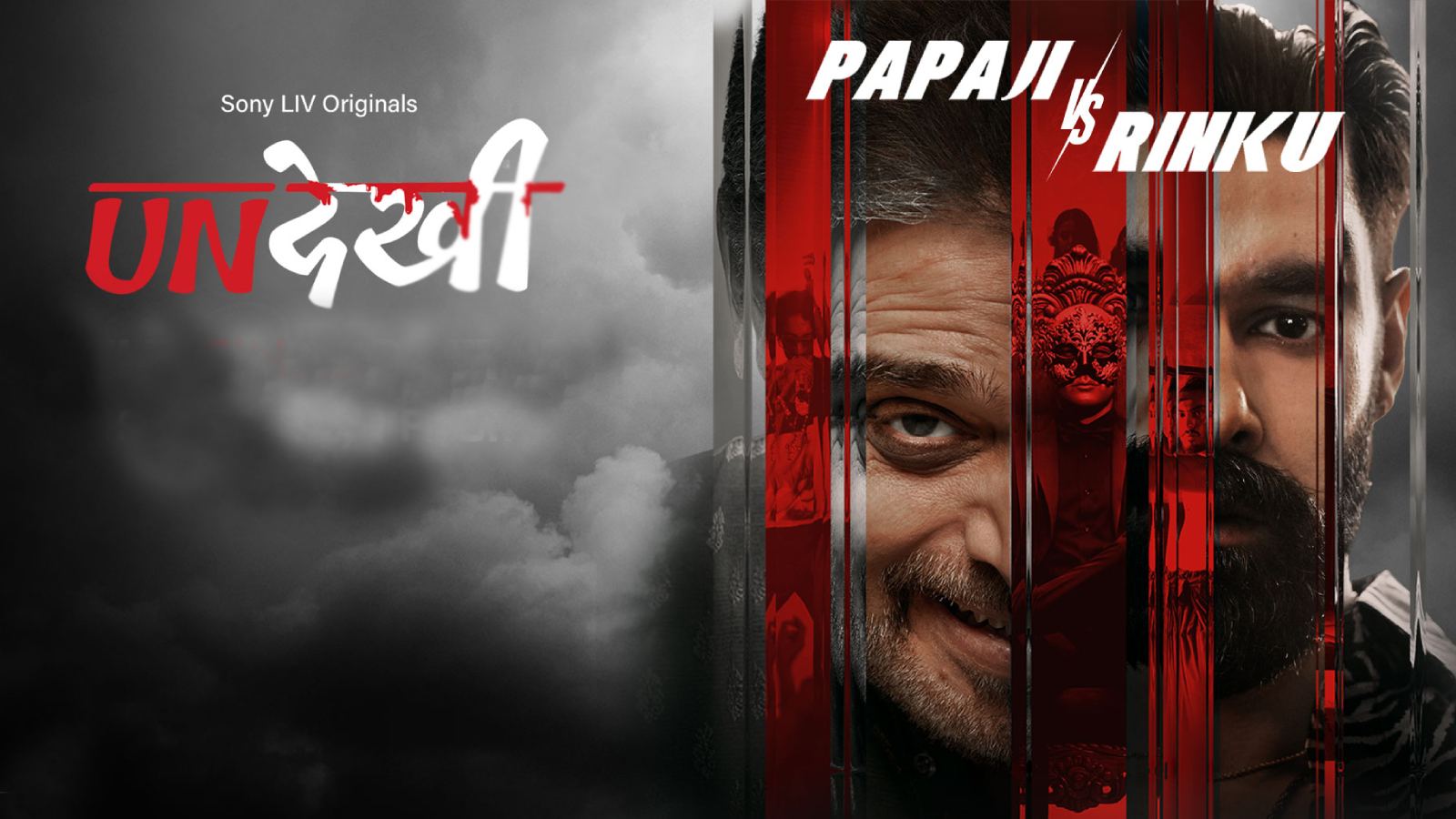
Five years after the turbulence within the family, the powerful Atwals are at war among themselves. Papaji, after his jail time, still tries to pull strings to keep his crown. Meanwhile, Rinku teams up with his real father, Mahinder, to take over the family business. As their crimes grow darker, DSP Ghosh returns for one last mission to solve the mounting mysteries.
Performances
The performances, just like the writing, are standard and basic. They work, but there is nothing special about them. Among the cast, Ankur Rathee’s acting style feels very modern compared to the rest. His expressions and responses are precise and stay true to the show’s world. Surya Sharma’s physique and personality make him an obvious choice to play Rinku, but the performance lacks vigour, which is partly due to the role itself.
Harsh Chhaya delivers a rather irritating, exaggerated portrayal of Surinder Singh, also known as Papaji. The dialogue delivery and body language feel extremely artificial and distract from what the character tries to say or do. Varun Badola delivers a neat performance, though it is far from memorable. Dibyendu Bhattacharya and Shivjyoti Rajput do their bit to make their presence felt in meaty roles.
Analysis
If one phrase could capture the essence of Undekhi, it is generational trauma. While set against a Godfather-esque mafia backdrop in Chandigarh, the narrative boils down to a bitter family feud where fathers and sons scramble for power. As equations shift and loyalties change, the series proves that no one is a saint. Their dilemma lies in choosing the lesser of two evils in a world defined by the grey zone.
Undekhi Season 4 picks up right after Papaji’s five-year prison term, when Rinku is hungry for revenge, staying by his biological father, Mahinder Singh’s camp. Meanwhile, Daman, Papaji’s son, is coping with the loss of Teji while raising Samaira. The plot thickens when Canadian music sensation Bobby Dhillon is shot during a concert in India.
In his hunt for the mastermind, DSP Ghosh and his team unmask a chilling human trafficking syndicate. While the story peels back its layers at a leisurely pace and the conflicts remain rather standard for the genre, the mounting tension and the slow-burn drama keep you glued to the screen. Thankfully, the wait pays off.
The show, true to the conventions of a staple gangster saga, continues to be a male bastion where women more or less remain victims. Both mafia barons, Papaji and Mahinder, are involved with the same woman at one point. Within the trafficking syndicate, a former victim is gaslit into serving her boss. Ultimately, both Daman and Rinku lose their love interests due to the relentless violence between the families.
The issue with the season is primarily the writing. It is keen to play it safe and is averse to risky creative choices. There is no subversion of tropes, the trajectories of characters remain predictable, and the storytelling tends to be too old-school to evince interest. The hyper-masculine men take themselves too seriously and indulge in violence to wield their influence; you are just too tired of their verbal diarrhoea.
Moreover, recent crime sagas have milked the trafficking mafia trope so heavily that these scenes feel like they are already in your muscle memory. What ultimately holds the show together is the family drama. Papaji, despite his many wrongs, puts family above all else; Daman remains the moral compass with a clear conscience; and Rinku serves as the typical gangster mard, speaking through blows more than words.
The see-saw between Mahinder and Papaji in the initial episodes, where Rinku is caught between the devil and the deep blue sea, is extremely weak in terms of execution. There is unnecessary dialogue-baazi; the subplots of the henchmen are too functional to care for. When DSP Ghosh starts taking a more active role in destroying the trafficking syndicate, the dots connect well, and you heave a sigh of relief.
It is understood that OTT is meant for layered narratives where every character gets its due, but the six-hour runtime feels hardly necessary for a story as generic as this. If not for the performances, action choreography, and the classy cinematography, it would have been harder to survive this onslaught. However, if you are a viewer who enjoys classic, old-world conflicts in gangster dramas, you may like it.
Music and Other Departments?
One of the reasons why the show remains fairly watchable, despite its issues, is the effort on the technical front. The music, by Collabstories Collective, is rarely intrusive and lets the narrative prod along smoothly without any bumps. The cinematography by Murzy Pagdiwala, who integrates the identity of the locations neatly into the story, deserves praise.
Action choreographer Abbas Ali Moghul also gives action junkies some reason to be excited. Though there is nothing out of the world with the staging, it brings some excitement to a rather sluggish show. The writing presents ample opportunities to flip norms, yet it is mostly averse to any drastic upgrades.
Highlights?
Neat execution
Family drama segments
The portions where the trafficking syndicate is busted
Drawbacks?
Too generic with its writing
Lacks strong, powerhouse performances
Did I Enjoy It?
Only in parts
Will You Recommend It?
If you like old-school gangster dramas, you may take a liking to it
Undekhi Season 4 Reviewed by M9 News