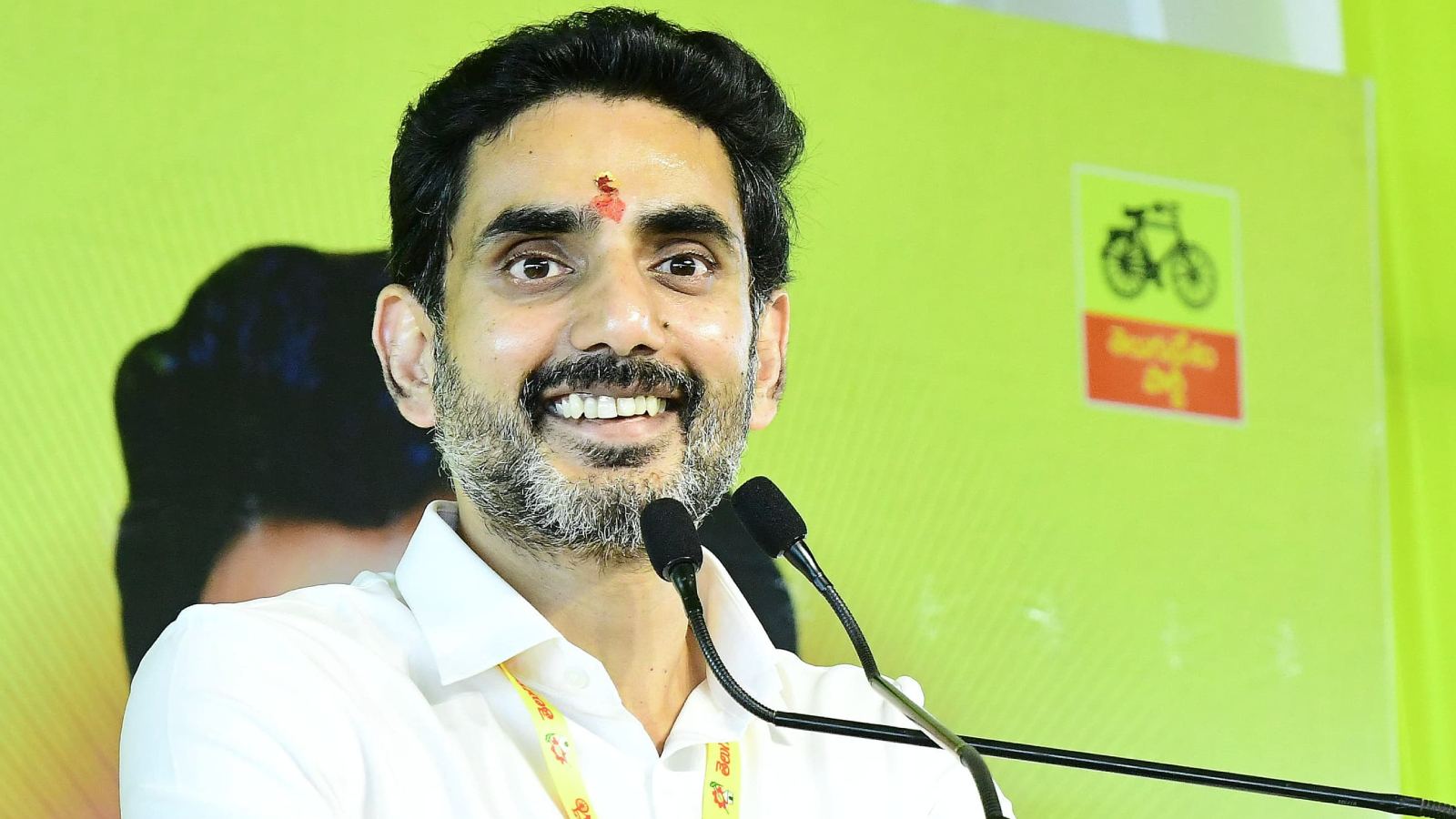
Nara Lokesh deciding to reduce his official convoy may look like a small administrative move on the surface, but politically it sends a much larger message.
Despite having Z-category security protection, Lokesh reportedly instructed officials to cut down his convoy strength by nearly half. His convoy is now expected to move with just two vehicles, even though protocol allows a much larger security arrangement.
The timing of the decision is important.
Fuel conservation has become a national discussion point after rising global tensions and energy concerns. Reports that Narendra Modi reduced his own convoy size triggered a wider political message around restraint and responsible public behavior.
Lokesh’s move appears to align with that same narrative:
leaders should also practice what they ask the public to follow.
But the larger story here is not really about fuel savings alone.
For years, large political convoys have often drawn criticism for traffic disruption, heavy security display and VIP culture. By voluntarily reducing convoy size despite security entitlement, Lokesh appears to be projecting a more controlled and accessible image.
That matters because he represents a younger political generation in Andhra Pradesh.
Interestingly, similar signals were reportedly visible at the CM camp office as well, where several ministers arrived without long escort movements or large convoy displays.
Whether smaller convoys create major fuel savings can be debated. Realistically, the impact may be limited.
But in politics, symbolism often matters as much as policy.
At a time when people are increasingly sensitive about government spending, fuel usage and political privilege, even small visible decisions can shape public perception.
And right now, the Andhra Pradesh government seems keen to project an image of restraint rather than extravagance.