

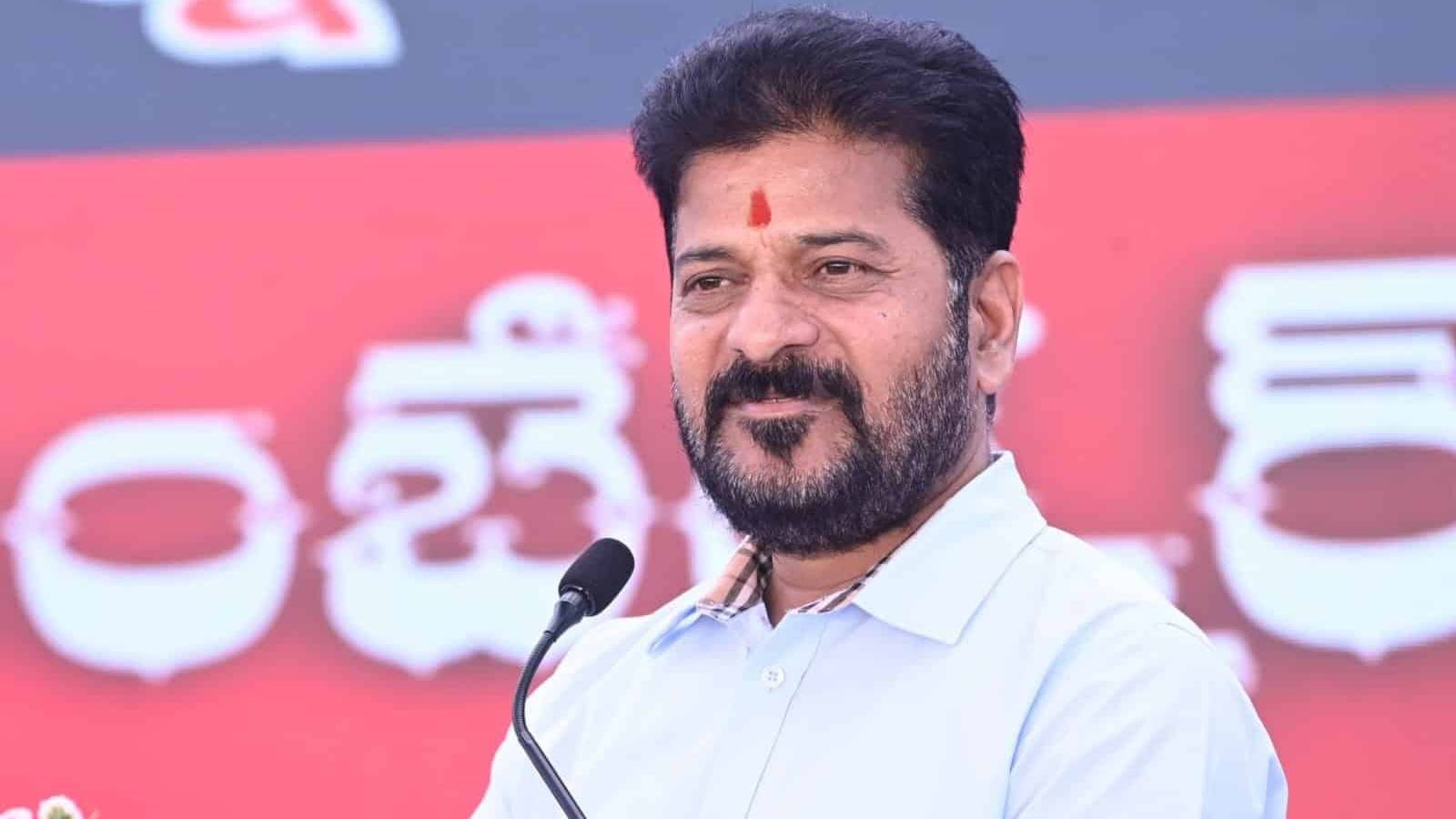
Telangana Chief Minister Revanth Reddy‘s decision to abolish the Intermediate Board and introduce the 10+2 education system from the 2027-28 academic year has opened a fresh debate over education policy. The objective is to reduce dropouts after Class 10 and bring Telangana’s education structure in line with CBSE and ICSE. But the announcement has raised several questions about implementation and the future of students.
The idea of reforming education is welcome. However, changing an established system requires more than government orders. Revanth Reddy’s government must learn from the controversy surrounding Jagan Mohan Reddy’s English-medium policy in Andhra Pradesh.
Jagan’s English-Medium Decision: A Lesson for Revanth
During his tenure, Jagan Mohan Reddy announced English as the medium of instruction in government schools across Andhra Pradesh. Although the objective was to improve English proficiency among government school students, the decision faced legal challenges. In April 2020, the Andhra Pradesh High Court set aside the government’s orders. The state subsequently approached the Supreme Court.
The controversy highlighted the importance of proper consultation, legal preparation and a clear implementation framework before introducing sweeping education changes. Revanth Reddy should avoid a similar situation.
Infrastructure and Faculty Remain Major Challenges
Telangana‘s government schools need additional classrooms, science laboratories, libraries and qualified teachers to accommodate Classes 11 and 12. Existing government junior colleges are already facing lecturer shortages.
The government must also clarify the future of junior lecturers, their service conditions and administrative control after the proposed merger. Thousands of private junior colleges need clarity on their recognition and future operations. These are not minor administrative details. They determine whether the reform can actually work.
Students Cannot Be Left in Confusion
The biggest concern is the uncertainty surrounding students’ academic futures. There has already been discussion at the national level about giving Class 12 board marks up to 50 per cent weightage in NEET and JEE admissions. That proposal was under consideration and was not a finalised admission rule.
Now Telangana is planning to change its entire Intermediate structure. Students and parents need clear answers about the syllabus, examination pattern, evaluation system and competitive examination eligibility. A student entering Class 11 should not have to worry about whether the rules will change before completing Class 12. Education policy must provide stability rather than create anxiety.
Announcements Are Not Education Reforms
Revanth Reddy’s government must consult education experts, teachers, lecturers and private institutions before proceeding. Infrastructure requirements, recruitment policies, legal provisions and academic guidelines must be finalised well in advance.
Jagan’s English-medium controversy showed how a major education initiative can run into legal and implementation problems when the groundwork is contested. Telangana should not repeat those mistakes.
Politicians and the legal system must work towards a clear and stable education framework. If changes are necessary, they should be properly examined and communicated before implementation.
Revanth Reddy must get the policy right before putting an entire generation through another experiment.