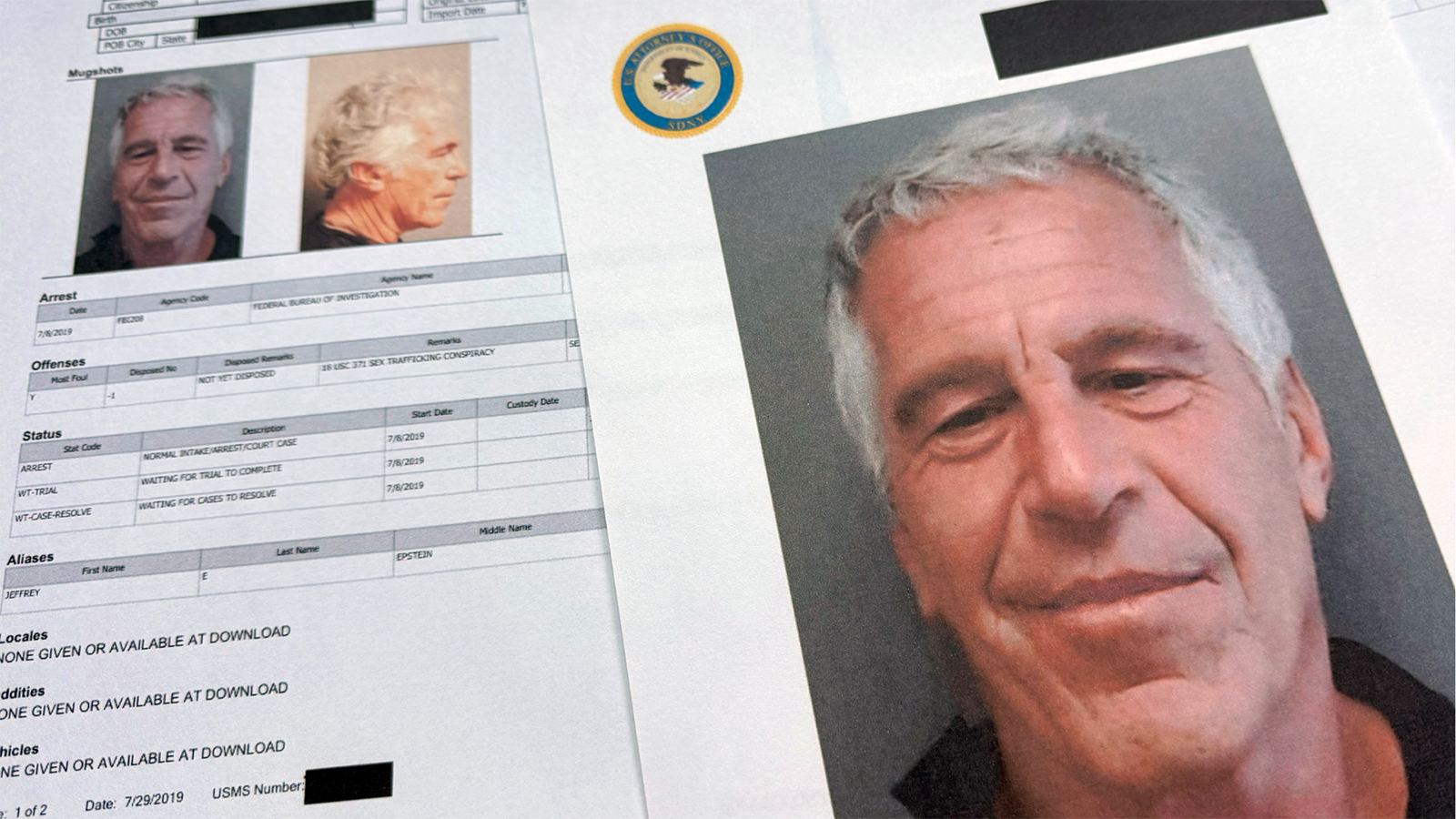
The renewed release of the Epstein files has once again sparked global attention, raising uncomfortable questions about power, privilege, and accountability. The documents have resurfaced long-standing concerns linked to Jeffrey Epstein’s social circle and alleged crimes.
Indian filmmaker Mira Nair has reportedly been named in the files in connection with a 2009 afterparty at the New York residence of Ghislaine Maxwell. Maxwell was later convicted for her role in Jeffrey Epstein’s sex-trafficking operation. There is no allegation of criminal wrongdoing against Mira Nair.
Her mention has nevertheless triggered debate and highlighted the global scale of Epstein’s elite connections. The discussion has gradually moved beyond personal scandals to focus on deeper issues tied to abuse and systemic silence.
Public concern now centres on repeated allegations of sexual exploitation of minors. Many find it disturbing that powerful individuals allegedly operated for decades without facing consequences.
Documents released by the US Department of Justice suggest Jeffrey Epstein placed himself at the centre of a vast network. This network allegedly included politicians, billionaires, royalty, and influential public figures across countries.
Testimonies and records mention figures ranging from former US presidents to business leaders like Bill Gates and Prince Andrew. These references do not imply convictions and remain allegations that require legal scrutiny rather than public judgement.
Some claims remain especially controversial, including Epstein’s assertion that Bill Gates requested antibiotics for personal reasons involving Russian women. These allegations remain unverified but underline how secrecy and influence allegedly shaped Epstein’s dealings.
At the heart of the case are the victims. Children and young girls were allegedly exploited while systems meant to protect them failed repeatedly. Epstein’s death in jail denied survivors full judicial closure and left lasting questions about accountability.