

The ongoing conflict between Tollywood producers and exhibitors is now visibly moving beyond business disagreements and turning into a full-blown public ego clash. What originally began as a serious discussion about percentage-sharing systems, theatre rentals, and the struggles faced by single-screens has now transformed into a heated exchange filled with sarcasm, indirect attacks, and personal comments.
The latest phase of the controversy started after exhibitors recently conducted a press meet explaining why they were demanding a shift toward percentage-based revenue sharing.
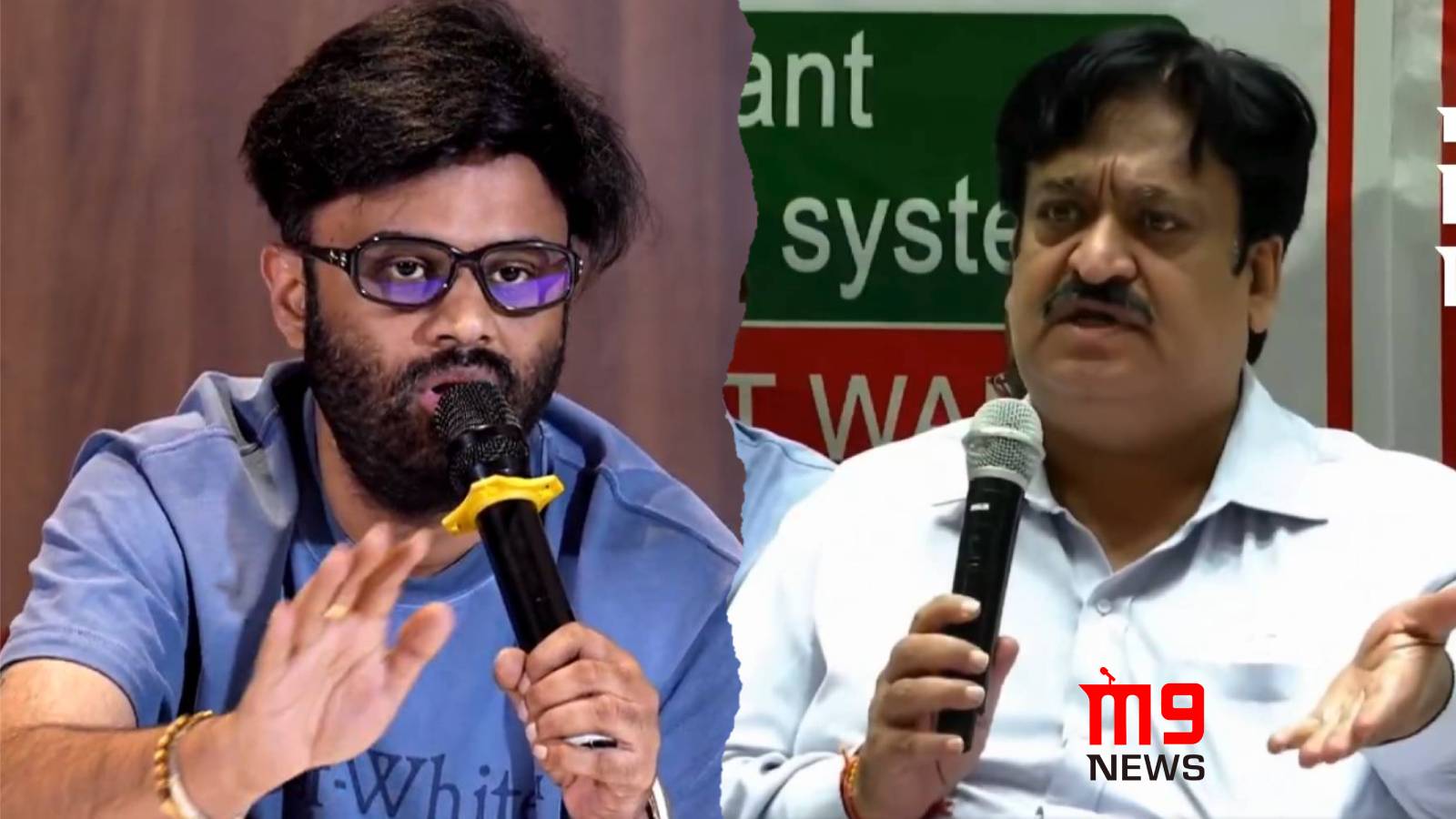
Within a day, active producers organized a counter press meet to respond to those arguments. The spotlight unexpectedly shifted toward Suniel Narang, one of the most influential exhibitors and the head of Asian Cinemas.
Producer Naga Vamsi indirectly mocked Suniel Narang by saying it looked “funny” to hear a major multiplex owner speaking emotionally about saving single-screen theatres. Soon after, Ravi Shankar from Mythri Movie Makers intensified the attack further with sarcasm, saying, “That Seth Ji is building multiplexes everywhere and now suddenly talks about protecting single screens.”
Those comments quickly spread across Tollywood circles and social media, becoming one of the industry’s biggest discussion points.
Now, Suniel Narang has publicly responded, and his counterattack has escalated the situation even further.
While speaking to the media, Suniel sarcastically referred to Naga Vamsi by saying, “What is his name? That fellow wearing glasses and duplicate hair… snake… sorry, Naga Vamsi.” His remarks immediately triggered another wave of reactions online, especially because the response included personal comments and apparent body-shaming.
Several trade analysts and insiders feel the original issue is slowly getting buried beneath personal rivalries and public one-upmanship. Instead of constructive discussions about how to improve theatrical business, the debate now appears to be revolving around insults, sarcasm, and image battles between influential industry figures.
Many within Tollywood are questioning whether this kind of public confrontation helps an industry already struggling with weak footfalls, inconsistent releases, and financial pressure on theatres.
What makes the situation more concerning is the timing itself. Telugu cinema is currently facing one of its toughest theatrical phases in recent years, with exhibitors and producers both complaining about falling revenues and audience decline. Under such circumstances, many expected unity and collaborative problem-solving from industry leaders.
There are many problems in Bollywood as well, but very rarely do producers and exhibitors come out publicly and wash their dirty linen in front of everyone. People from other industries may even be laughing at Tollywood, which often claims it can rival Bollywood in terms of potential and box-office strength. Incidents like these only risk making the industry look unprofessional. Bollywood circles must be laughing see the ugly fight and body shaming going on in Tollywood. Public shaming through press meets creates poor optics and turns serious internal issues into public entertainment. Whatever the disagreements may be, many feel such matters are better resolved internally rather than through media wars.