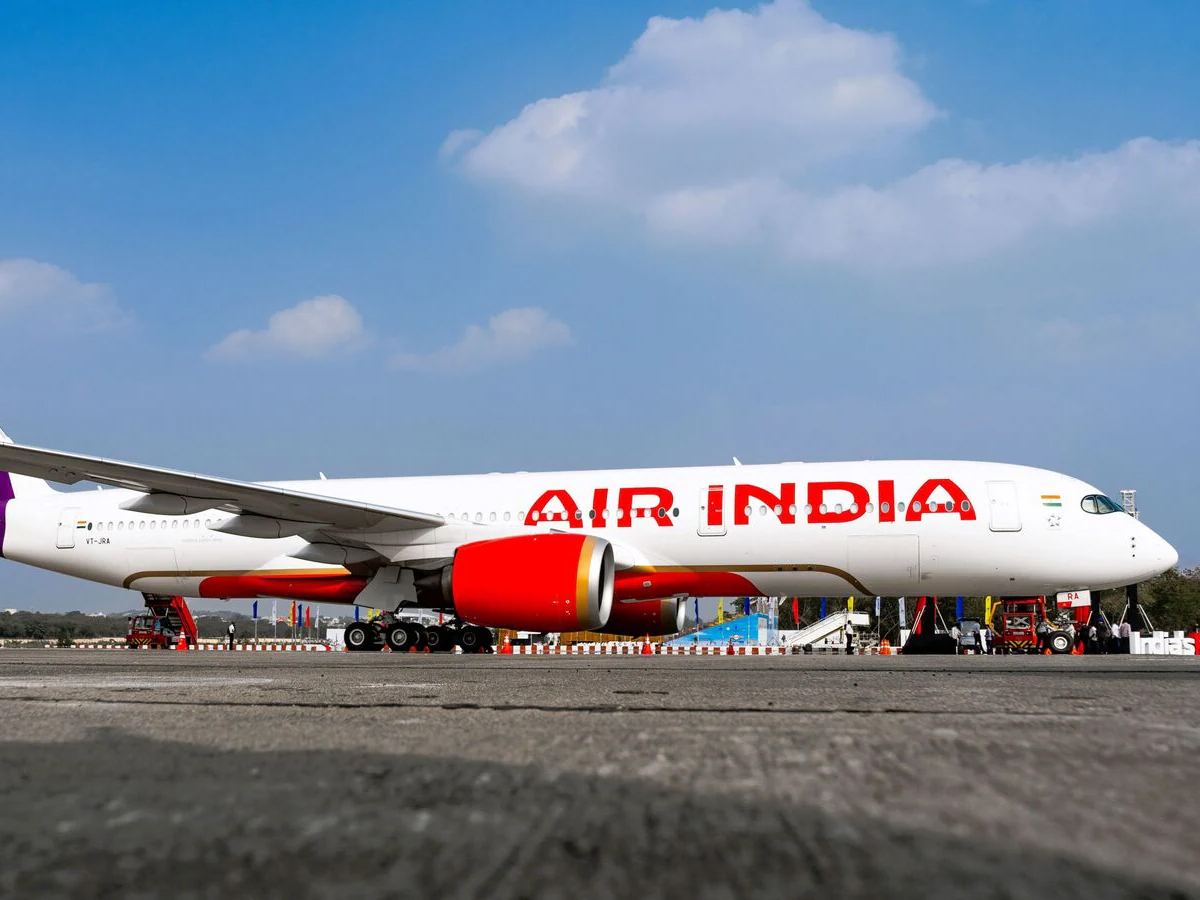
Air India is once again under fire after Flight AI2403, operating from Delhi to Kolkata, was forced to abort takeoff at a high speed of 155 km/h on July 21, 2025. The pilots detected a technical fault during acceleration, prompting an emergency braking maneuver. Passengers were safely evacuated, but the incident has added to mounting concerns over the airline’s operational safety.
This was not the only mishap involving Air India that day. Earlier, a flight arriving in Mumbai from Kochi veered off a rain-soaked runway, damaging an engine and surrounding infrastructure. Although no injuries were reported, both incidents reflect a disturbing pattern.
Over the past six months, India’s Civil Aviation Ministry has issued nine show cause notices to Air India over five separate safety violations. Following a fatal crash in Ahmedabad involving a Boeing 787, the DGCA ordered inspections of Air India’s 787 fleet. Minor issues were found in eight out of 31 aircraft checked.
Despite repeated government assurances that no adverse safety trends exist, the pattern tells a different story. Air India’s management has offered apologies and standard statements emphasizing passenger safety, but these responses increasingly ring hollow. Passengers are growing wary, and regulatory confidence appears fragile.
High-speed aborted takeoffs are rare and usually signal serious mechanical or procedural failures. The fact that two separate incidents occurred within such a short period of time, demands accountability. Air India’s continued expansion efforts, including its merger with Vistara, mean little if the airline cannot maintain fundamental safety standards.
For an airline positioning itself as a global leader, recurring technical failures, rushed responses, and regulatory warnings point to deeper issues that can no longer be ignored.