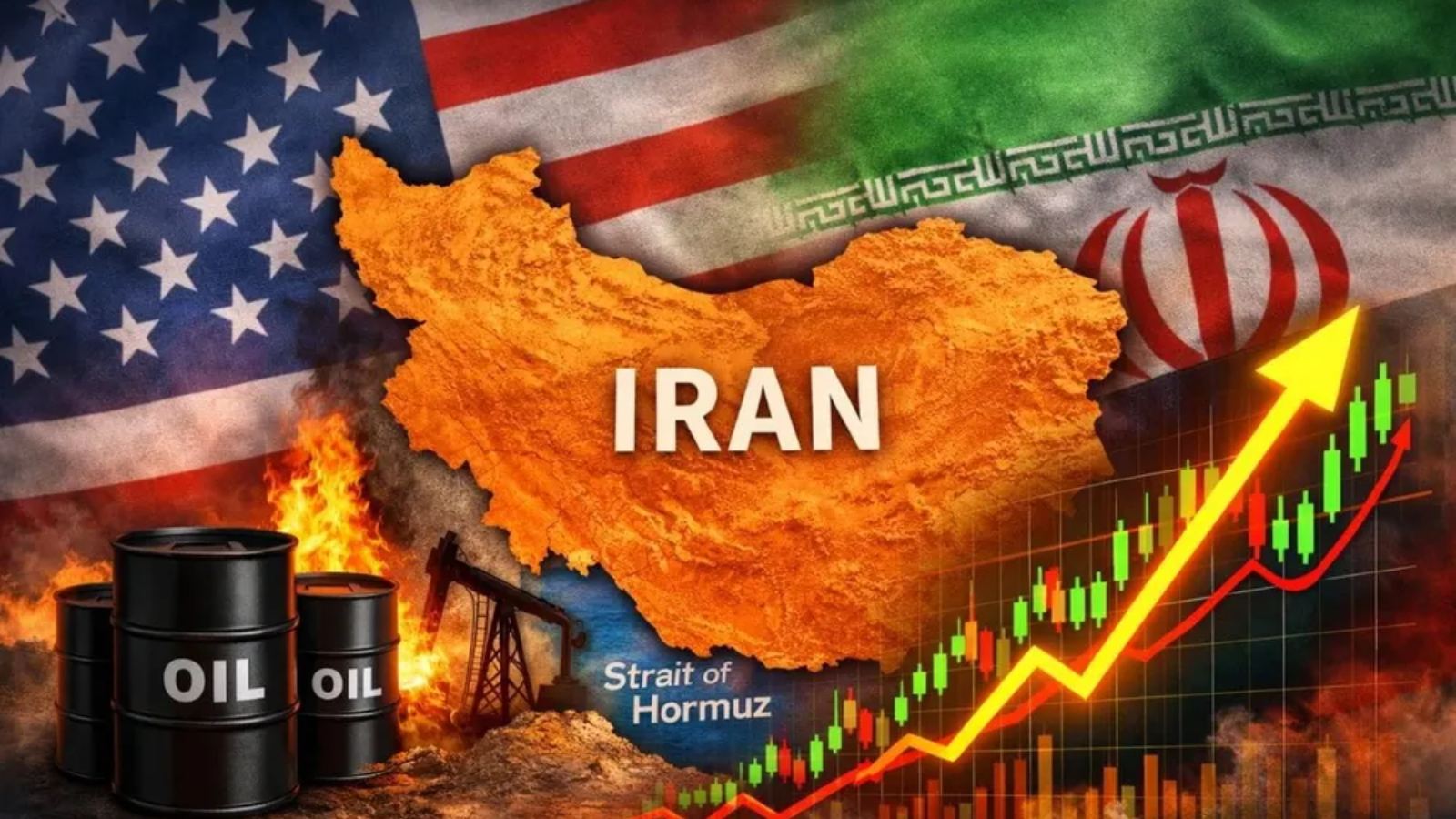
In a major development during the ongoing conflict, United States has temporarily eased sanctions on Iranian oil already at sea. However, Iran has rejected the move, stating it has no extra supply for global markets.
On Friday, US Treasury Secretary Scott Bessent announced a 30-day waiver. The plan aimed to allow the sale of nearly 140 million barrels of Iranian oil stuck near the Strait of Hormuz.
The move was intended to ease pressure caused by rising oil prices. The ongoing conflict has disrupted supply chains and pushed global markets into uncertainty.
However, Iran’s Oil Ministry responded quickly. Officials stated that there is no surplus crude available for export. They also described the US move as an attempt to create false expectations among buyers.
The situation has further complicated global energy concerns. Tensions in the Strait of Hormuz remain high, with a significant share of global oil trade passing through the route.
Reports also point to strikes affecting energy infrastructure in the region. Incidents involving facilities in Kuwait have added to fears of long-term disruption.
Nearly 20 percent of global oil supply moves through the Strait of Hormuz. Any instability in this region can have wide-reaching consequences for international markets.
While the US waiver may offer short-term relief, it does not address the larger crisis. The ongoing conflict continues to threaten key energy hubs and global supply chains.
With uncertainty still high, the coming weeks will be critical. The situation remains volatile, with potential long-term effects on the global economy.