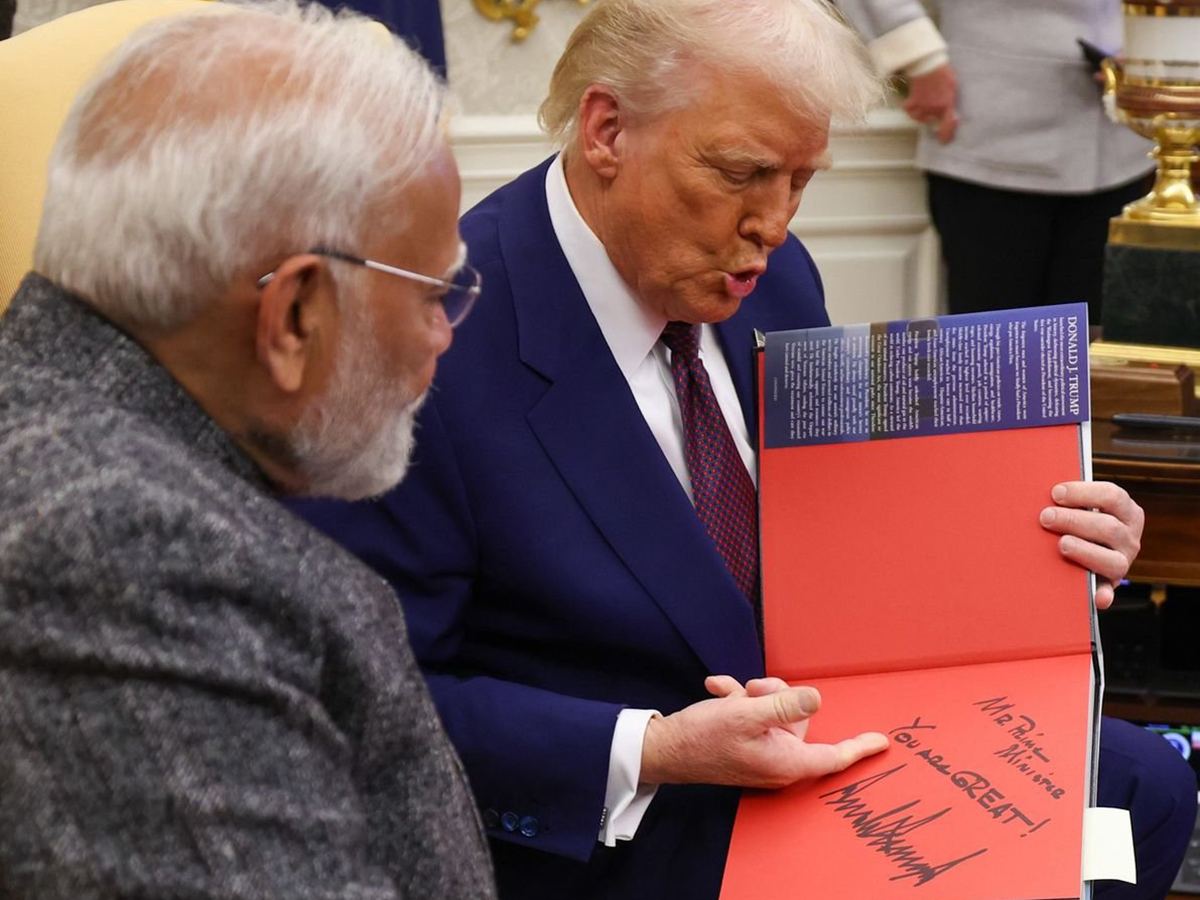
After his meeting with PM Modi, Donald Trump made his intentions clear of imposing the reciprocal tax, meaning if India charges high taxes on US goods, the US will do the same. However, this retaliatory move might not work as planned.
According to the Global Trade Research Initiative (GTRI), both countries trade totally different things which makes it hard to impose these reciprocal tariffs fairly. The experts say that 75% of US exports to India already face low tariffs of under 5%.
Moreover, India is already paying heavy taxes on key exports like textiles, garments, and footwear with duties as high as 35%. So, if the US government thinks it’s leveling the playing field, it might actually be reinforcing an imbalance.
After the two leaders met, it was also disclosed that India would buy more oil, gas, and military hardware from the US to cut the trade deficit. Trump also hinted at a trade deal between the two countries but the details are still uncertain.
Adding to the confusion, the US hasn’t made it clear that this reciprocal tax would be on specific products or entire industries. While the India-US trade relations have been booming in recent years, if these changes mess things up, China could end up as the winner in the trade wars.